
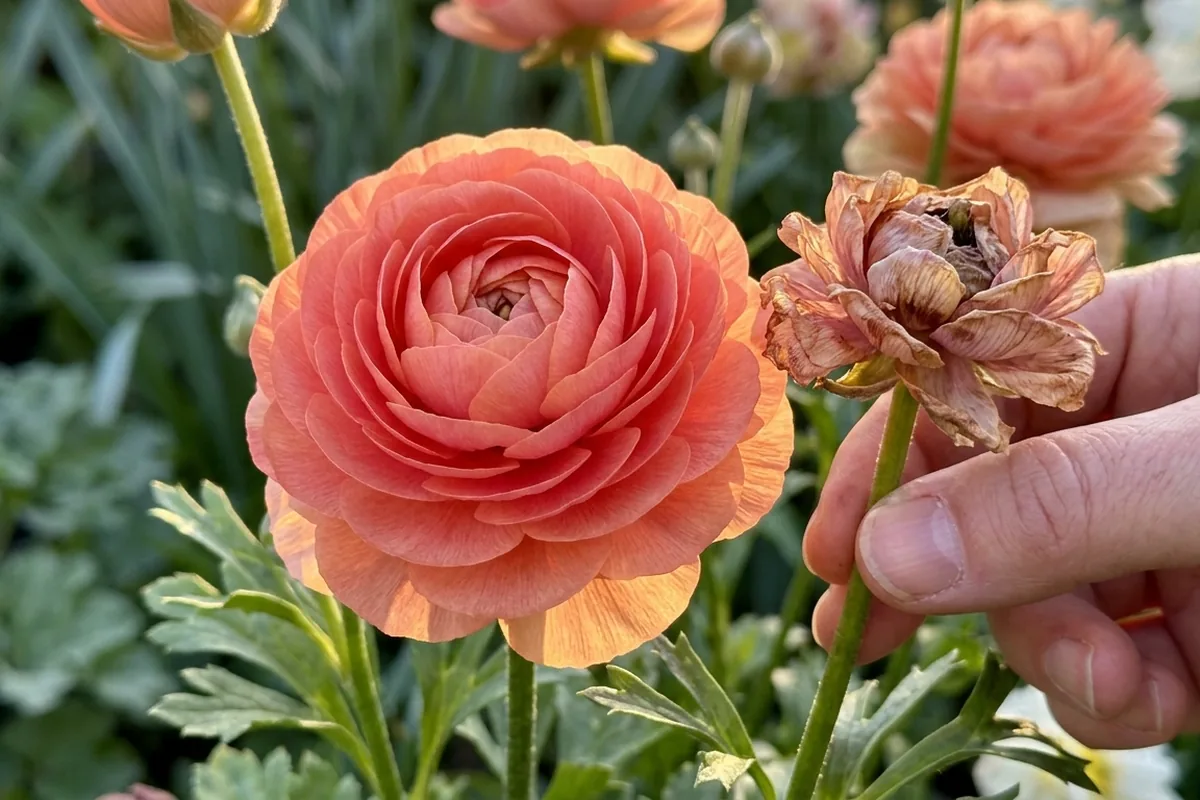
The secret with ranunculus is matching their love of cool, bright conditions to our stop‑start British seasons. If you’ve planted those knobbly little corms and ended up with a few weak stems instead of tight, rose-like flowers, you’re not alone. The good news is that with the right timing, depth and watering, they can be generous, long-flowering plants here.
Getting the timing, position and planting right
Ranunculus are cool-season bloomers. In much of the UK they do best as spring-planted corms for late spring to early summer flowers.
- In mild, well-drained gardens (especially in the south), plant corms outdoors from March–April.
- In colder or wetter areas, start them in pots under cover (unheated greenhouse, cold frame, bright porch) and plant out once frosts ease.
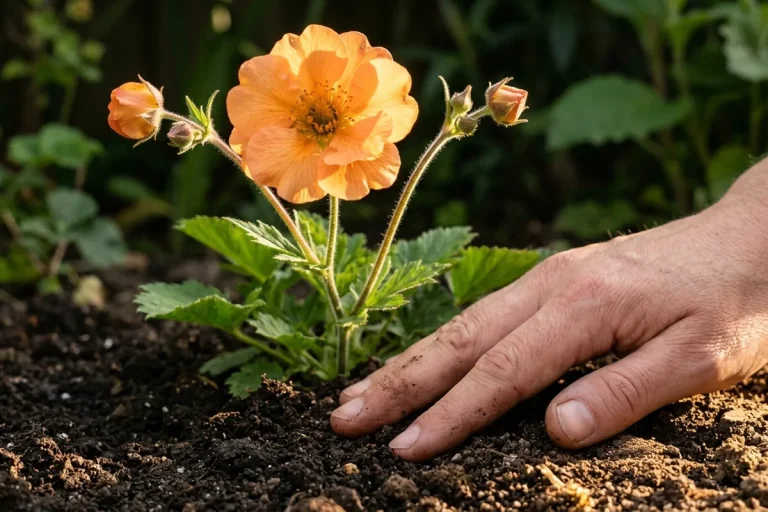
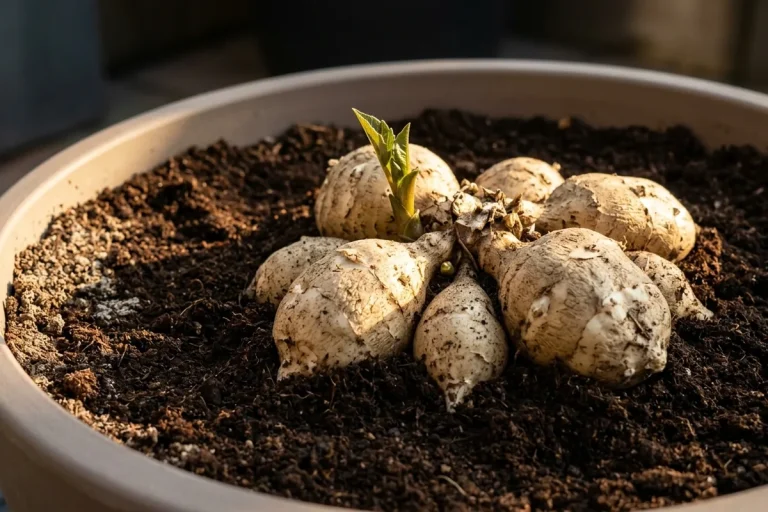
Before planting, soak the corms in lukewarm water for 2–3 hours so they plump up, then dry on kitchen paper. Plant with the “claws” pointing down, about 5–7 cm deep and 10–15 cm apart. If you can see the top of the corm after planting, it’s too shallow.
Choose full sun or very light shade, and above all free-draining soil. Heavy clay needs help: dig in sharp sand and garden compost, or grow in deep pots with a peat-free, free-draining mix. If the top looks dry but feels clammy 3–4 cm down, wait; ranunculus dislike sitting in cold, wet compost.
Watering, feeding and keeping plants healthy
Once planted, water well to settle the soil, then hold back until shoots appear. This is the point where many people keep watering and the corms rot quietly underground.
After growth starts:
- Water thoroughly, but not often – let the top few centimetres dry before watering again.
- Avoid saucers full of water the next morning; tip them out.
- In pots, a bright, breezy patio will help stop mould on leaves in a damp spring.
Feed with a balanced liquid fertiliser every 2–3 weeks once buds appear, following the label. Too much nitrogen can give lush foliage and fewer flowers, so do not overdo it.
If stems flop, it’s often wind or shallow planting rather than disease. A few discreet canes and soft ties, or a low support ring, will keep the blooms upright for cutting.
After flowering and saving corms
Ranunculus are not always long-lived perennials in the UK, especially in cold, wet soils, but you can often treat them like tulips: enjoy, then replant fresh each year. For those who like to save corms:
- Deadhead spent flowers to keep plants blooming as long as possible.
- When flowering finishes, let foliage yellow and die back naturally; this feeds the corm.
- In very well-drained, sheltered beds you can leave them in the ground and mulch lightly.
- In wetter or colder gardens, lift the corms once the leaves are dry, brush off soil and store somewhere cool, dry and frost-free until next spring.
If your ranunculus have struggled before, start with a few corms in pots this year. You’ll see exactly how the compost is behaving, and that quick finger check below the surface will tell you far more than the top crust of soil.
Reader note
The Flower Expert is an independent gardening publication. Your support helps us keep creating practical plant care guides for everyday UK readers.
This article was created with the assistance of AI and reviewed by an editor. It is intended as general gardening information, not personalised professional advice.
If you still have a question, or if something looks unclear or inaccurate, you can contact us through our contact form.
If you found this article helpful, please consider sharing it on social media or leaving a comment below with your own experience. It helps other readers too.