
When the forecast promises days of rain and strong winds just as everything is putting on soft new growth, a bit of calm preparation can save a lot of damage. If you’ve got tall tulips, freshly planted bedding, pots on a balcony or tender plants waiting to go out, this is the moment to act.
The key jobs to do before the weather turns
Think in three areas: secure, protect, delay.
- Secure loose things:
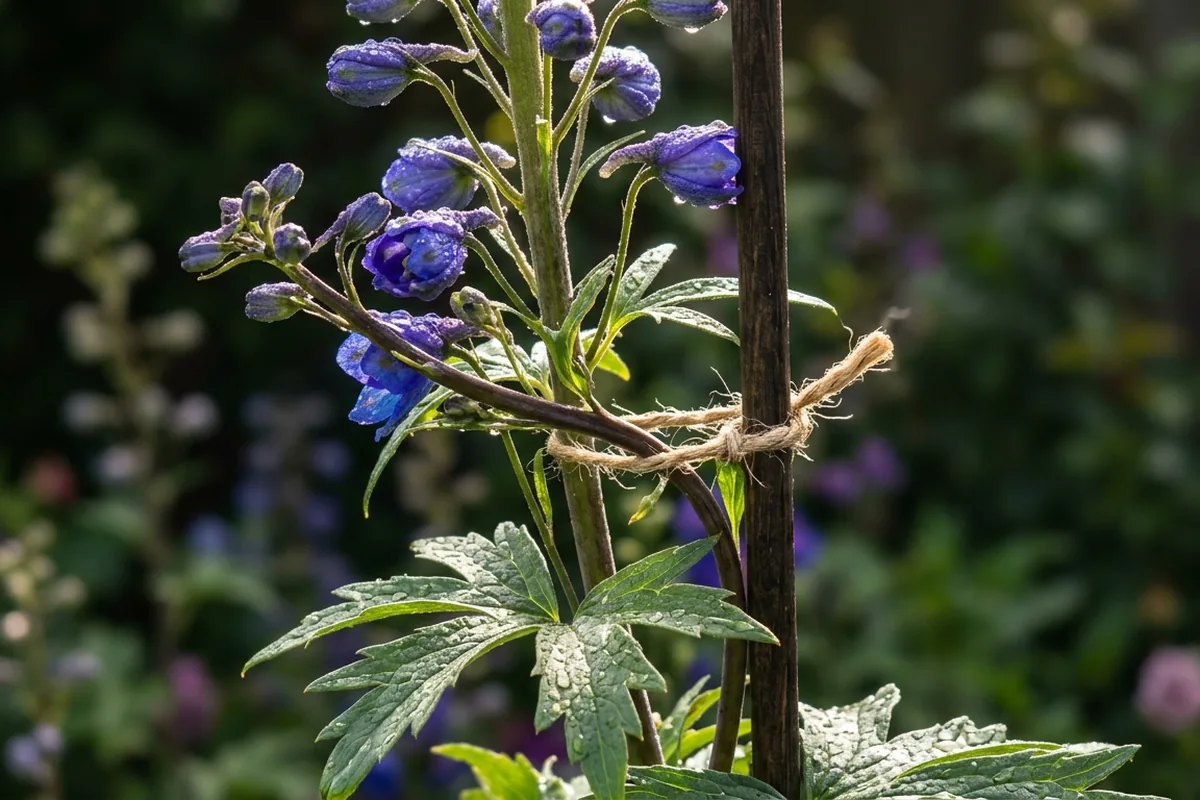
- Push canes deeper in around sweet peas, delphiniums, foxgloves and peas.
- Tie in climbers with soft ties so stems do not whip about.
- Check obelisks, wigwams and newly erected arches; firm them into the soil again.
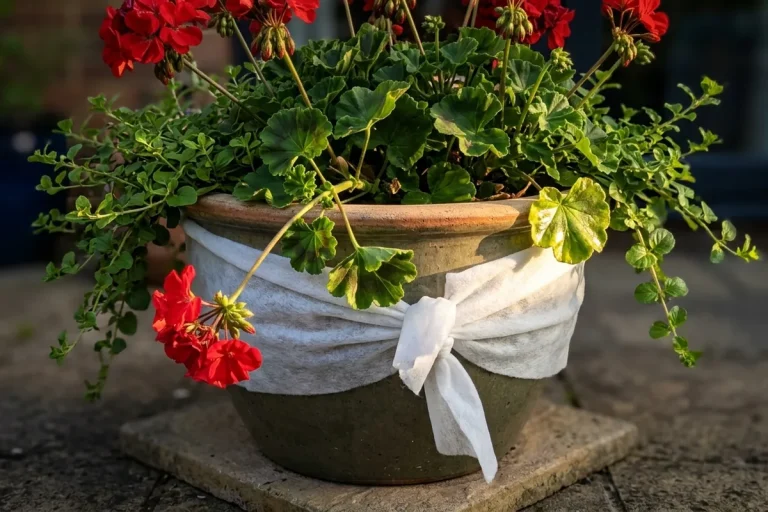
- Move lightweight patio pots that might blow over against a wall or into a sheltered corner.
- Protect soft growth and flowers:
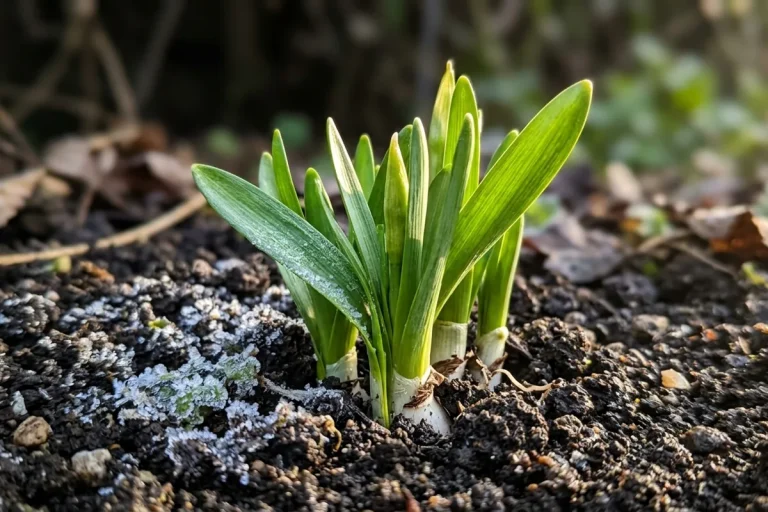
- For tall tulips, alliums and bearded irises, add a discreet ring support or a single cane and soft tie.
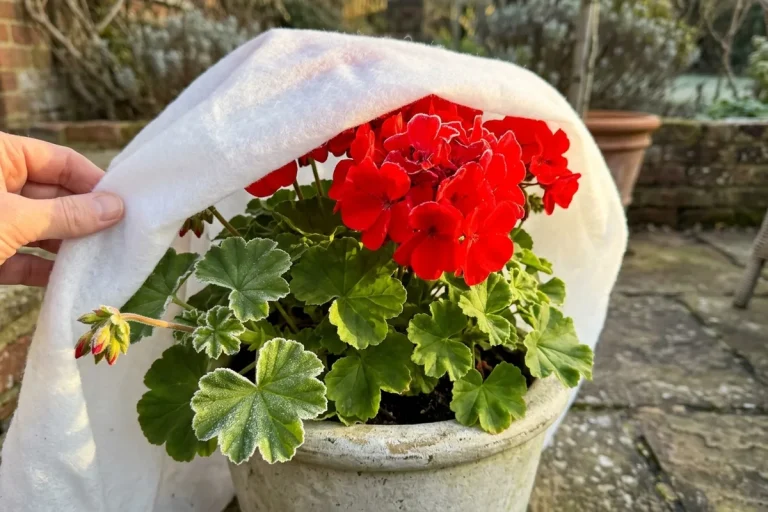
- Net or fleece newly planted veg like runner beans, sweetcorn and brassicas if they’re in a windy spot.
- In very exposed gardens, a temporary windbreak (an old mesh panel, a bit of reed screen) on the windward side of a border can make a big difference.
- Delay what will sulk in cold, wet soil:
- Hold off planting tender bedding (petunias, begonias, busy Lizzies) and half-hardy veg (courgettes, French beans) until after the bad spell. They sit and shiver rather than grow.
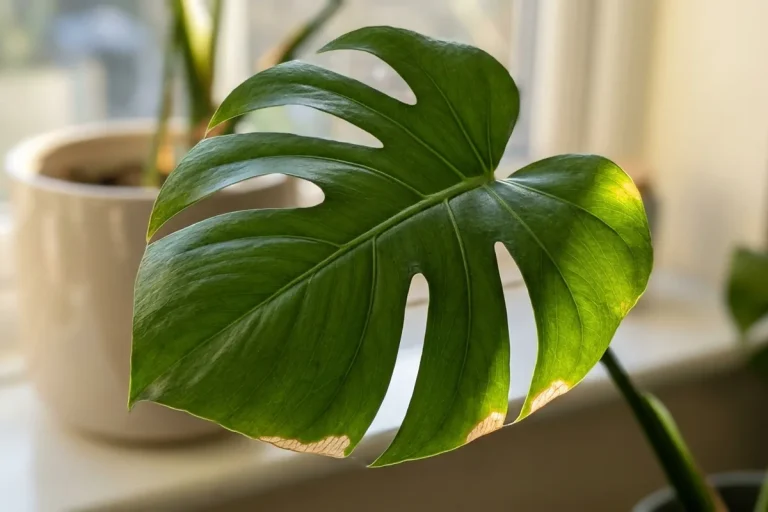
- Keep young plants in a cold frame, porch or bright windowsill instead. Crack the window for air on milder days.
If a pot is already leaning, or a stem is bowing after the last windy day, stake that first – it is the one most likely to snap.
Looking after pots, compost and drainage
Wet and wind together are hard on containers. The wind strips moisture, the rain then soaks the compost, and roots can still end up stressed.
Before the weekend:
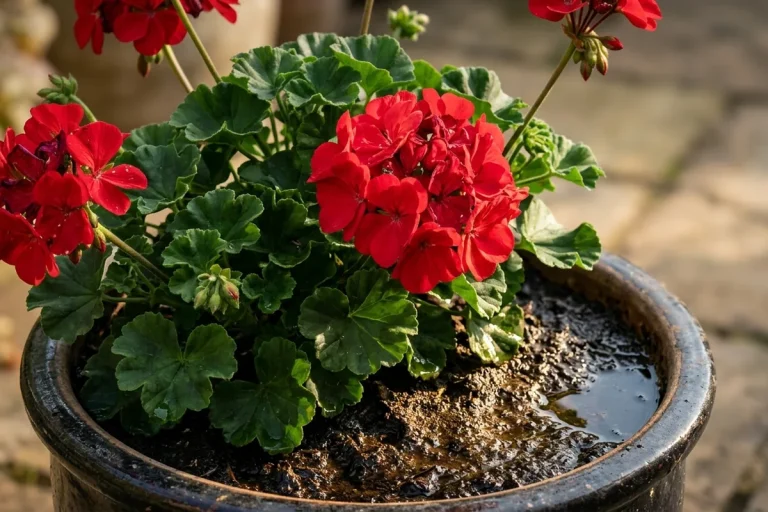
- Check drainage holes on pots and troughs are clear. If a saucer is still holding water the next morning, tip it away.
- Top-dress with fresh compost or bark on very light, peaty mixes to help stop them drying out so fast in the wind.
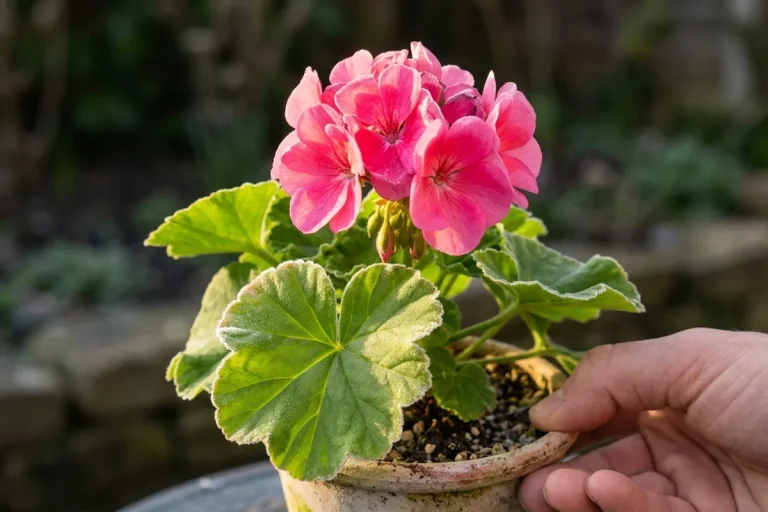
- Move small pots off exposed railings or a balcony edge; tucking them closer to the wall keeps them both warmer and steadier.
- If you’ve just fed pots, there’s no need to feed again before the rain. Heavy rain can leach nutrients, but piling on extra fertiliser now risks scorching roots once it dries. Wait and reassess after.
Before you water anything, lift the pot. If it already feels surprisingly heavy, let the rain do the work. This is the point where many people water again “just in case” and end up with soggy, airless compost.
Greenhouses, lawns and borders: quick checks that help
In a greenhouse or small polytunnel, prop the door or vent slightly ahead of the storm so you can leave it safely closed when the wind hits. Good air movement helps prevent grey mould when everything stays damp for days.
On borders:
- Firm in any plants that rock when you gently push them; wind can loosen new root balls in May’s still-cool soil.
- Check that mulch is not heaped against stems. In very wet spells, bark or compost right up the stem can encourage rot.
On lawns, avoid mowing just before heavy rain if the ground is already soft. Freshly scalped grass on wet soil is easily churned up by feet and pets; wait for a drier window.
If the forecast is truly wild, bring in hanging baskets and the most precious pots for 48 hours. A basket that has spun round all weekend in a gale often looks worse than one that was kept a bit dry indoors.
Once you’ve done these small, focused jobs, you can let the weather get on with it. Pick one area – pots, borders or climbers – and give it ten minutes now; your garden will bounce back faster when the sun returns.
Reader note
The Flower Expert is an independent gardening publication. Your support helps us keep creating practical plant care guides for everyday UK readers.
This article was created with the assistance of AI and reviewed by an editor. It is intended as general gardening information, not personalised professional advice.
If you still have a question, or if something looks unclear or inaccurate, you can contact us through our contact form.
If you found this article helpful, please consider sharing it on social media or leaving a comment below with your own experience. It helps other readers too.