
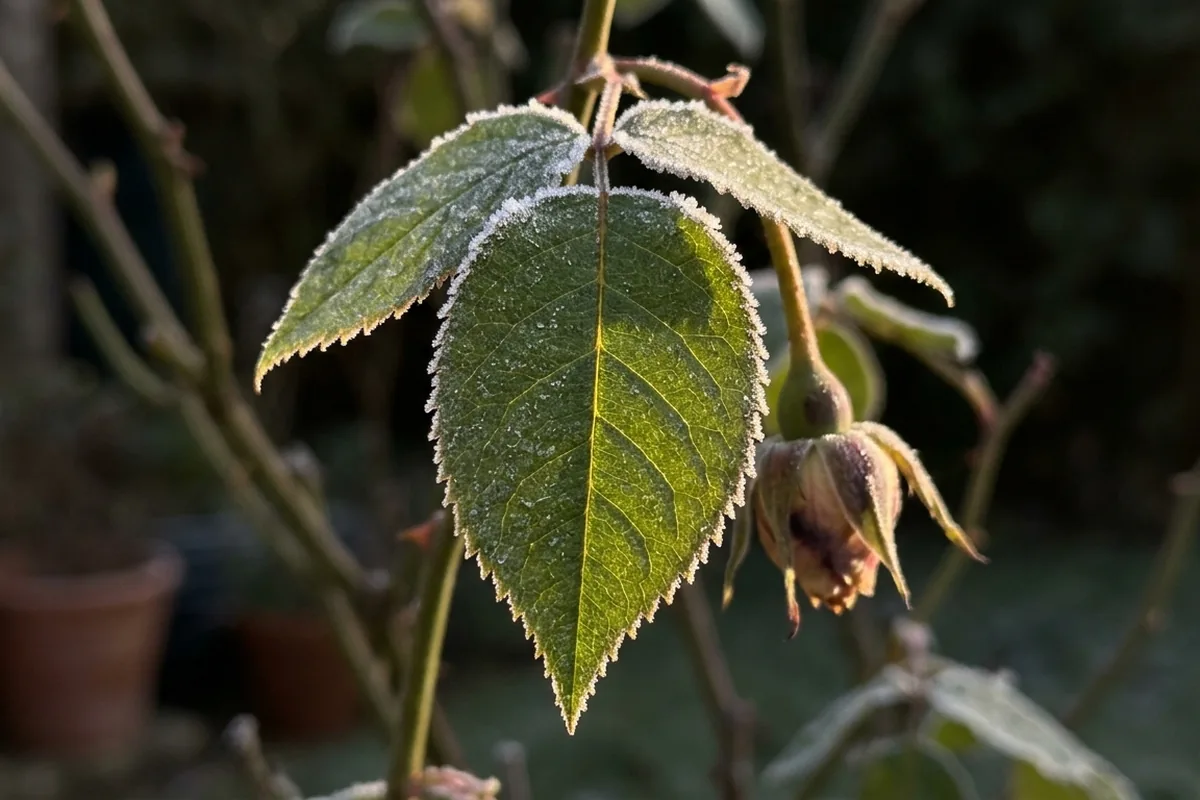
The damage from cold often appears a day or two after the frost, not on the morning itself. If you’ve walked out and seen floppy leaves, blackened tips or collapsed stems, this is the moment to look closely before you start cutting, feeding or replanting.
The first quick checks to make
Start with a simple circuit of the garden. You’re looking for things that need immediate attention, not long-term tidying.
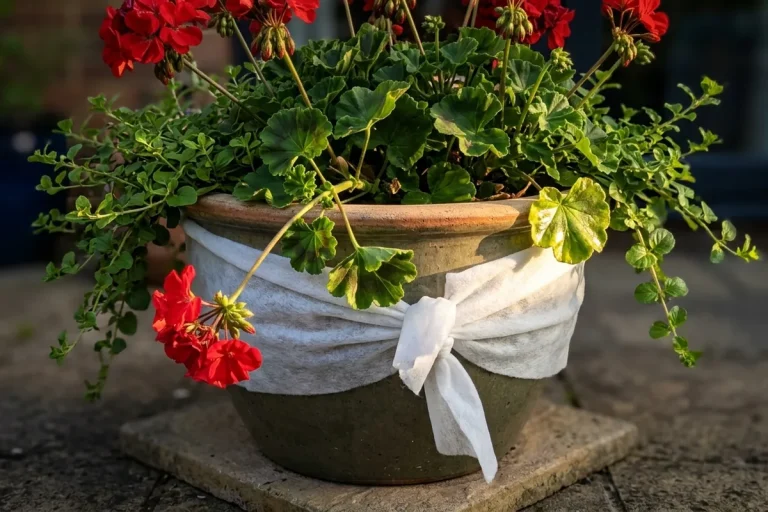
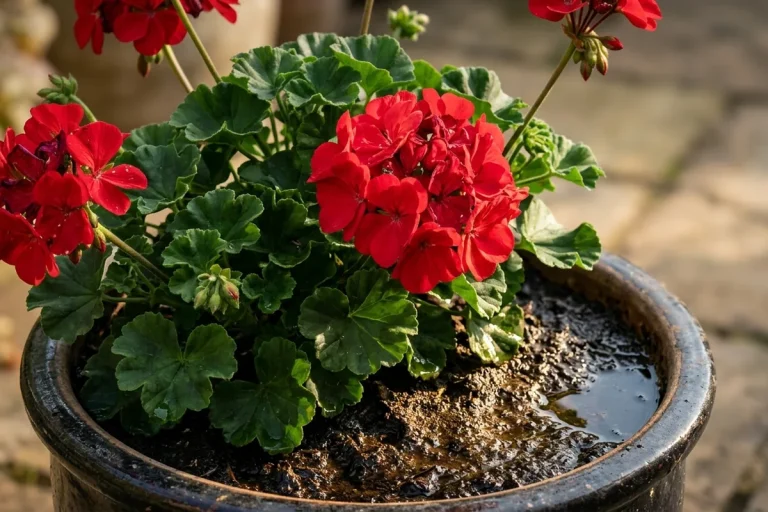
- Containers and pots: Check for frozen or split pots, especially terracotta. If a pot has cracked badly, move the plant (pot and all) somewhere safe until you can repot. Look for saucers still holding water from before the frost – tip them out so roots aren’t sitting in icy water.
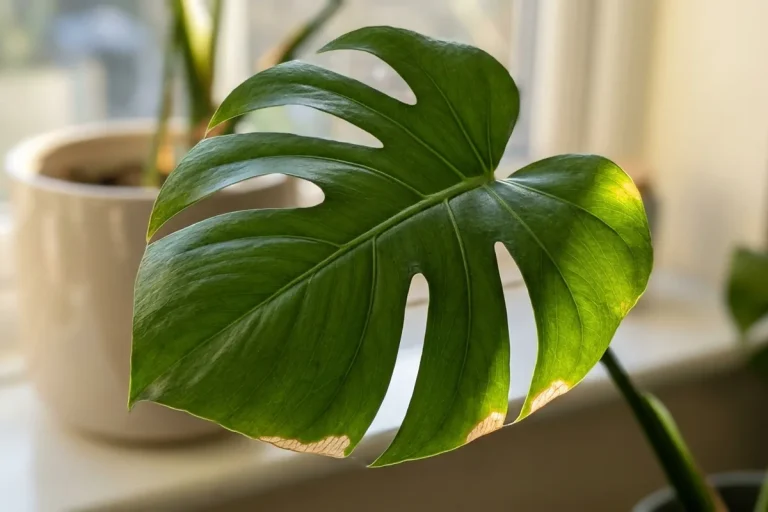
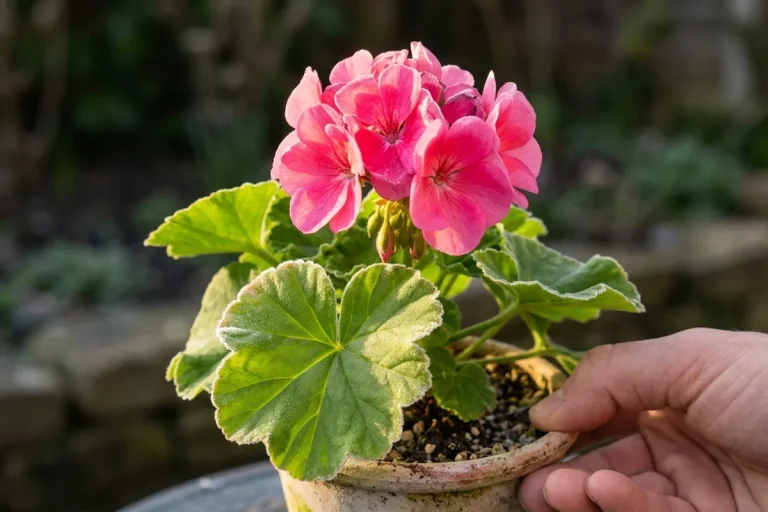
- Tender plants and exotics: Inspect dahlias left in the ground, penstemons, salvias, fuchsias, pelargoniums, tree ferns, olives and cordylines. Mushy, dark or translucent leaves usually mean frost damage. If the top growth has flopped but the base is firm, leave it; the roots may still be alive.
- Evergreens and hedges: Look for bronzed or greyed foliage, especially on new growth and on the windward side. This can be wind scorch rather than deep freezing. Do not rush to prune; wait to see what recovers.
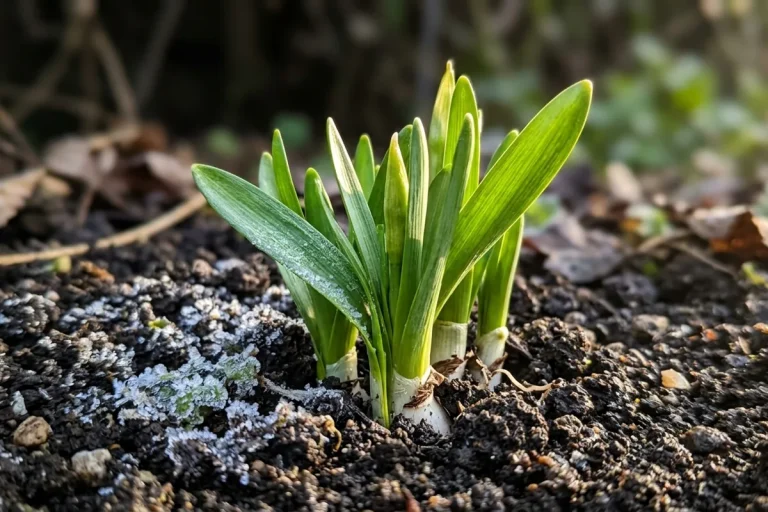
- Lawns and borders: If the grass is white and crunchy, avoid walking on it; frozen blades snap and leave brown footprints later. In borders, note any heaved plants where the frost has lifted crowns slightly out of the soil.
If you lift a pot and it still feels surprisingly heavy, wait before watering – many plants are killed by cold plus soggy compost, not by cold alone.
What to do with damaged plants
Once you’ve spotted the worst areas, move on to gentle, deliberate action.
For most plants, resist the urge to tidy hard straight away. Soft, blackened foliage on things like dahlias, cannas and some salvias can actually act as a temporary blanket over the crown.
You can, however:
- Remove obviously rotten growth: Snip off slimy, foul-smelling stems or leaves with clean secateurs, cutting back to firm tissue. This helps prevent rot spreading down to the crown.
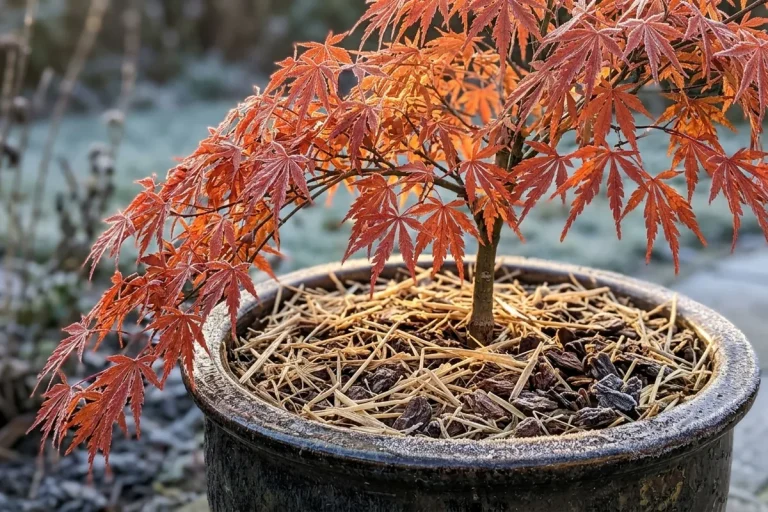
- Firm and mulch lifted plants: If a perennial or shrub has been rocked by frost, gently press the root area back into the soil and add a light mulch of compost or leaf mould to protect the crown.
- Move vulnerable pots: Slide half-hardy plants against a house wall, into a porch, cold greenhouse or unheated conservatory. Even a bright but sheltered corner on a patio can help. A windowsill that is bright but cold is still kinder than an exposed spot in an east wind.
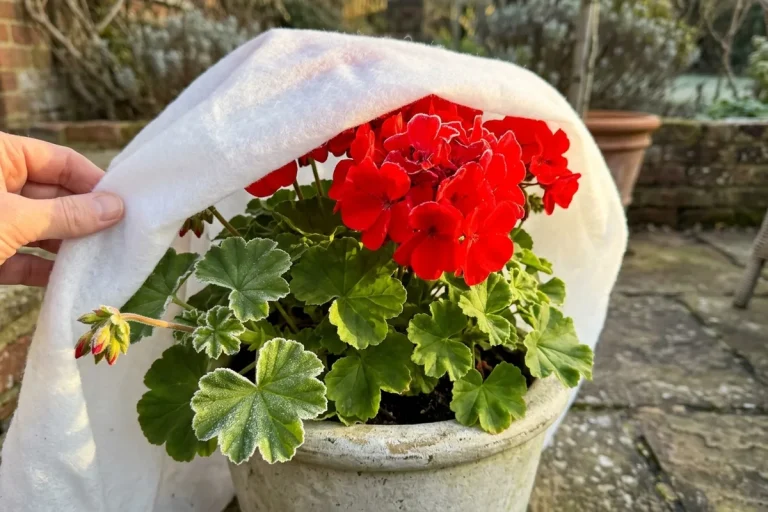
- Protect for the next night: Drape fleece over borderline shrubs and tender perennials if another frost is forecast. Peg it loosely so it doesn’t rub the foliage.
This is the point where many people feed or water heavily “to help them recover”. In cold soil, roots are sluggish; extra feed and water usually just sits there.
When to wait – and when to worry
Some damage only becomes clear as temperatures warm.
On roses, clematis and shrubs, leave any questionable stems until you see where new buds break in spring. Then cut back to healthy, budded wood. On evergreen shrubs like pittosporum, bay and photinia, give them several weeks; pale or bronzed leaves often green up again.
Worry – and act faster – if:
- whole small plants have turned to mush at the base
- crowns of perennials are soft, brown and hollow when you press them
- containers stay waterlogged days after the freeze has passed
In those cases, lift what you can, trim to sound tissue and pot into fresh, free-draining compost. Keep them just moist, not wet, and sheltered. If you’re unsure whether something is dead, a gentle scratch of the bark with your fingernail will tell you: green tissue means life, brown and dry usually does not.
A sudden cold snap is unsettling, but a calm check now saves a lot of needless ripping out later. Walk round, note the real damage, give roots protection and plants time. Your next small job is simply this: pick one area – pots, border or hedge – and check it carefully today.
Reader note
The Flower Expert is an independent gardening publication. Your support helps us keep creating practical plant care guides for everyday UK readers.
This article was created with the assistance of AI and reviewed by an editor. It is intended as general gardening information, not personalised professional advice.
If you still have a question, or if something looks unclear or inaccurate, you can contact us through our contact form.
If you found this article helpful, please consider sharing it on social media or leaving a comment below with your own experience. It helps other readers too.