
The trouble often starts quietly: a few pale patches on leaves, a scorched edge on the sunny side, compost drying out faster than it did in February. Stronger spring light through a UK window can lift houseplants, but it can also shock them if they have been sitting in low winter light.
Simple ways to ease plants into brighter light
Think of spring as a ramp, not a switch. Plants need time to adjust their leaves to the new intensity.
- Shift plants gradually. If a plant has been back from the window all winter, move it 20–30 cm closer every few days rather than straight onto a bright sill.
- Soften harsh sun. On south- or west-facing windows, use a sheer curtain, blinds tilted upwards, or place the plant behind taller ones to give bright, filtered light.
- Rotate the pot. Turn it a quarter turn every week so one side does not take all the sun. If one side of a rubber plant or peace lily is noticeably paler, this rotation will help.
- Watch the midday window. Spring sun between about 11 and 3 can be surprisingly strong through glass. Cacti and succulents usually enjoy it; thin-leaved plants like ferns, calatheas and peace lilies usually do not.
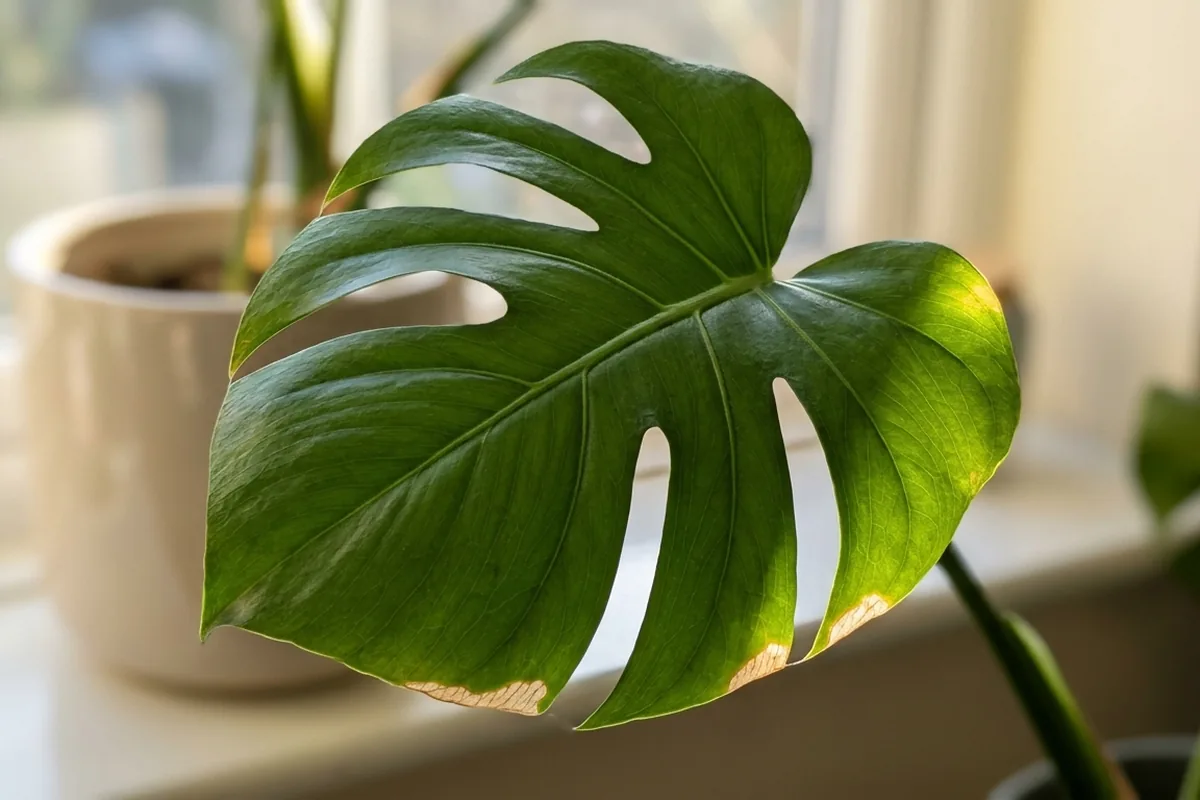
If you see bleached, papery patches on the side facing the glass, that leaf is sunburnt and will not recover. The useful clue is not one leaf, but the pattern across the plant: if new leaves are fine, your light level is probably now about right.
Watering and compost checks as days brighten
Stronger light and slightly warmer rooms mean compost dries out faster, but not always evenly.
Before you water again, slide a finger 3–4 cm into the compost. If it feels cool and damp, wait. If the top looks dusty but the pot still feels heavy, watering again can lead to soggy compost and weak roots.
A few simple adjustments help:
- Check more often, water less automatically. Early spring is when many people keep watering at winter intervals just as the plant starts to grow faster, or they suddenly over-correct and keep it constantly wet.
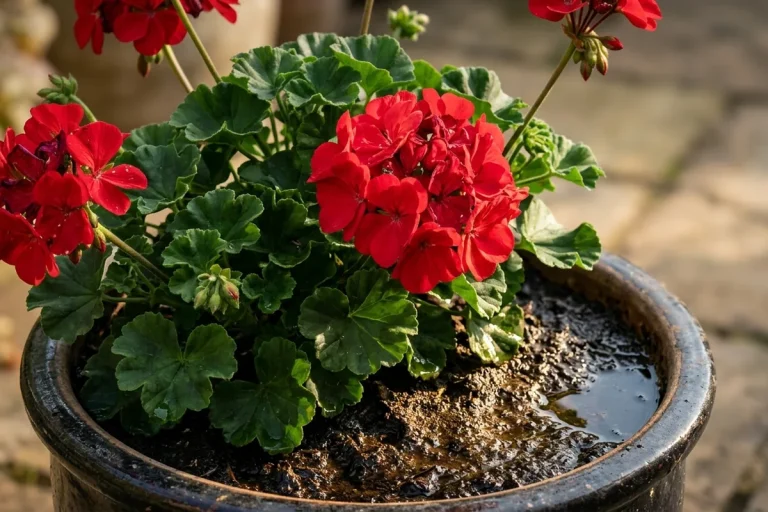
- Empty saucers. If there is still water in the saucer the next morning, tip it away. Roots sitting in water plus extra light often means yellowing lower leaves and mould on the compost.
- Feed lightly. Once you see fresh growth, use a dilute liquid houseplant feed about once a month. Check the bottle and avoid overdoing it – too much feed in strong light can crisp the leaf tips.
Matching plant types to the right spring spot
Some plants relish the jump in light; others need protection.
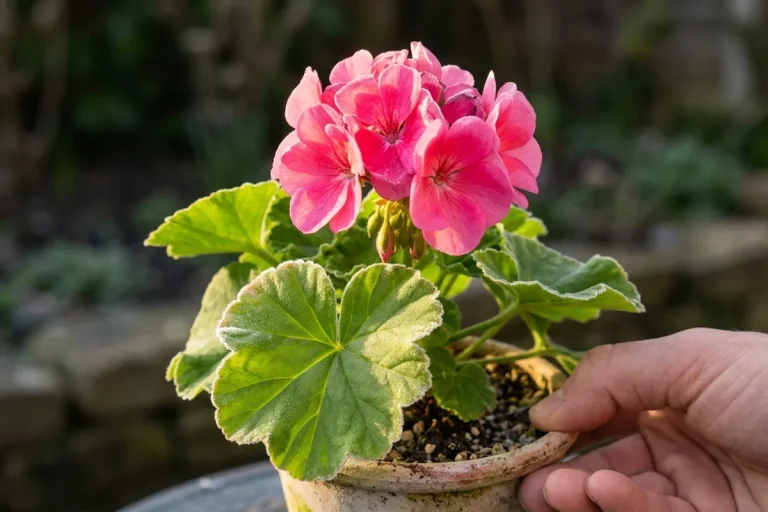
- Sun-lovers: Cacti, succulents, jade plants and geraniums usually enjoy a bright south or west window. Introduce them gradually if they have been in shade, and watch for sudden shrivelling or wrinkling that signals they are drying too quickly.
- Bright but gentle light: Orchids, spider plants, rubber plants and many foliage houseplants are happiest near an east or bright north window, or a little back from a sunny one.
- Shade-tolerant plants: Ferns, calatheas, peace lilies and many trailing plants prefer bright, indirect light. Move them out of any direct sunbeam that hits the leaves for more than an hour or two.
If the leaves look worse after every “fix”, stop changing several things at once. First stabilise the light – choose a spot and keep it consistent for a couple of weeks – then fine-tune watering.
A quick spring check of light, compost and pot position usually prevents most problems. Pick one plant today, check how the sun hits it between late morning and mid-afternoon, and make one small move rather than a big reshuffle.
Reader note
The Flower Expert is an independent gardening publication. Your support helps us keep creating practical plant care guides for everyday UK readers.
This article was created with the assistance of AI and reviewed by an editor. It is intended as general gardening information, not personalised professional advice.
If you still have a question, or if something looks unclear or inaccurate, you can contact us through our contact form.
If you found this article helpful, please consider sharing it on social media or leaving a comment below with your own experience. It helps other readers too.