
The trouble often starts quietly: a fresh flush of patio growth by day, then limp leaves and blackened tips after one cold night. If you’re bringing plants out from a sheltered spot, or have just filled new containers, a chilly spring snap can undo a lot in 24 hours.
Simple ways to keep the cold off tonight
Think in layers of protection, not one big solution. Most patio plants in the UK are caught out by late frost, cold wind and wet compost, rather than snow.
Use these quick, practical defences:
- Move what you can
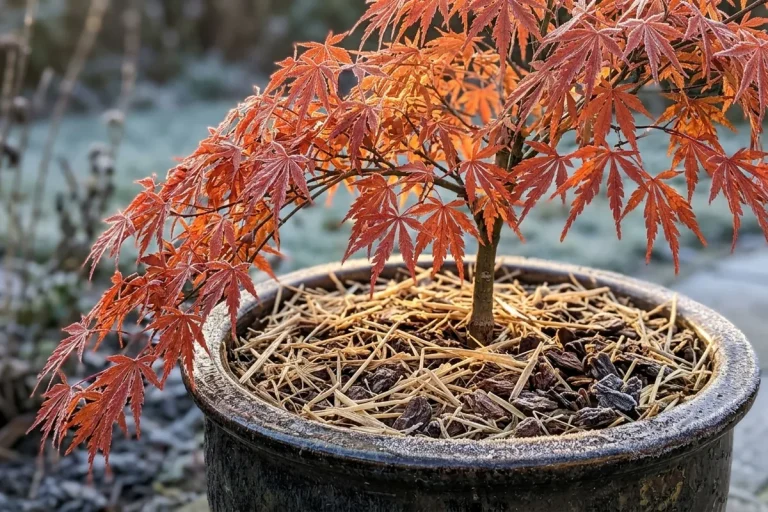
Slide pots against a house wall, into a porch, under a carport or up against a sheltered fence. A south- or west-facing wall often stays a couple of degrees warmer. If you lift the pot and it still feels heavy, wait before watering – cold and soggy together are hard for roots to cope with.
- Raise pots off the ground
Stand containers on pot feet, bricks or bits of broken slab. Cold sits in low spots; lifting pots improves drainage and keeps roots a touch warmer.
- Cover tender tops
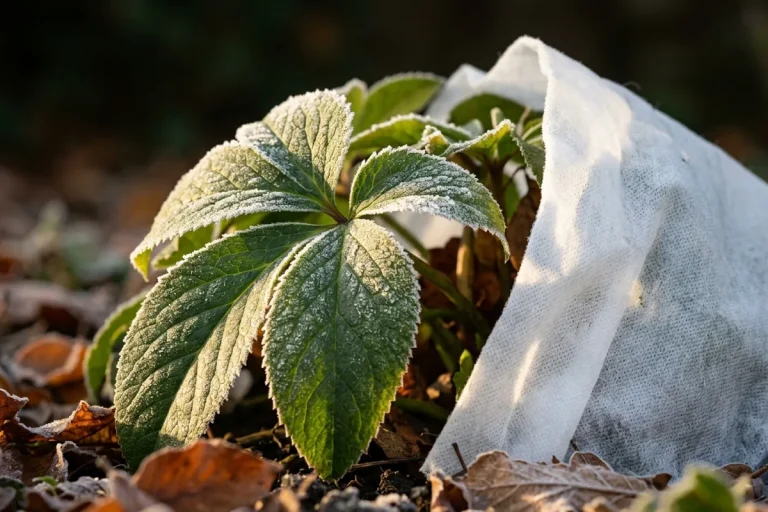
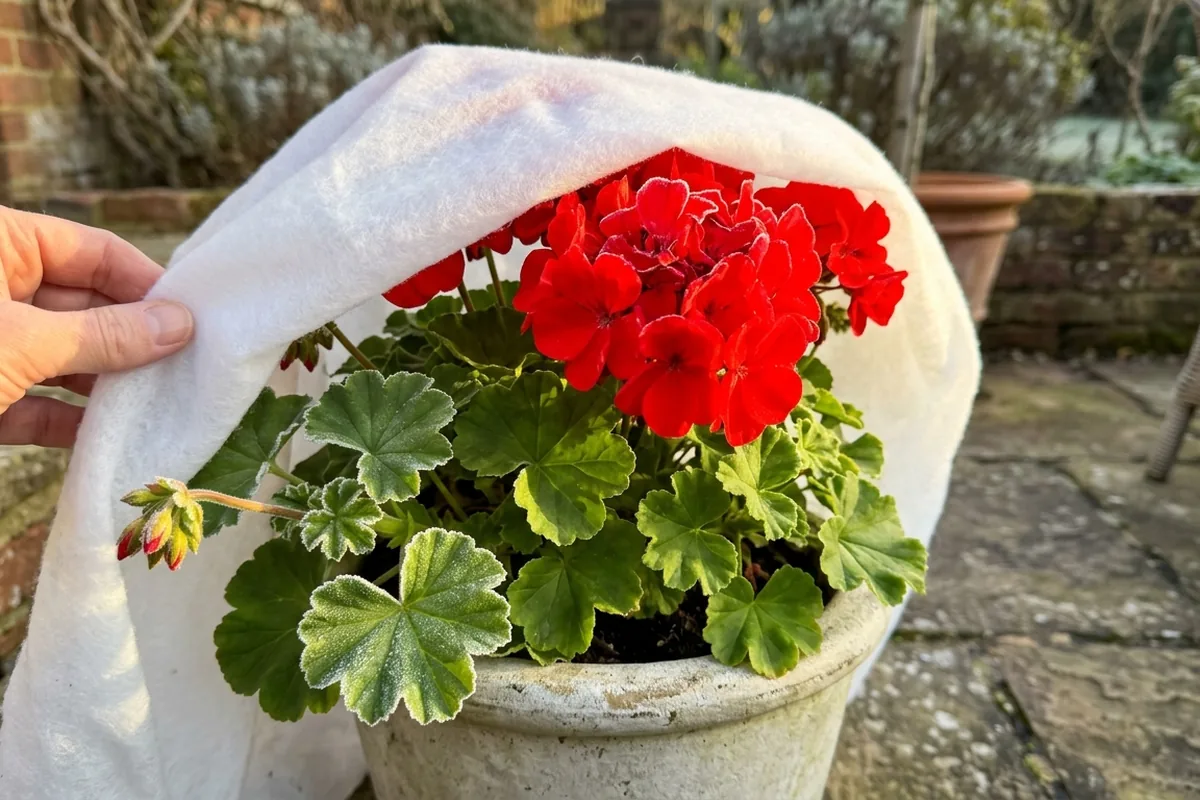
Use horticultural fleece, an old cotton sheet or even newspaper in a pinch. Drape it loosely over the plant and secure it so it doesn’t flap in the wind. Avoid plastic directly on foliage – it traps condensation and can freeze onto leaves.
- Group pots together
Push containers close, with the most tender plants in the middle. A tight cluster holds warmth better than isolated pots scattered round the patio.
- Bring the most precious ones in
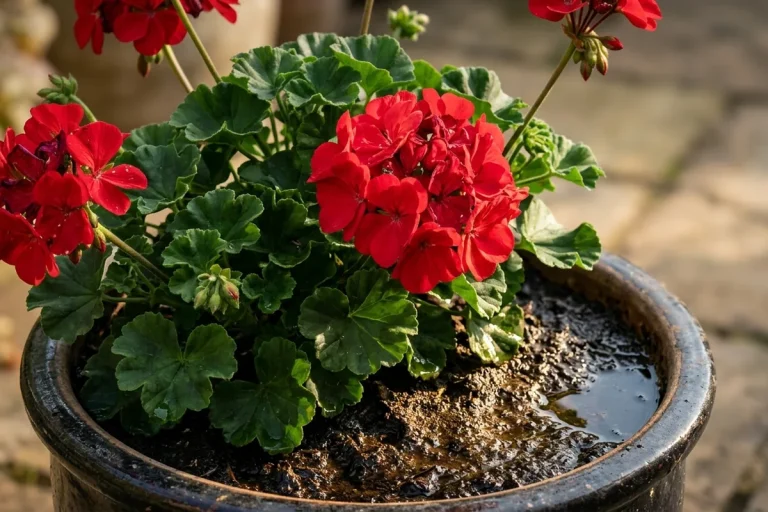
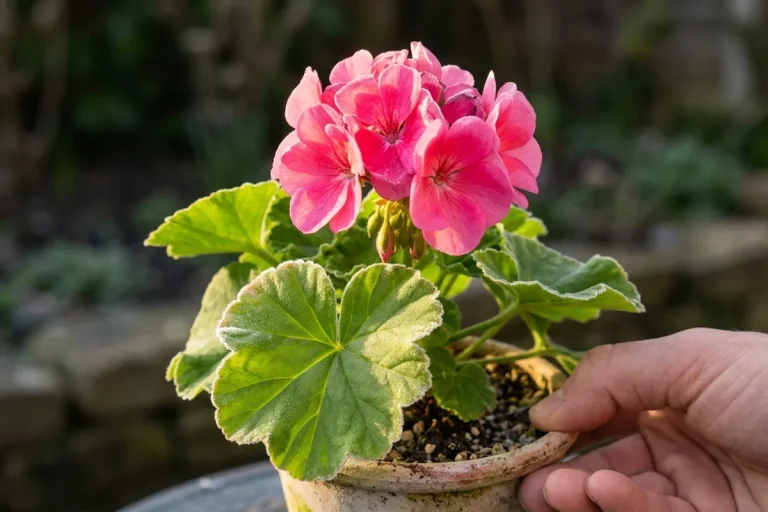
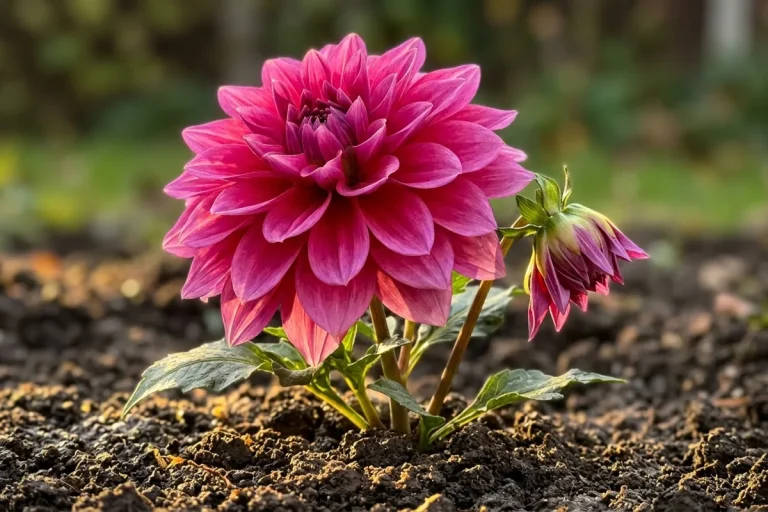
Half-hardy plants like pelargoniums, young fuchsias, citrus, dahlias in pots and bedding trays are best indoors or in a greenhouse on cold nights. A bright hallway, cool spare room or unheated conservatory is usually enough.
What to do during the day so nights are easier
Cold damage is worse on soft, lush growth. The way you treat plants in the daytime can make them tougher at night.
- Harden plants gradually
If you’ve bought new plants from a warm garden centre, or raised them on a bright windowsill, give them a week or two of hardening off. Out by day, in at night. This is the point where many people plant out or leave pots out permanently too soon.
- Avoid late-day soaking
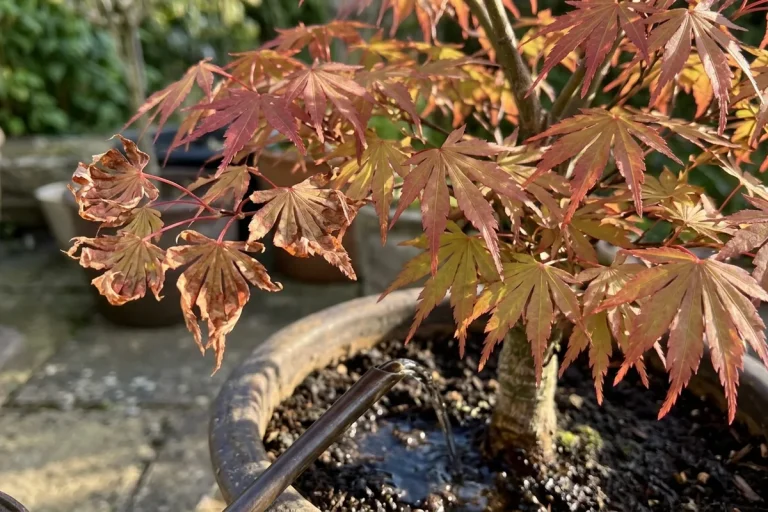
Water in the morning, so foliage dries before evening. Cold, wet leaves and saturated compost chill more quickly. A quick finger check tells you more than the surface of the compost; if it’s still damp 3–4 cm down, wait.
- Feed lightly, if at all
Hold off strong feeds while nights are still cold. High-nitrogen fertiliser pushes soft growth that blackens easily. A gentle, balanced feed once growth is steady and frost risk is lower is usually enough.
- Watch the forecast, not the calendar
In much of the UK, frost can appear into May, especially in rural or exposed spots. A clear, still night after a bright day is the classic frost set-up – that’s when to get the fleece out.
If cold damage has already happened
Do not rush to cut everything back. Cold-scorched leaves often look worse than the actual damage to the plant.
Look for blackened tips, limp young shoots or glassy, water-soaked leaves. On many patio plants, the buds further down the stem will still be alive.
- Leave damaged growth on for a few days; it can act as a small shield against another cold night.
- Once you’re past the cold snap, scrape a thumbnail gently on a stem. Green underneath means it’s still alive; brown and dry means that section has died back.
- Prune to just above healthy buds and tidy away mushy or mouldy material into the bin, not the compost heap.
- Keep watering steady but not generous – cold-damaged roots struggle in waterlogged compost.
A little planning makes a big difference. Check the forecast in the afternoon, shift a few pots, have fleece or an old sheet ready, and your patio plants can ride out most chilly spring nights without drama.
Reader note
The Flower Expert is an independent gardening publication. Your support helps us keep creating practical plant care guides for everyday UK readers.
This article was created with the assistance of AI and reviewed by an editor. It is intended as general gardening information, not personalised professional advice.
If you still have a question, or if something looks unclear or inaccurate, you can contact us through our contact form.
If you found this article helpful, please consider sharing it on social media or leaving a comment below with your own experience. It helps other readers too.