
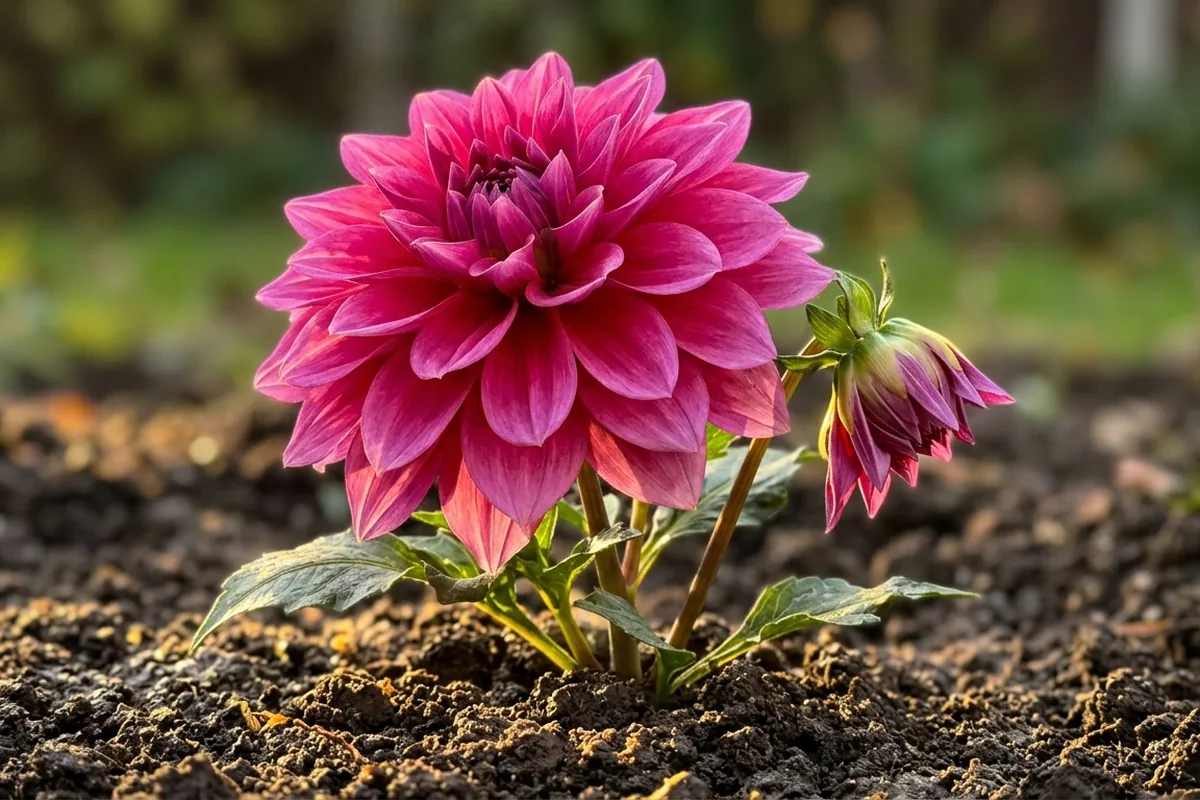
Before the first proper autumn downpours, there’s a useful window where the soil is still warm, the air cools a little, and roots can get going. If your borders look tired after summer or your pots are fading, this is the moment to refresh them so they’re ready to surge ahead with the rain.
If you’re looking at gaps where annuals have collapsed, compost that’s dry on top but hard underneath, and a forecast full of showers, you’re in exactly the right place to plant.
The best flowers to get into the ground now
Aim for plants that root quickly in warm soil, enjoy moisture and will either flower into autumn or be ready to romp away in spring.
- Hardy violas and pansies
Brilliant for pots, window boxes and front-of-border gaps. They enjoy cooler weather, cope with autumn rain and can flower on and off right through winter in milder areas. Choose sturdy plants with plenty of buds rather than big open blooms.
- Wallflowers (bare-root or small pots)
Classic partners for spring bulbs. Plant them now so they can root well before winter. They like firm soil and decent drainage – if your border sits wet after rain, add grit or compost before planting.
- Hardy chrysanthemums
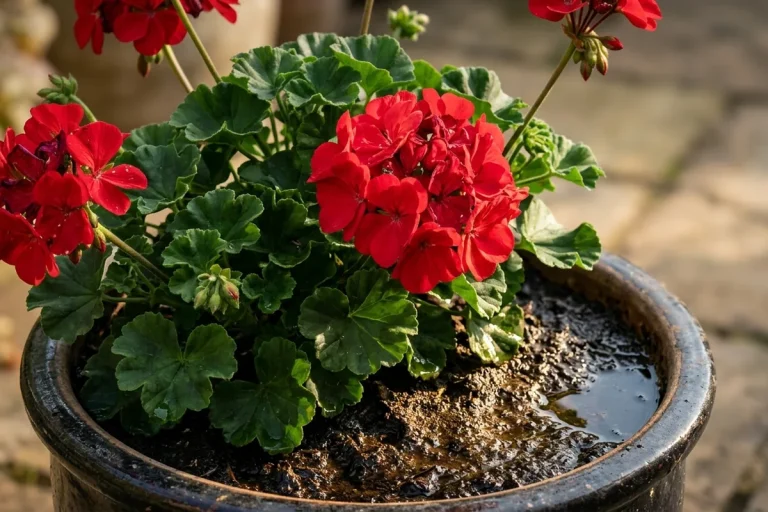
These give strong colour from late summer into autumn. Go for garden varieties rather than florist types. They appreciate moisture but hate sitting in a puddle – if a saucer under a patio pot still holds water the next morning, tip it away.
- Japanese anemones
Ideal for shadier spots and damp-ish borders. Once established they’re tough and spread steadily, so give them room. Autumn rain helps them settle; mulch lightly after planting to keep moisture even.
- Asters (Michaelmas daisies)
Excellent for late colour and pollinators. They like sun and moisture-retentive but not boggy soil. If mildew has been a problem before, choose modern, disease-resistant varieties and avoid crowding.
- Cyclamen hederifolium (hardy cyclamen)
Lovely under deciduous shrubs and trees. Plant the tubers just below the surface; if you can see the top of the tuber after watering, it’s a bit too shallow.
Flowers to plant alongside spring bulbs
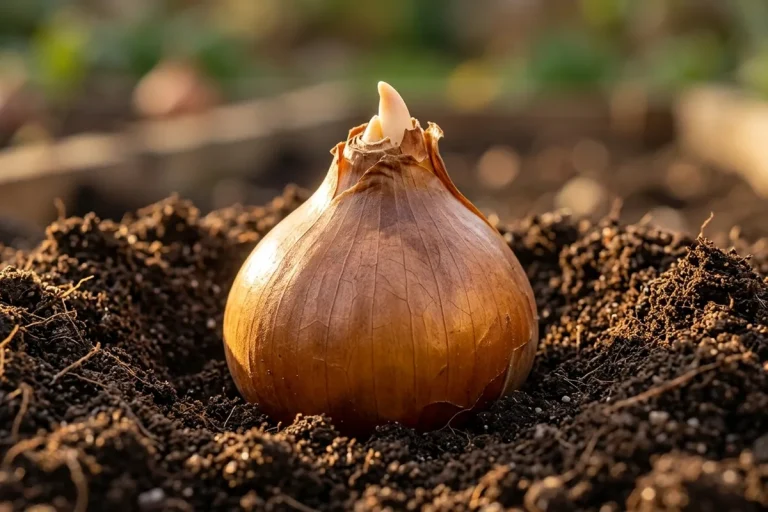
Autumn rain is also the perfect ally when you’re tucking in bulbs.
Plant tulips a little later (often from late October), but now is a good time to set:
- Narcissi (daffodils) with wallflowers or forget-me-nots for that classic spring look.
- Crocus and small irises with violas in pots – the violas give instant colour while the bulbs are building roots.
- Alliums into sunny borders, threaded between asters and hardy geraniums, so the space isn’t bare in winter.
When you’re planting bulbs and flowers together in a pot, check the depth: bulbs need their recommended covering of compost, then bedding plants go above. If a bulb is almost at the surface, it may dry out or get knocked by every watering can.
How to use the autumn rain to your advantage
Autumn showers can do much of the watering for you, as long as you plant well.
- Work with soil that’s slightly moist, not bone dry or waterlogged. If you tread and water squelches around your boot, wait a day or two.
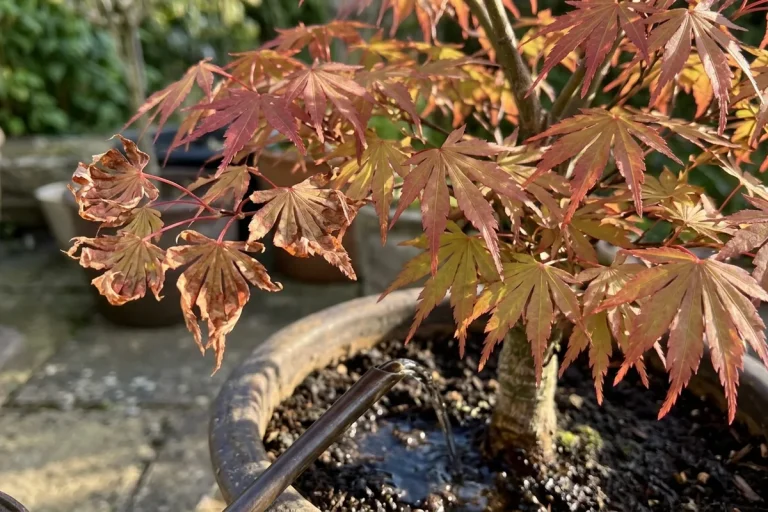
- Water plants in after planting, even if rain is forecast. This settles the compost around the roots. After that, let the rain take over unless the pot feels unexpectedly light.
- In containers, use fresh peat-free compost with some slow-release fertiliser mixed in. Patio pots often dry faster than borders, even in wet spells, so check with a finger rather than relying on the forecast.
- On heavy clay, plant a little higher and mulch around the rootball, so water drains away rather than pooling around the stem.
A quick round of planting now means the rain will do most of the hard work, and you’ll head into winter with fresher pots, fuller borders and the promise of spring already in the ground. Look at one bare patch, choose one of these reliable flowers, and get it planted before the next shower arrives.
Reader note
The Flower Expert is an independent gardening publication. Your support helps us keep creating practical plant care guides for everyday UK readers.
This article was created with the assistance of AI and reviewed by an editor. It is intended as general gardening information, not personalised professional advice.
If you still have a question, or if something looks unclear or inaccurate, you can contact us through our contact form.
If you found this article helpful, please consider sharing it on social media or leaving a comment below with your own experience. It helps other readers too.