
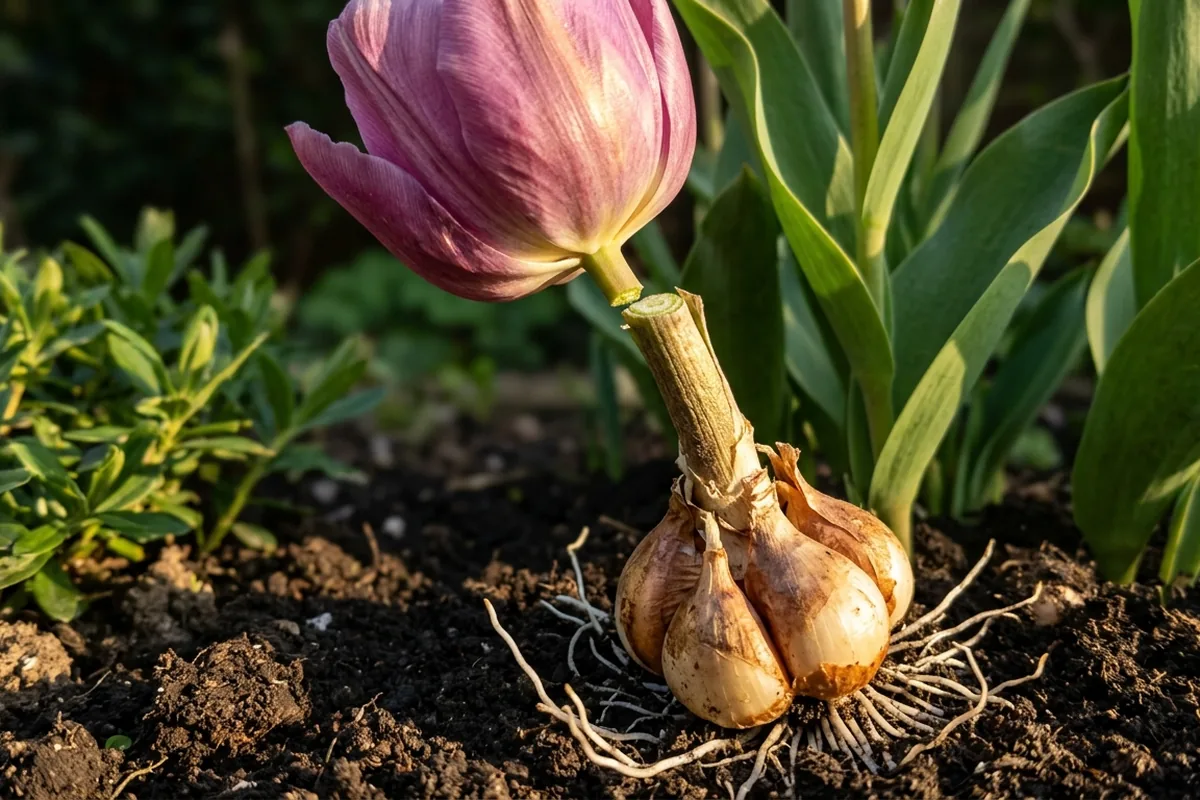
Once tulip petals start dropping, you’re left with tall, floppy stems, a fat seed pod and a clump of strappy leaves that look untidy. This is exactly the point where many people cut everything to the ground and then wonder why next year’s display is poor.
The one thing to do straight away
Deadhead the flowers but keep the leaves. That’s the key.
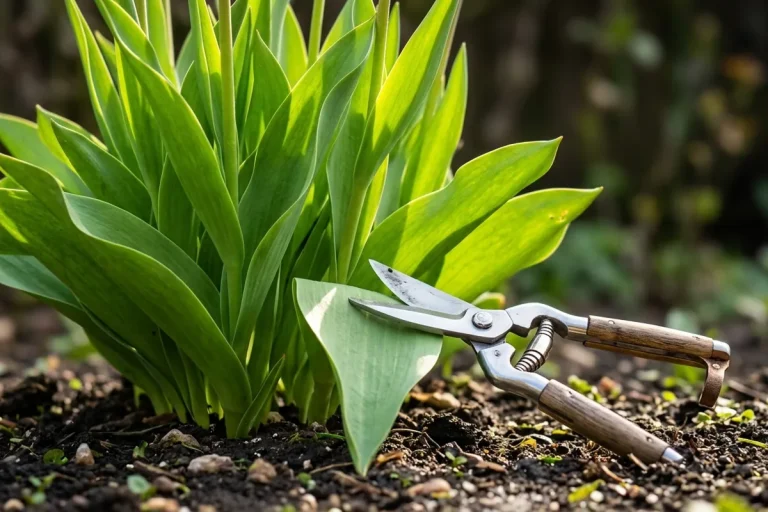
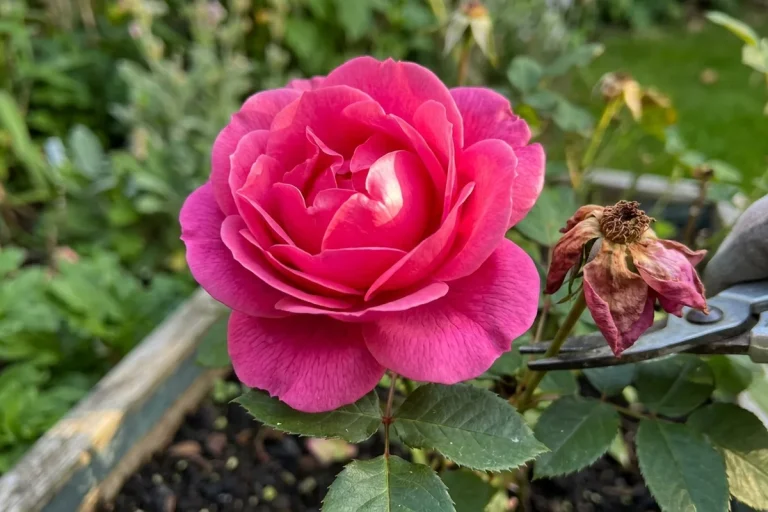
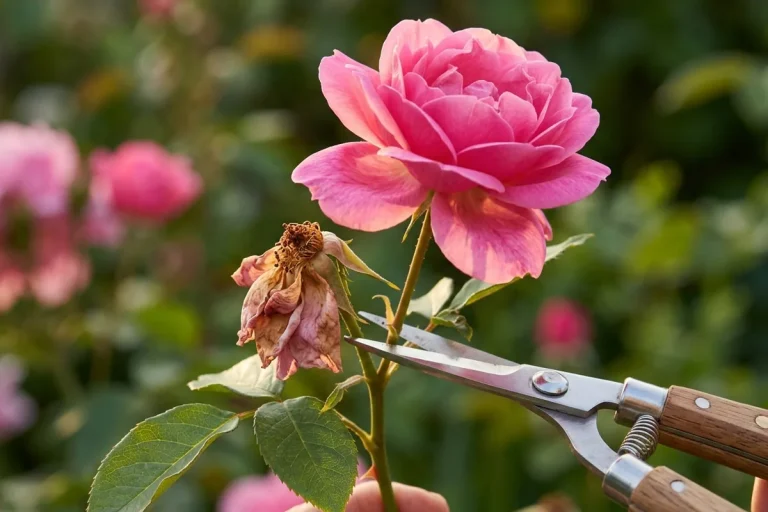
As soon as the petals fall or look tatty, snip off the spent flower head and the swelling seed pod just below it. Use clean scissors or secateurs and take only the top few centimetres of stem.
Do not remove the leaves yet. They are busy feeding the bulb for next year. If you cut them off too early, the bulb simply doesn’t have the energy to flower well again.
Keep the tulips:
- Watered in dry spells for 3–4 weeks after flowering, especially in pots or a sunny border.
- Lightly fed once or twice with a general liquid feed or tomato feed, following the label.
If the clump is in a pot by the front door, it will start to look a mess. Slide the pot somewhere less prominent rather than cutting the foliage off. If you lift the pot and it still feels heavy, wait before watering again.
When and how to deal with the foliage
Wait until the leaves yellow naturally. This is usually 4–6 weeks after flowering, sometimes longer in a cool, cloudy spring.
You’ll know it’s time when:
- leaves turn yellow and floppy
- stems collapse and lie on the soil
- the plant looks as if it’s giving up
At this stage, you can gently tug the leaves. If they come away easily from the bulb, the job is done. Cut or pull off the dead foliage and remove it from the bed or pot so it doesn’t sit and rot on the surface.
For tulips in borders, simply clear the old foliage and let other perennials or groundcover plants fill the gap. In pots, you can either:
- leave the bulbs in place and underplant with summer bedding, or
- tip the pot out, remove the bulbs and reuse the compost for non-bulb plants.
Decide: leave in the ground or lift and store?
Tulips are a little unpredictable as repeat performers. Some varieties come back strongly; others fade. Here’s a simple way to decide:
- Strong, large bulbs in well-drained soil: Leave them in the ground. Mark the spot with a label so you don’t forget.
- Heavy clay or very wet beds: Better to lift and store; bulbs can rot in soggy winter soil.
- Crowded pots or weak, tiny bulbs: These rarely give a good second year. Compost the small ones and replace with fresh bulbs in autumn.
To lift and store, wait until foliage has died down, then:
- use a hand fork to loosen the soil and lift the bulbs carefully
- brush off loose soil and dry them somewhere airy and shaded for a few days
- store in a paper bag or mesh tray in a cool, dry place until planting again in autumn
Before you put them away, discard any bulbs that feel soft, look mouldy or are badly damaged.
Once you’ve done this once or twice, the whole process becomes quick and almost automatic. After your tulips finish flowering this year, deadhead, let the leaves do their work, then decide calmly whether to leave, lift or replace.
Reader note
The Flower Expert is an independent gardening publication. Your support helps us keep creating practical plant care guides for everyday UK readers.
This article was created with the assistance of AI and reviewed by an editor. It is intended as general gardening information, not personalised professional advice.
If you still have a question, or if something looks unclear or inaccurate, you can contact us through our contact form.
If you found this article helpful, please consider sharing it on social media or leaving a comment below with your own experience. It helps other readers too.