
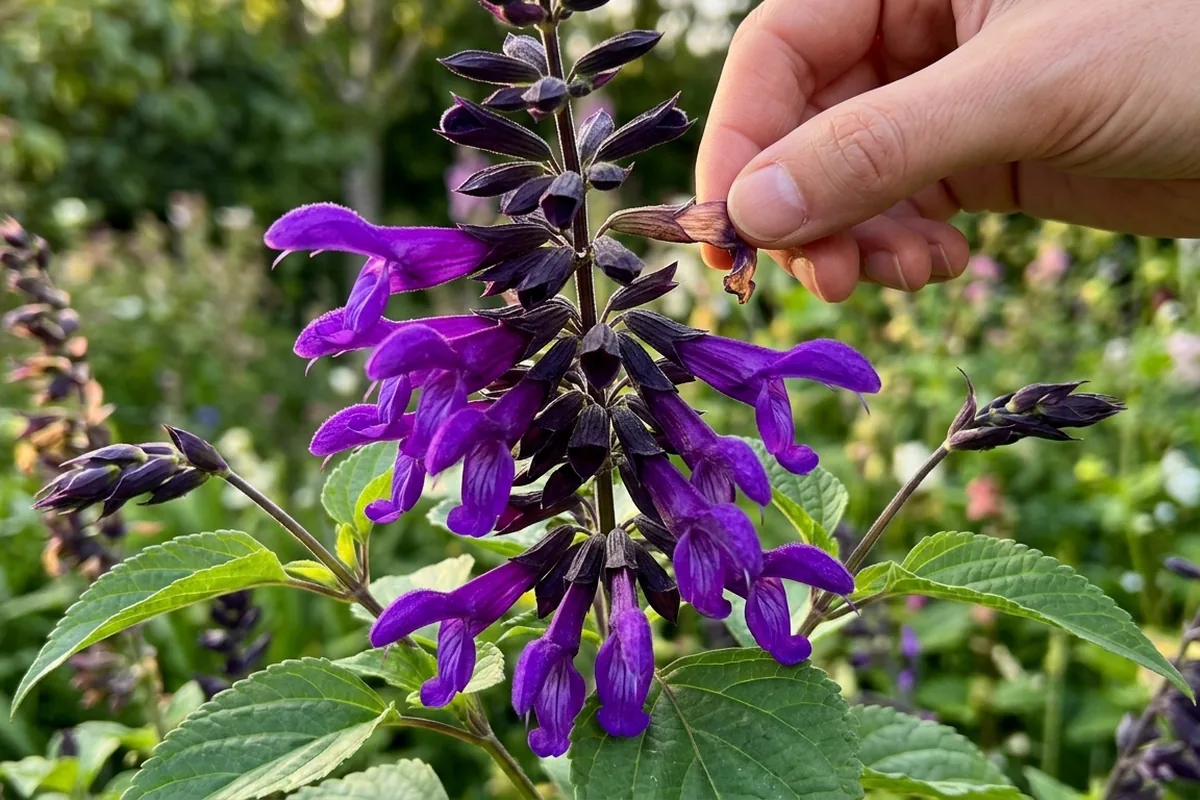
For those long, velvety purple spires you bought it for, Salvia ‘Amistad’ needs sun, warmth, and a steady rhythm of deadheading and watering. If your plant is all leaves and few flowers, or flopping after wind and rain, a few small tweaks usually bring it back to strong summer colour.
The essentials for strong growth and flowers
Give Salvia ‘Amistad’ full sun in a reasonably sheltered spot. It will tolerate light shade, but the richest purple and most flowers come with at least half a day of sun in a UK summer.
Plant in free‑draining soil. Heavy clay that stays wet around the roots will weaken the plant and can kill it over winter. In borders, mix in garden compost and a bit of grit where you plant. In pots, use a peat‑free, multi‑purpose compost with added grit or perlite and a pot with drainage holes.
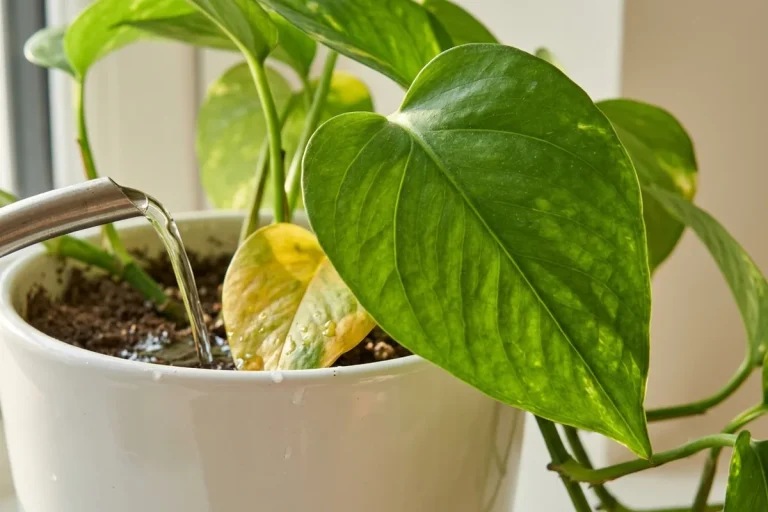
Water thoroughly, but not constantly. Let the top few centimetres of compost dry before you water again. If you lift the pot and it still feels surprisingly heavy, wait. A saucer still holding water the next morning is a sign to cut back.
Feed lightly from late spring to mid‑summer with a balanced liquid fertiliser every 2–3 weeks. Too much feed, especially high‑nitrogen, can give you lush green growth and fewer flowers.
Keeping the purple show going all summer
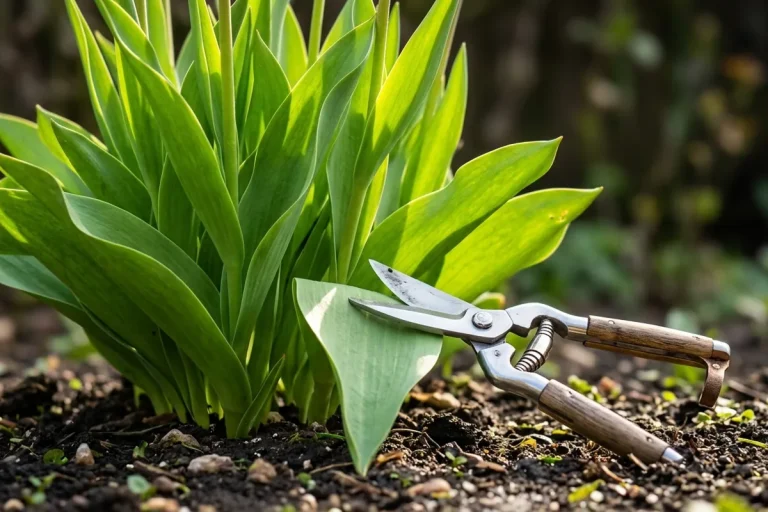
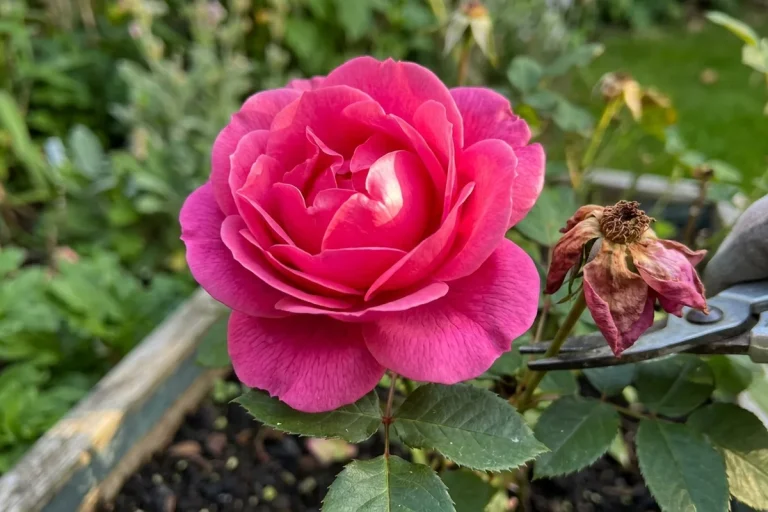
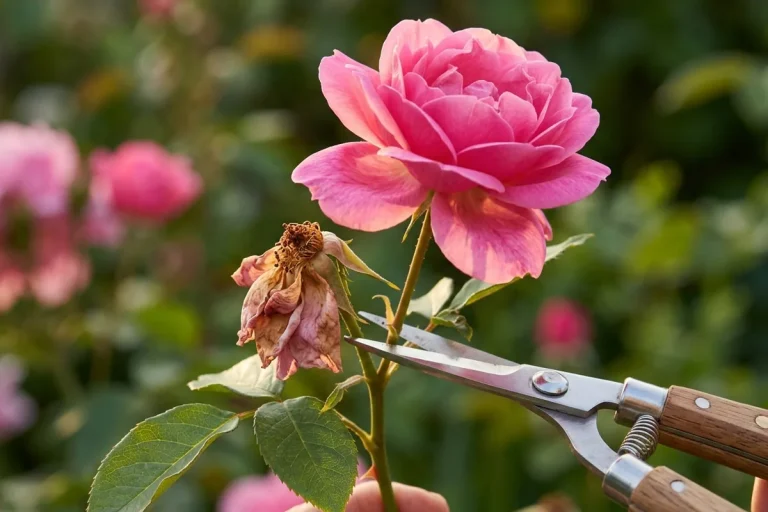
Deadhead regularly. This is the step that most affects how long it flowers. As soon as flower spikes fade and look tatty:
- Cut back each spent spike to a lower pair of strong leaves.
- Avoid just snipping the very tip; go low enough to remove the whole finished section.
- Check weekly – this is the point where many people water again instead of cutting back.
New flowering shoots usually appear quickly from below each cut, giving you fresh spikes into autumn.
In a hot, dry spell, border plants may flag in the afternoon. If stems are still drooping next morning, water generously at the base, not over the leaves, and mulch around the plant with compost to keep moisture in. A patio pot will dry out faster than the same plant in the ground, so check containers more often.
Tall stems can lean after wind or heavy rain. Gently stake with a discreet cane and soft tie if needed, especially in exposed gardens, so the plant puts its energy into flowering rather than constantly righting itself.
Winter survival and long-term care
‘Amistad’ is only marginally hardy in many parts of the UK. In mild, well‑drained gardens it often gets through winter; in colder, wetter spots it may not.
For borders:
- Plant in a sunny, well‑drained, slightly raised spot.
- After the first frost, leave the old stems in place over winter; they help protect the crown.
- In spring, once new shoots appear low down, cut last year’s stems back to just above the new growth.
For pots:
- Move containers to a sheltered, south‑facing wall or unheated greenhouse before the first frost.
- Keep compost only just moist; cold and wet together are what usually finish it off.
- If the roots are circling the pot by late summer, repot into the next size up in spring.
If this is happening on your plant – lots of leaf growth, floppy stems, and flowers that come and go quickly – look first at light, drainage, and deadheading before reaching for more feed or water. One careful check of the compost and a sharp pair of secateurs often does more than any tonic.
Once you’ve got the basics in place, Salvia ‘Amistad’ will usually repay you with months of deep purple, bee‑friendly colour. Start by checking how wet the soil really is and whether old flower spikes are still hanging on – those two small actions make the biggest difference.
Reader note
The Flower Expert is an independent gardening publication. Your support helps us keep creating practical plant care guides for everyday UK readers.
This article was created with the assistance of AI and reviewed by an editor. It is intended as general gardening information, not personalised professional advice.
If you still have a question, or if something looks unclear or inaccurate, you can contact us through our contact form.
If you found this article helpful, please consider sharing it on social media or leaving a comment below with your own experience. It helps other readers too.