
The secret to longer‑lasting garden flowers in a vase is mostly decided in the few minutes before and just after you cut them. If your home‑grown roses flop by the second day, or your sweet peas fade almost as soon as they’re arranged, a few small changes usually make a big difference.
The key steps that actually extend vase life
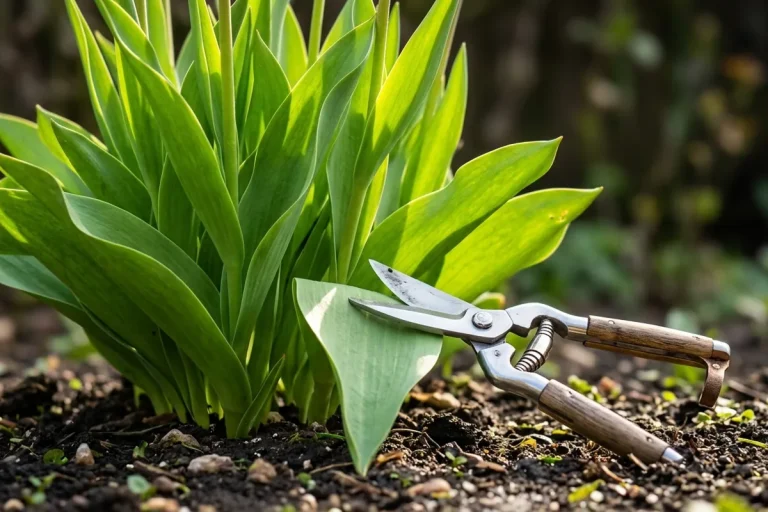
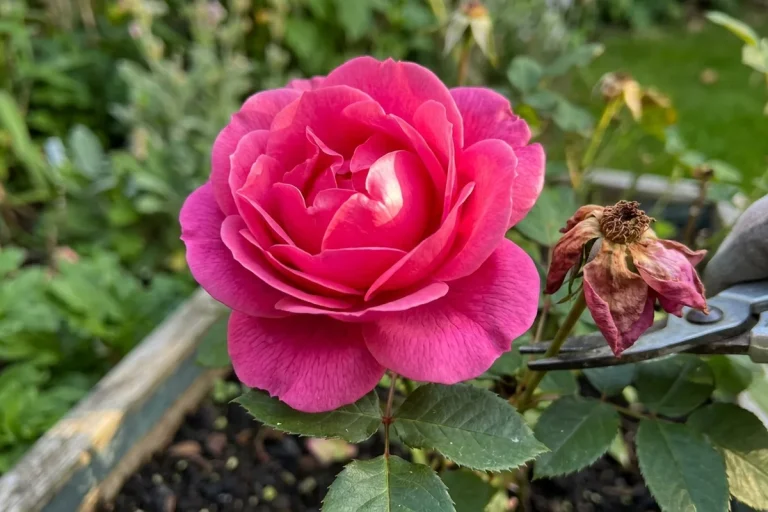
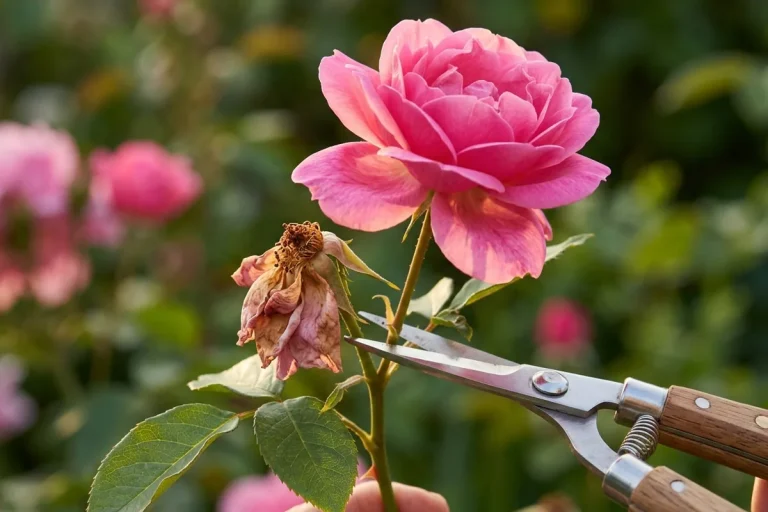
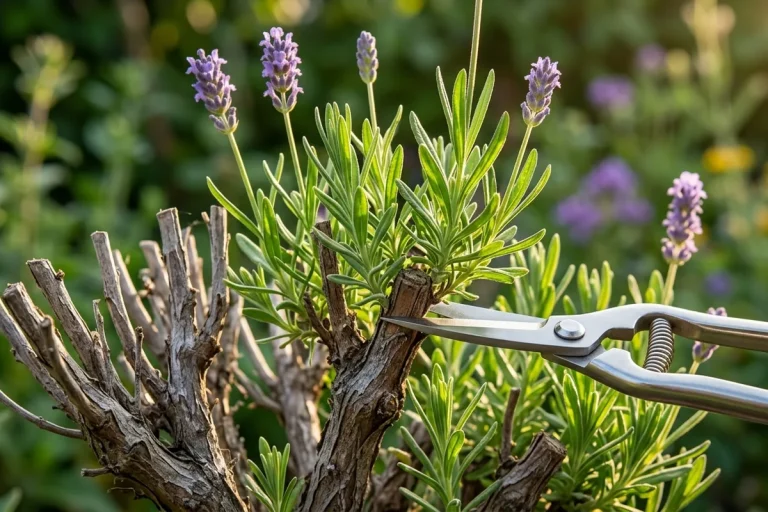
Start with the right moment. Cut in the cool of the morning or evening, not midday when stems are stressed and thirsty. Take a clean, sharp pair of secateurs or scissors.
- Choose the right stage:
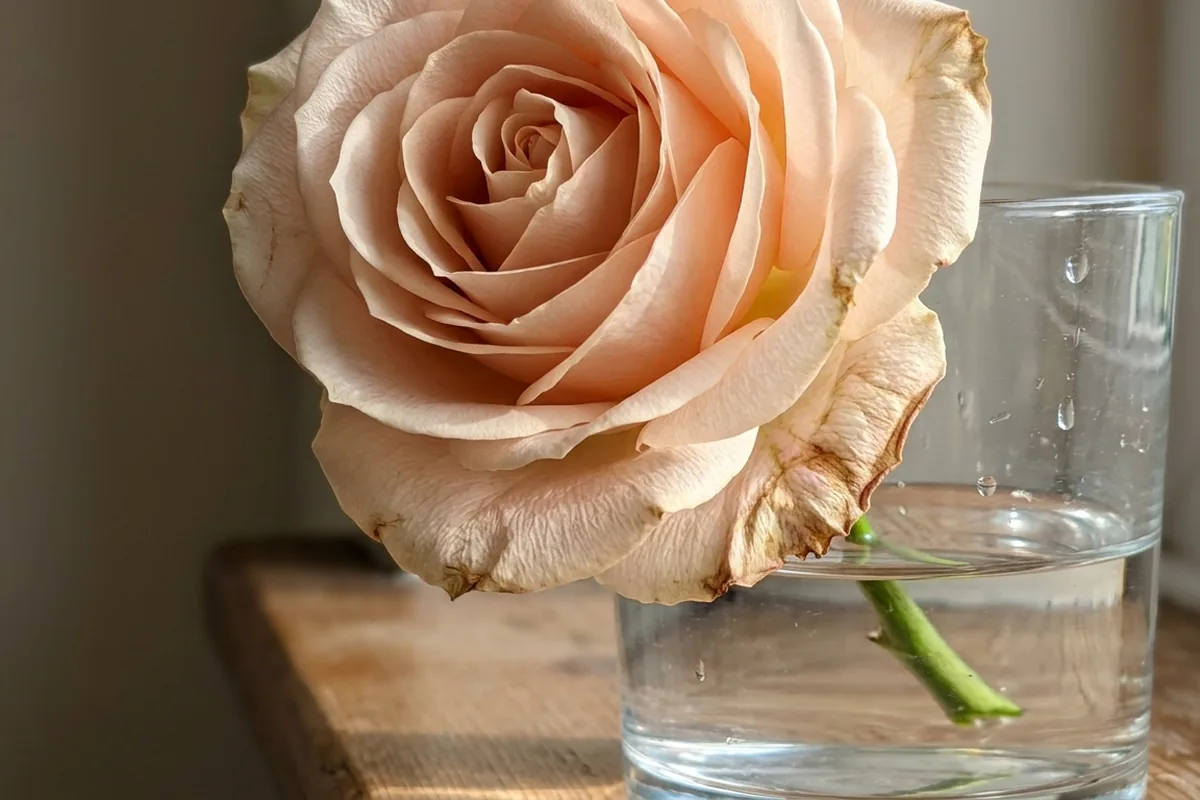
- Roses: outer petals just opening, not tight buds or blown open.
- Sweet peas: top flowers open, lower buds still to come.
- Dahlias: fully coloured, but not dropping pollen.
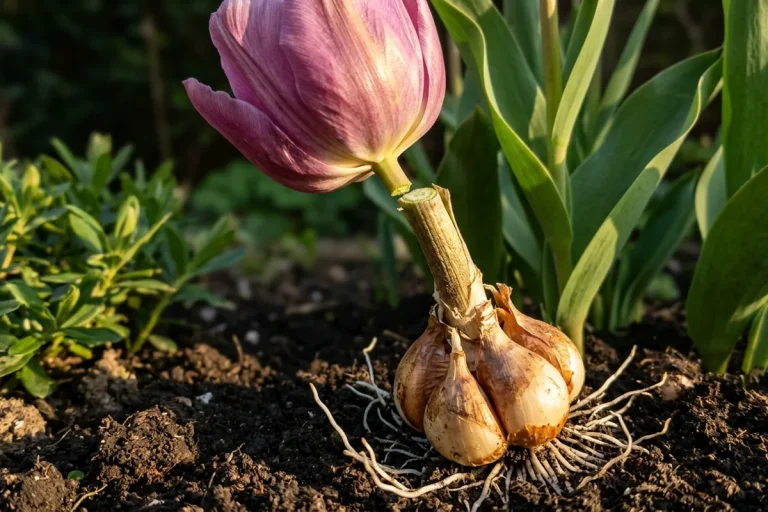
- Tulips: still quite firm and upright.
Cut more stem than you think you need. You can always shorten later, but you cannot add length back.
As soon as you come indoors, re‑cut each stem by 1–2 cm at an angle under the tap or into a jug of water. This helps stop air bubbles blocking the stem.
Strip off all leaves that would sit below the waterline. Leaves left underwater are one of the quickest ways to turn a vase cloudy and smelly.
Use a clean vase with lukewarm tap water. If the vase smells at all or has a slimy film, wash it with hot soapy water first.
Everyday care that makes them last
Once the flowers are arranged, the job is not finished. The way you look after them over the next few days matters just as much.
- Top up and change the water every 1–2 days. When you change it, rinse the stems and trim the ends again. If you lift the vase and the water looks even slightly cloudy, do not wait.
- Keep them cool and out of direct sun. A bright UK windowsill over a radiator will cook a bouquet in a day. A table a little back from the window is usually kinder.
- Keep away from fruit. Ripening bananas and apples release ethylene gas, which can make petals drop faster.
- Remove fading stems promptly. One rotting stem in the middle of the vase will shorten the life of the rest.
If you use a commercial flower food, follow the packet and still change the water regularly. It helps, but it is not a substitute for clean water.
Extra tricks for specific garden flowers
Some common garden flowers respond well to a bit of extra fuss:
- Woody stems (roses, lilac, hydrangea): After cutting, split the bottom 2–3 cm of stem or gently crush it with secateurs to help water uptake. Hydrangeas also like their heads misted lightly.
- Soft, floppy stems (tulips, anemones, ranunculus): Stand them in deep, cool water for a couple of hours to firm up before arranging. Tulips will keep growing in the vase, so arrange them slightly shorter than you want.
- Milky stems (poppies, euphorbia): Briefly sear the cut ends in hot (not boiling) water for 10–20 seconds to seal the sap, then place in fresh cool water.
- Very thirsty summer flowers (sweet peas, cosmos, dahlias): Condition them in a bucket of deep water in a cool, dim spot for a few hours before they go into their final vase. This is the step many people skip.
If the flowers look worse after every “fix”, stop changing several things at once. Go back to basics: a fresh cut, a scrubbed vase, cool position, clean water.
Keeping cut flowers fresh is mostly about small, repeated habits rather than tricks. Next time you bring a handful in from the garden, slow down for those first ten minutes – clean cut, stripped leaves, fresh water – and you should see them last noticeably longer.
Reader note
The Flower Expert is an independent gardening publication. Your support helps us keep creating practical plant care guides for everyday UK readers.
This article was created with the assistance of AI and reviewed by an editor. It is intended as general gardening information, not personalised professional advice.
If you still have a question, or if something looks unclear or inaccurate, you can contact us through our contact form.
If you found this article helpful, please consider sharing it on social media or leaving a comment below with your own experience. It helps other readers too.