
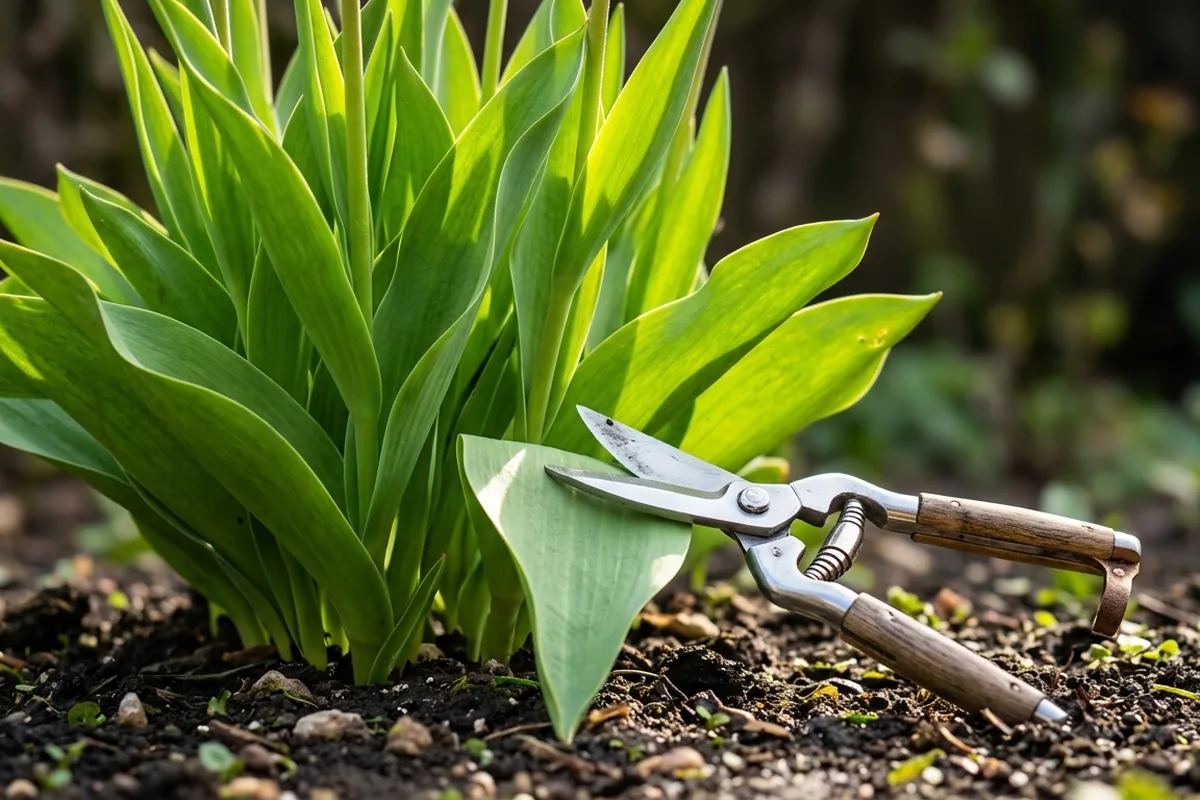
The mistake often happens just as your spring display is fading. The flowers are over, the border looks messy and the urge to tidy everything away is strong. Many people cut tulip leaves right down at this point – then wonder why the bulbs give weak, short or no flowers the following year.
What the leaves are really doing after flowering
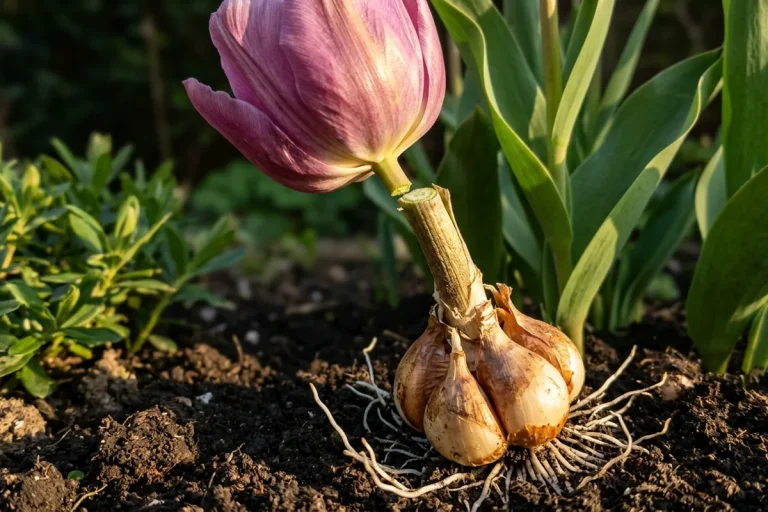
Once the petals drop, the real work moves underground. For four to six weeks, those strappy green leaves are acting as solar panels.
- Leaves capture light and turn it into energy.
- That energy is stored in the bulb as carbohydrates.
- Next year’s flower bud is formed inside the bulb in this period.
- Roots are still active, taking up water and nutrients.
If you cut the foliage off too soon, you effectively cut the power supply. The bulb has less stored energy, so next year you may see:
- small, stunted flowers
- only leaves and no bloom at all
- bulbs that simply disappear after a year or two
If your tulips flowered well this spring but are poor next year, early leaf removal is often the quiet culprit.
When to cut tulip leaves without weakening the bulb
The key is to wait for the leaves to die back naturally. Do not go by the calendar; go by the colour and feel of the foliage.
Look for these stages:
- Fresh green, upright leaves: still feeding the bulb. Do not cut.
- Yellowing, floppier leaves: the bulb is nearly “charged”, but not quite. This is the point where many people tidy too soon.
- Crisp, brown, papery leaves that come away with a gentle tug: feeding is finished. It is safe to remove them.
A quick check: if you gently pull a leaf and it resists, leave it. If it comes away easily, you can clear it.
In borders, you can lightly tie or tuck leaves around the stem of spent flowers to make them less obtrusive, but avoid tight knots that kink or snap the foliage. In pots on a patio, slide other containers in front for a few weeks while the tulip leaves do their job.
Simple ways to help bulbs recharge for next year
While the leaves are still green, you can quietly support the bulbs:
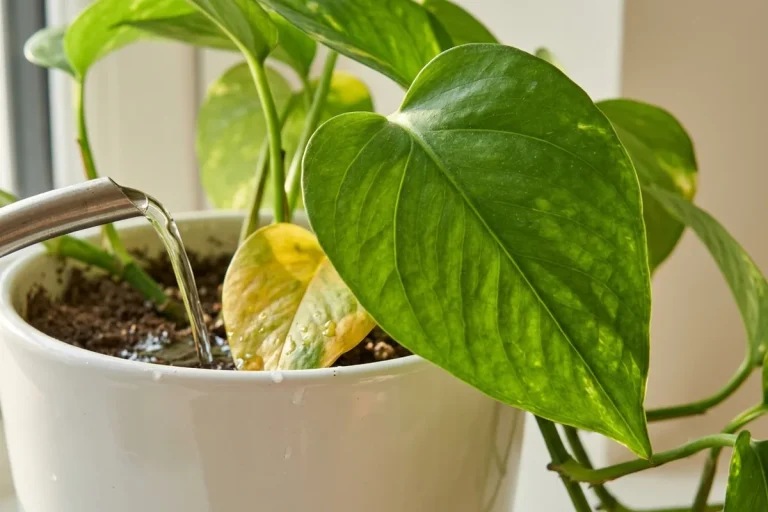
- Water in dry spells: especially in pots or raised beds, where compost dries faster than a border. If the pot feels very light and the compost is dry a few centimetres down, water thoroughly and let any saucer drain.
- Feed lightly: a general-purpose bulb fertiliser or balanced liquid feed, used as directed on the label, can help. Stop feeding once the leaves are mostly yellow.
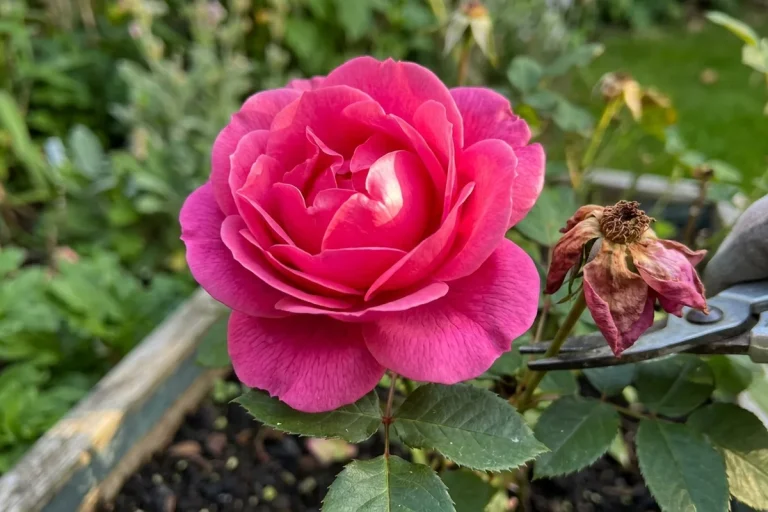
- Do not cut stems too low too soon: you can remove the spent flower head (deadhead) just below the old bloom to stop seed forming, but keep as much stem and leaf as possible until they fade.
- Avoid disturbing bulbs early: if you plan to lift and store tulips, wait until the foliage has fully died back and the bulbs feel firm.
If the top of the soil looks dry but the pot still feels surprisingly heavy, wait rather than watering again – soggy compost can rot bulbs just when they are trying to store energy.
Handled this way, many tulips will flower reliably for several years. Your one small job now is simply to hold back the secateurs until the leaves have truly finished. That short pause is what turns this spring’s scruffy foliage into next spring’s strong flowers.
Reader note
The Flower Expert is an independent gardening publication. Your support helps us keep creating practical plant care guides for everyday UK readers.
This article was created with the assistance of AI and reviewed by an editor. It is intended as general gardening information, not personalised professional advice.
If you still have a question, or if something looks unclear or inaccurate, you can contact us through our contact form.
If you found this article helpful, please consider sharing it on social media or leaving a comment below with your own experience. It helps other readers too.