
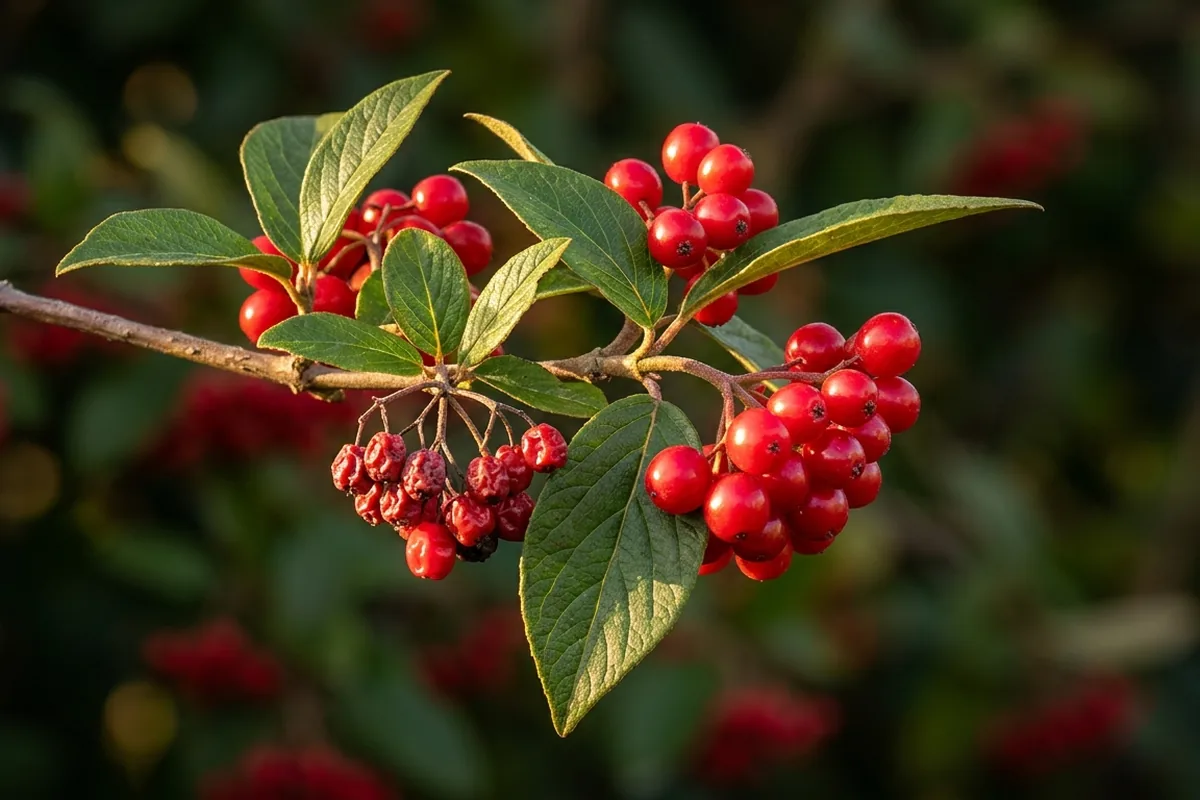
For a shrub that quietly earns its keep in every season, viburnum is hard to beat. Many gardeners meet it in winter, when a bare-looking shrub suddenly covers itself in scented blossom, then realise later it also gives summer structure and autumn berries. If your borders feel flat and empty between flowering peaks, this is the gap viburnum can fill.
Choosing and placing viburnum for all‑year interest
The key to year‑round value is picking the right viburnum for the right spot. Before you buy, decide what matters most: winter scent, evergreen structure, or berries and autumn colour.
Good, reliable choices for UK gardens include:
- For winter scent and blossom: Viburnum x bodnantense ‘Dawn’, V. farreri, V. x burkwoodii
- For evergreen structure and spring flowers: V. tinus, V. davidii
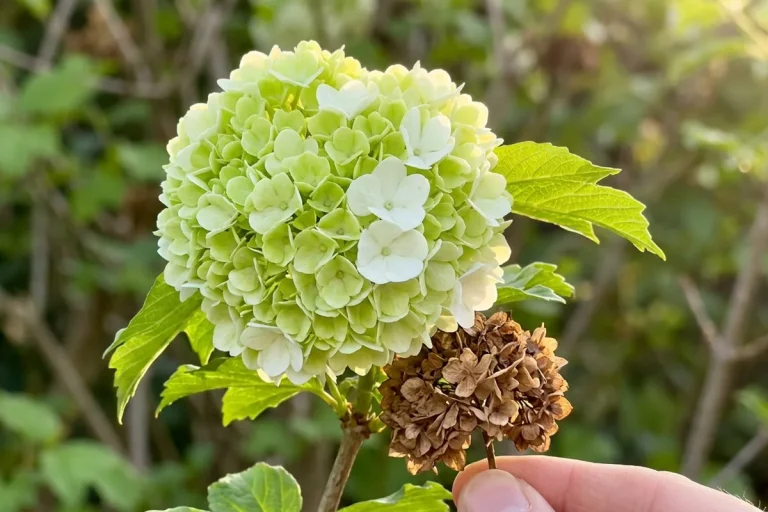
- For berries and autumn colour: V. opulus (guelder rose), V. plicatum forms
Most viburnums prefer moist but well‑drained soil, in sun or light shade. A west or south‑west facing fence or wall suits many types; V. tinus will also cope with a slightly more shaded town garden.
If your soil is thin or very dry, dig in plenty of garden compost or well‑rotted manure before planting. If water sits in the hole after rain, improve drainage or choose a slightly raised spot; viburnums dislike sitting in cold, wet soil over winter.
Plant at the same depth as in the pot, firm gently, then water thoroughly. If you lift the pot and it still feels heavy, wait before watering again – newly planted viburnums often suffer more from overwatering than drought in a damp UK spring.
Simple care for strong growth, flowers and berries
Once established, viburnums are fairly low‑maintenance, but a few habits make a big difference:
- Watering: In the first year, water deeply during dry spells, especially if leaves look limp or the soil pulls away from the rootball. Patio pots dry faster than borders, so check them more often.
- Feeding: In early spring, scatter a balanced slow‑release fertiliser around the base and mulch with compost or leaf mould. This supports new growth and flower buds.
- Mulching: A 5 cm mulch helps keep roots cool and moist and reduces weeding. Keep it just clear of the main stems to avoid rot.
- Wind and cold: Evergreen types, particularly in pots, can suffer from cold, drying winds. A bright but cold winter windowsill indoors is not right; keep them outside, but consider a more sheltered corner if leaves scorch or brown at the edges.
If this is happening on your plant, look at the whole shrub rather than one damaged leaf. The useful clue is not one leaf, but the pattern across the plant.
Pruning for shape, flowers and structure
Viburnums do not want heavy, frequent pruning. Most flower on wood formed the previous year, so timing is important.
- Deciduous, spring‑flowering types (e.g. V. opulus, V. plicatum, V. x burkwoodii): prune lightly just after flowering. Remove a few of the oldest stems at the base and any crossing or congested growth. This keeps the framework open without sacrificing next year’s blossom.
- Evergreen types (e.g. V. tinus, V. davidii): trim for shape in late spring, after the main flush of flowers and berries. Avoid cutting back hard into old, bare wood unless you are prepared for a year or two of recovery.
- Vigorous or neglected shrubs: Over 2–3 years, take out up to a third of the oldest stems each year in early summer. Do not rush to chop everything at once; sudden hard pruning can spoil flowering and structure.
Before you make any cut, step back and check how the shrub holds the space – viburnum is as much about outline and framework as it is about flowers.
With the right variety, a sensible planting spot and light, well‑timed pruning, viburnum will quietly anchor your borders, carry you through the bare months and link one season’s colour to the next. If you do one thing this week, walk around your garden and note where an evergreen dome or a winter‑flowering shrub would give you something to look at when everything else has died back.
Reader note
The Flower Expert is an independent gardening publication. Your support helps us keep creating practical plant care guides for everyday UK readers.
This article was created with the assistance of AI and reviewed by an editor. It is intended as general gardening information, not personalised professional advice.
If you still have a question, or if something looks unclear or inaccurate, you can contact us through our contact form.
If you found this article helpful, please consider sharing it on social media or leaving a comment below with your own experience. It helps other readers too.