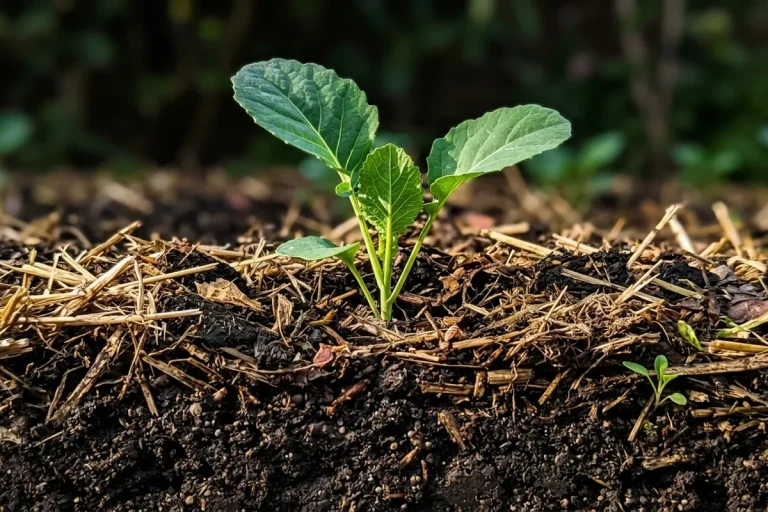

The secret to big dahlias starts long before the first flower opens. If your plants have been short, slow or stingy with blooms, the way the tubers went into the ground is often the reason.
The best way to plant dahlia tubers for size and flower power
Wait for the right moment. In most of the UK, plant tubers outside from late April to May, once the soil feels mild to the touch and hard frosts are mostly past. Cold, wet soil is the quickest way to rot a dahlia before it even starts.
Choose a sunny, sheltered spot – at least six hours of direct sun on a typical summer’s day. A bright, breezy border or patio bed is ideal. Dahlias in shade will grow leaves but give far fewer flowers.
Prepare the ground properly. Dig down a spade’s depth, remove stones and mix in:
- Well-rotted compost or manure for food and moisture-holding
- A handful of general fertiliser per planting hole (check the packet for rates)
You’re aiming for crumbly, free-draining soil. If a handful squeezed in your fist stays as a sticky lump, add more grit or compost.
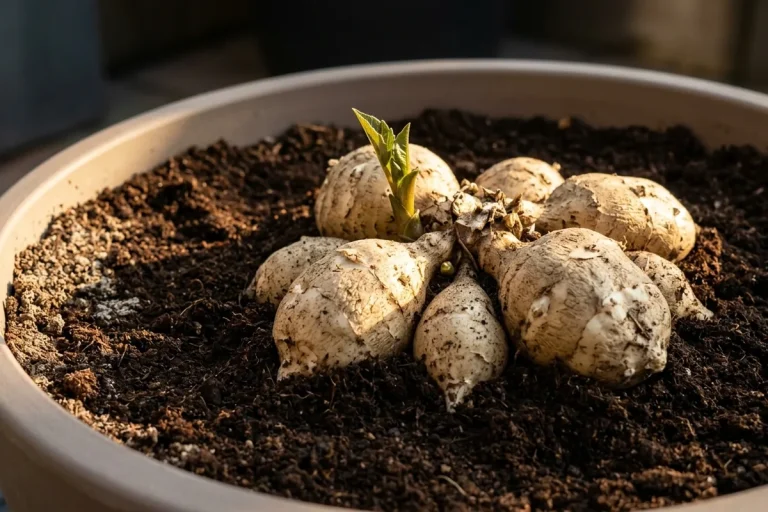
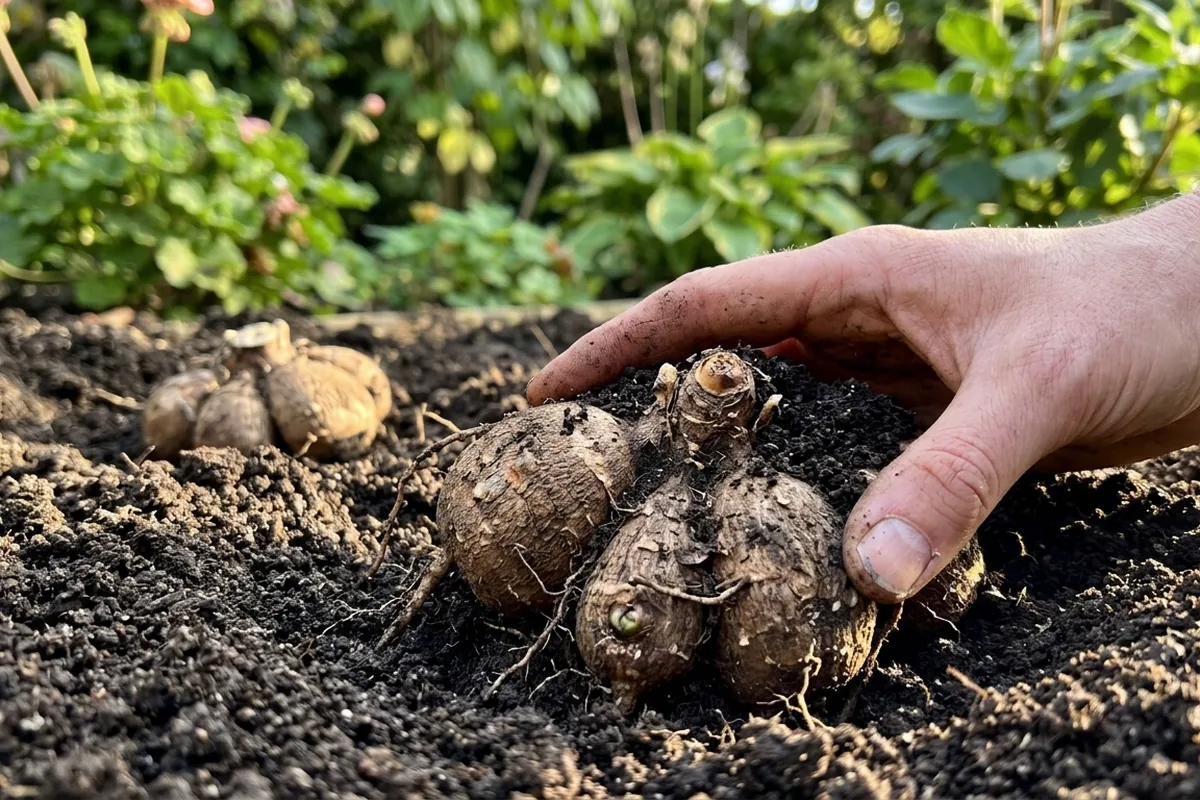
Plant each tuber in a hole about 10–15 cm deep. Lay it so the old stem or “eye” points upwards, with the tuber body spread out like a bunch of bananas underneath. The eye should sit just below soil level, not buried halfway to Australia. If you can see the eye after backfilling, you’ve planted too shallow; if it’s more than a hand’s depth down, it may struggle.
Backfill gently, firming so there are no big air pockets, and water once to settle the soil. If you lift the soil around the tuber the next day and it’s still very wet or cold, hold off further watering until the top few centimetres start to dry.
Space taller varieties 60–75 cm apart, smaller ones 40–50 cm. Crowded plants compete for light and food and usually give fewer, smaller blooms.
Extra steps that make blooms bigger
Once the shoots appear, stake early. Put canes or a sturdy support in while the plant is still small, so you don’t spear the tuber later. Tie stems loosely. Supported plants put more energy into flowers instead of repairing wind damage.
When the main stem reaches about 30–40 cm, pinch out the growing tip between finger and thumb. This feels drastic the first time, but it usually gives more strong side shoots and more flower stems, not one tall, thin plant.
Feed regularly. From early summer, use a high-potash feed (a tomato feed works well) every 10–14 days once buds appear. Avoid overdoing nitrogen-rich feeds, which push lots of foliage at the expense of blooms.
Water deeply in dry spells. A quick splash barely reaches the tubers. Instead, water thoroughly so the moisture goes down to root level, then wait until the top few centimetres have dried before watering again. This is the point where many people water again too soon and end up with soggy, sulking plants.
Deadhead often. Remove spent flowers down to a leaf joint, not just the old petals. Fresh buds swell faster when the plant isn’t wasting energy on seed.
Pots, protection and UK weather quirks
Dahlias do very well in large containers. Use a peat-free, multipurpose compost mixed with a bit of garden soil or grit for weight. Choose a pot at least 35–40 cm wide, with good drainage holes. On a sunny patio, compost can look dry on top but be damp lower down, so a quick finger check tells you more than the surface.
In colder parts of the UK, it often helps to start tubers in pots under cover in March or early April – on a bright, frost-free windowsill, porch or greenhouse – then plant out once the risk of frost has passed. If a late frost is forecast after planting, cover young shoots overnight with fleece or an upturned pot.
With the tuber at the right depth, in warm, well-prepared soil, and with consistent water and feed, dahlias usually repay you with armfuls of flowers. Start by choosing one spot, prepare it well, and plant a single tuber properly – you’ll see the difference by mid-summer.
Reader note
The Flower Expert is an independent gardening publication. Your support helps us keep creating practical plant care guides for everyday UK readers.
This article was created with the assistance of AI and reviewed by an editor. It is intended as general gardening information, not personalised professional advice.
If you still have a question, or if something looks unclear or inaccurate, you can contact us through our contact form.
If you found this article helpful, please consider sharing it on social media or leaving a comment below with your own experience. It helps other readers too.