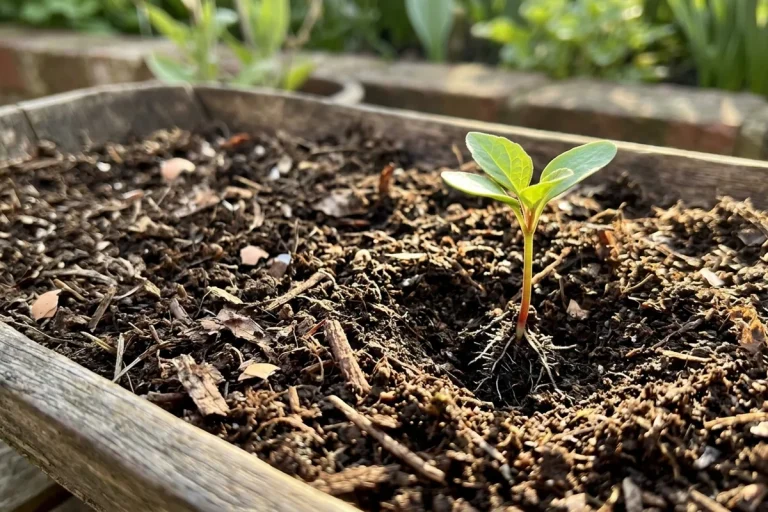

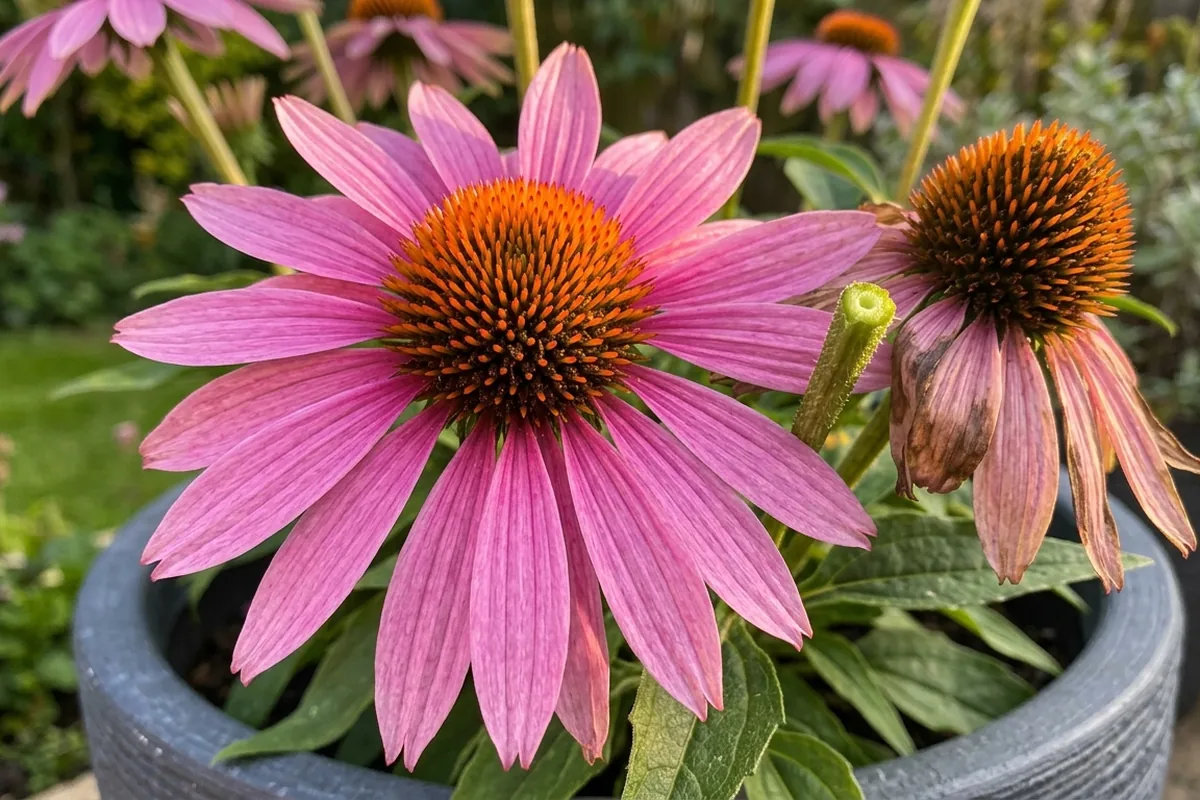
Strong, daisy-like echinacea flowers are surprisingly easy once you get the basics right: sun, sharp drainage and not too much fuss. If your plants are sitting in a border or pot with plenty of leaves but few flowers, or stems that flop after rain, a few small tweaks usually turn things around.
The essentials: position, soil and watering
For both borders and pots, full sun is key. Aim for at least half a day of direct light; a bright but cold north-facing wall or shady corner will give you lots of foliage and fewer flowers.
Echinacea prefer free-draining soil. In most UK gardens, that means lightening heavy ground with grit and garden compost before planting. If water still lingers after rain, raise the planting area slightly into a low mound so the crown never sits in cold, wet soil.
Watering is simple: deep but not often. In the ground, water new plants well for the first season, especially in a dry summer spell, then only in prolonged drought. In containers, let the top few centimetres of compost dry before watering again. If you lift the pot and it still feels heavy, wait.
They are not greedy feeders. Mix a slow-release fertiliser into compost for containers, or use a light general feed in spring on border plants. Too much feed, especially high in nitrogen, often means lush leaves and fewer flowers.
Planting echinacea in borders
Plant from pots in late spring to early summer once the soil has warmed and is no longer cold and sticky.
- Spacing: 35–45 cm apart so air can move between plants and stems stay upright.
- Depth: plant so the crown (where stems meet roots) sits at soil level, not buried.
- Support: in windy spots, a simple ring support put in early keeps taller varieties from leaning after heavy rain.
A mulch of compost in spring helps hold moisture without smothering the crown. Keep mulch a few centimetres back from the stems to avoid rot, especially after a damp spring.
Deadhead by cutting spent flower stems back to a strong leaf joint to encourage more blooms. In late autumn, you can leave the last seedheads for winter interest and birds, then cut down in late winter.
Growing echinacea in containers
Containers suit echinacea well if you give them sharp drainage and enough root room. Choose at least a 25–30 cm pot with drainage holes. Use a peat-free compost mixed with about a third grit or perlite.
Place pots on pot feet or bricks so excess water can escape. If the saucer is still holding water the next morning, tip it away; echinacea dislike sitting in cold, wet compost.
On a sunny balcony or patio, pots can dry quickly in summer. A quick finger check tells you more than the surface of the compost, which often looks dry while it’s still damp below. Water until it runs from the drainage holes, then leave until the pot feels noticeably lighter.
In colder parts of the UK, move pots close to a house wall over winter to give a little extra warmth and shelter. Do not bring them into a heated room; a cool, outdoor winter rest helps them flower well the following year.
With the right light, drainage and a calm approach to watering, echinacea will give you weeks of colour in borders and containers, plus seedheads that look good well into winter. Start by checking where yours are planted and how quickly the compost or soil is drying between waterings.
Reader note
The Flower Expert is an independent gardening publication. Your support helps us keep creating practical plant care guides for everyday UK readers.
This article was created with the assistance of AI and reviewed by an editor. It is intended as general gardening information, not personalised professional advice.
If you still have a question, or if something looks unclear or inaccurate, you can contact us through our contact form.
If you found this article helpful, please consider sharing it on social media or leaving a comment below with your own experience. It helps other readers too.