
Bright rooms are wonderful for flowering houseplants, but too much direct sun, heat from windows and quick-drying compost can quietly exhaust them. If your orchid buds shrivel, your peace lily sulks or your geraniums crisp at the edges, the light is probably fine – it’s everything around it that needs adjusting.
Getting the light right without scorching
Indoor flowering plants usually want bright, indirect light, not harsh midday sun.
- Place orchids, African violets and peace lilies near an east- or north-facing window, or a metre back from a sunny south-facing one.
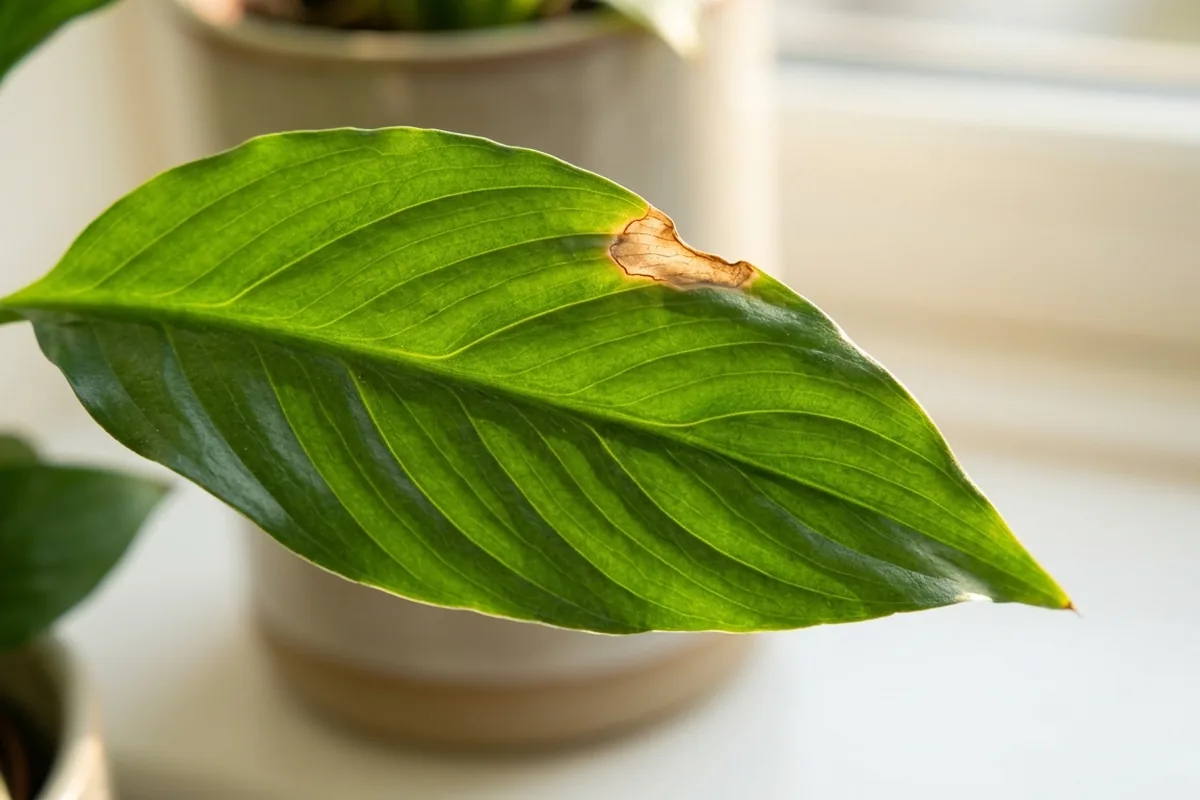
- Sun-lovers such as indoor geraniums, hibiscus and jasmine can sit closer to a bright south or west window, but watch for pale, papery patches – a sign of scorching.
- On a very sunny UK summer day, a thin voile curtain or moving the pot 30–60 cm back from the glass is often enough.
Look at the plant, not just the room: leaves leaning strongly towards one side mean it wants the light, but needs turning. Rotate the pot a quarter turn every week for even growth and flowering.
Water, compost and feeding in bright rooms
Strong light and warm windowsills mean compost dries faster – but not always evenly.
A simple rhythm works well:
- Check the compost with a finger 3–4 cm down. If the top looks dry but feels cool and damp underneath, wait.
- Water thoroughly when needed, until it runs from the drainage holes, then empty the saucer so roots do not sit in water overnight.
- Let the top few centimetres dry before watering again, especially for orchids, geraniums and indoor azaleas.
If the pot still feels unexpectedly heavy, do not rush to water again. This is the point where many people turn a slightly thirsty plant into one with root problems.
In bright homes, flowering plants are often under-fed. From spring to early autumn, use a balanced or flowering plant feed at half strength every 2–3 weeks, following the label. Over winter, reduce or pause feeding unless the plant is clearly in active growth under strong light.
Heat, humidity and keeping the flowers coming
Bright windows can be hot and dry, especially above a radiator.
- Keep plants a little away from radiators and hot, sunny glass. A bright but not baking windowsill is ideal.
- Group plants together on a tray of pebbles with a little water below the stones to gently raise humidity, helpful for orchids and peace lilies.
- Avoid constant misting in cool rooms – it can encourage mould on compost and leaves.
To keep flowers going:
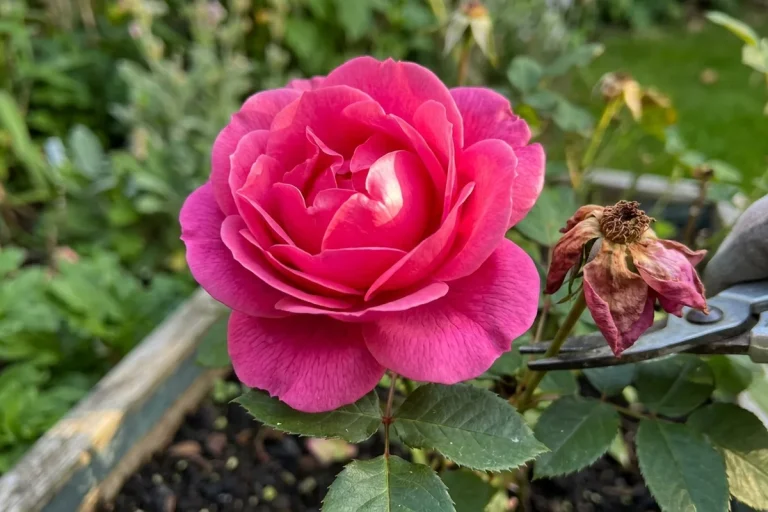
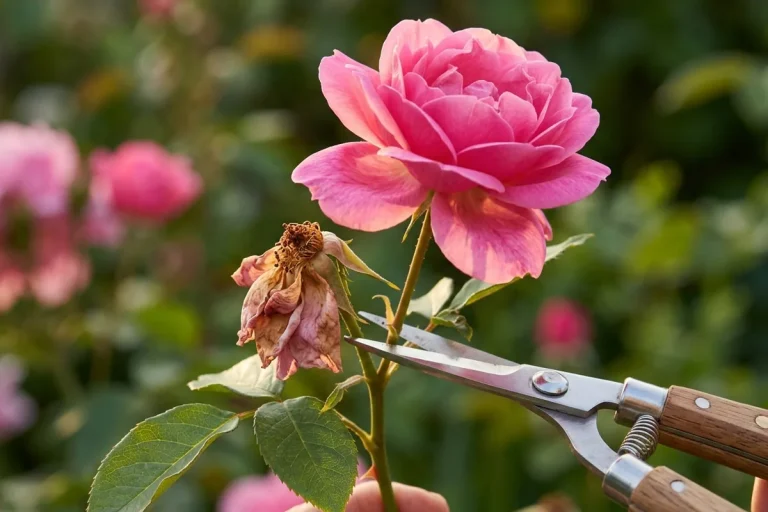
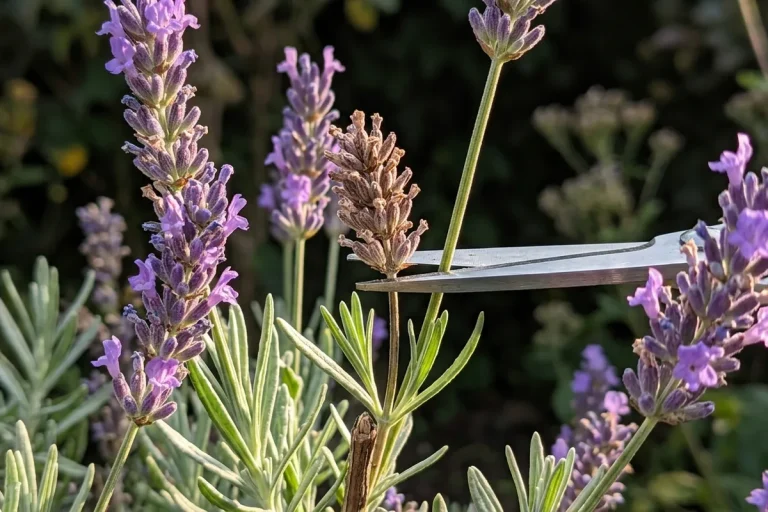
- Deadhead spent blooms on geraniums, cyclamen and kalanchoe – snip or pinch the whole flower stem, not just the petals.
- For orchids, trim the flower spike just above a node once the last flower drops; a side shoot may appear.
- If a plant stops flowering but looks healthy, give it a slightly cooler night temperature and keep the light bright – many need this contrast to form new buds.
If the leaves look worse after every “fix”, stop changing several things at once. Go back to basics: light, watering, drainage and feed. A week of calm, consistent care often tells you more than another new treatment.
A quick check today – how dry the compost really is, how close the pot is to the glass, whether the saucer is still wet – will usually show you the one small adjustment your flowering plants need to stay happy in a bright UK home.
Reader note
The Flower Expert is an independent gardening publication. Your support helps us keep creating practical plant care guides for everyday UK readers.
This article was created with the assistance of AI and reviewed by an editor. It is intended as general gardening information, not personalised professional advice.
If you still have a question, or if something looks unclear or inaccurate, you can contact us through our contact form.
If you found this article helpful, please consider sharing it on social media or leaving a comment below with your own experience. It helps other readers too.