
The easiest way to start is to think about what you actually see from the house in winter. If you’re looking out at a flat, grey, soggy patch with a few sad stems, you’re not alone. Winter colour comes from more than flowers: bark, berries, evergreens and simple shapes all earn their keep when the days are short.
Simple changes that add instant winter impact
Begin with structure – the bones of the garden. Once that’s right, colour is much easier.
- Evergreen anchors: A couple of well-placed evergreens will hold the whole scene together. Think yew or box balls in borders, a pair of bay or Portuguese laurel in pots by the door, or a narrow holly in a small garden. If a border looks empty and flat, one evergreen shrub towards the back will often fix it.
- Winter pots near the door: You notice what you pass every day. Fill a couple of sturdy containers with skimmia, heuchera, ivy and winter-flowering pansies or violas. If the compost looks dry on top but the pot still feels heavy, wait – winter pots are easily overwatered.
- Coloured stems and bark: Dogwoods (Cornus alba ‘Sibirica’, Cornus sanguinea ‘Midwinter Fire’) and willows give fiery stems from late autumn. Plant in a group rather than dotted about; a small thicket in a damp corner or by a fence looks far more striking.
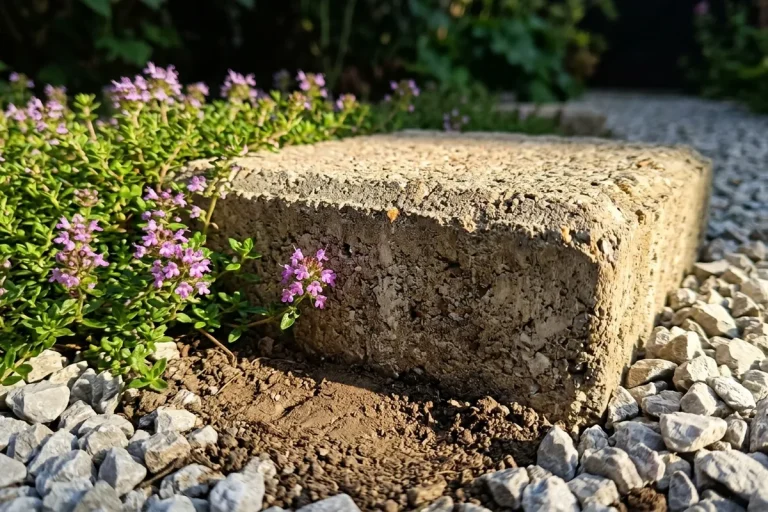
- Low-maintenance ground cover: Evergreen grasses such as Carex, or hardy geraniums that keep a green base, stop the eye falling onto bare soil. This is especially helpful in front gardens where you see every gap from the pavement.
Plants that really earn their keep in winter
Look for plants that offer more than one thing – scent plus flower, or berries plus good shape.
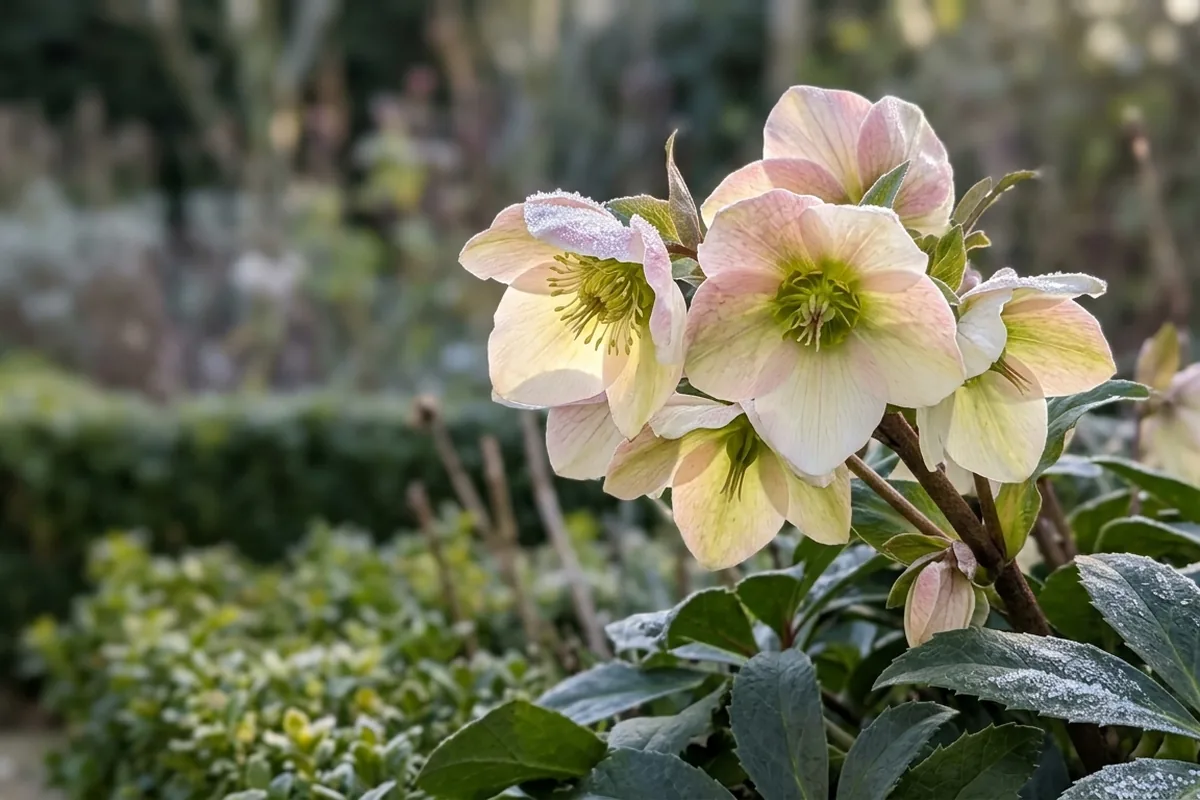
- Hellebores: Flower from mid-winter into spring, even in a cold snap. Plant them where you can look down on the flowers – by a path, steps or under a deciduous shrub.
- Winter-flowering shrubs: Sarcococca (sweet box), Daphne odora, Viburnum x bodnantense and Lonicera fragrantissima bring powerful scent on mild days. One well-placed shrub near a path is better than three hidden at the back.
- Berries and hips: Cotoneaster, pyracantha and holly keep berries into winter if the birds leave you some. On roses, leave some hips on varieties that colour well; you can still prune lightly to keep the shape.
- Evergreen texture: Mahonia, skimmia, hebes and small conifers give solid winter presence. If your garden feels “bitty”, repeating the same evergreen two or three times calms it down.
Using light, edges and height to shape the view
In winter, edges and outlines matter as much as flowers.
Neaten paths, lawn edges and the line of borders. A crisp curve or straight edge instantly makes the garden feel more deliberate, even if there’s not much in leaf. This is the point where many people rush to buy more plants, when a sharp edge and cleared dead stems would do more.
Add a vertical or two: an obelisk, arch, simple hazel wigwam or a narrow trellis panel. A bare climber like a clematis or rose still gives structure when it’s trained neatly.
Think about light. A pale fence, a pot in a soft stone colour or a silver-leaved plant (brunnera, hebe, some euonymus) will bounce what little light there is. On a dull January afternoon, that makes a surprising difference from the kitchen window.
Finally, check what you can see when you’re sitting down indoors. You may only need to shift one pot or add a small shrub to transform that particular view.
Start with one area you look at most – the back border from the sofa, or the front path from the hallway – and give it an evergreen anchor, a winter-flowering plant and a clear outline. Once that part works, the rest of the garden is much easier to plan around.
Reader note
The Flower Expert is an independent gardening publication. Your support helps us keep creating practical plant care guides for everyday UK readers.
This article was created with the assistance of AI and reviewed by an editor. It is intended as general gardening information, not personalised professional advice.
If you still have a question, or if something looks unclear or inaccurate, you can contact us through our contact form.
If you found this article helpful, please consider sharing it on social media or leaving a comment below with your own experience. It helps other readers too.