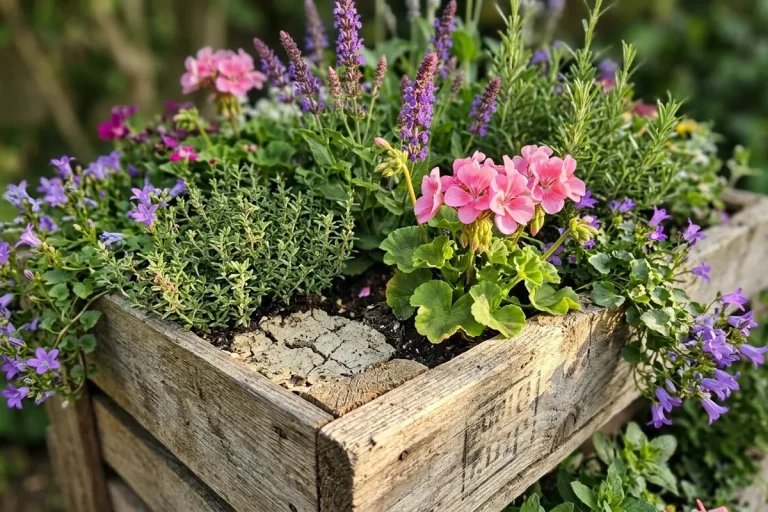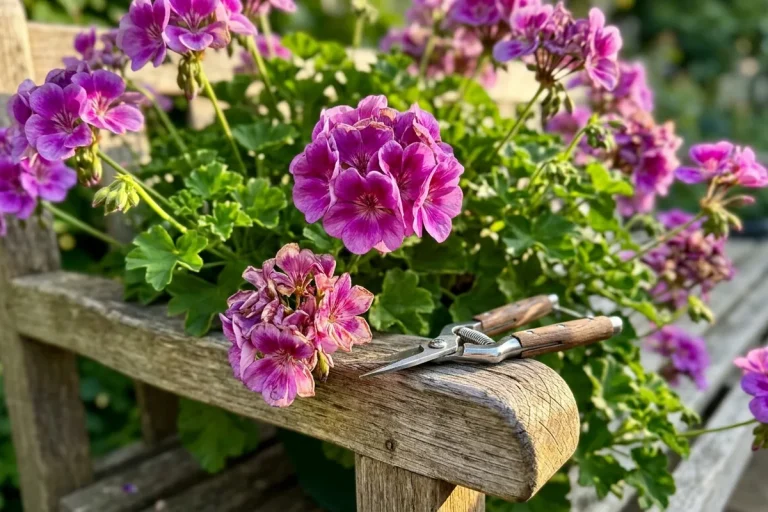

The easiest way to start foodscaping is to stop thinking of veg beds and flower borders as separate worlds. If your patio pots are full of petunias but the salad is hiding in a corner, or your raised bed looks useful but dull, you can gently blend the two.
Simple planting ideas you can copy this weekend
Foodscaping works best when each plant earns its place for looks and for harvest. Think in layers and contrasts, not rigid rows.
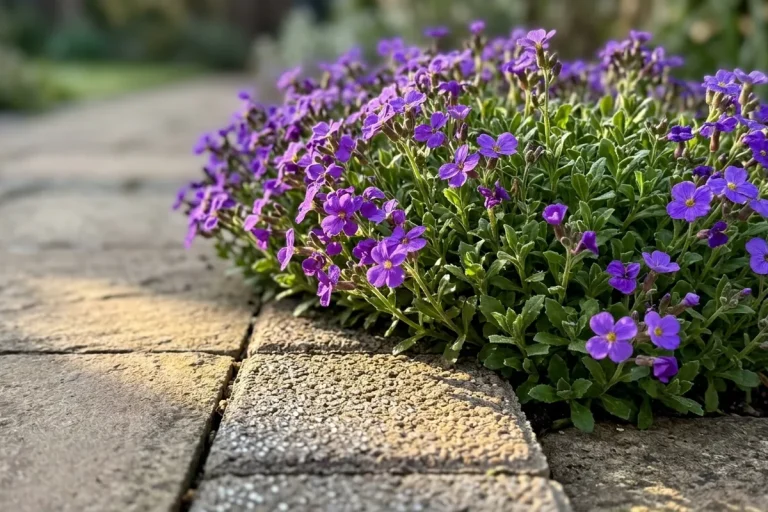
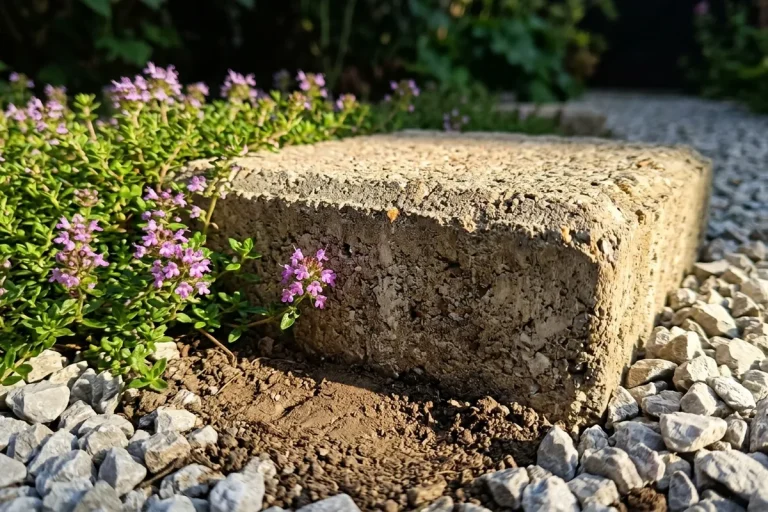
- Front edge: low herbs such as thyme, chives and parsley make neat edging instead of box. They soften the line of a path, and you can snip them on the way to the kitchen.
- Middle layer: compact veg with good foliage – lettuces, beetroot, rainbow chard, curly kale. Red and lime-green lettuces look like bedding plants if you keep picking outer leaves.
- Back or centre: taller structure from flowers – foxgloves, verbena bonariensis, cosmos, sunflowers – with climbing beans or peas threaded through supports.
In a small UK garden or balcony, use mixed containers rather than separate pots:
- A large pot with a dwarf tomato, trailing basil, and marigolds.
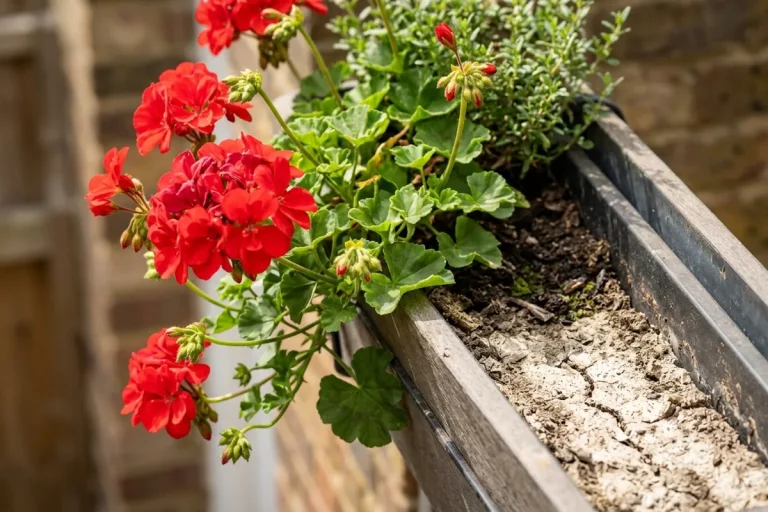
- A long trough with cut-and-come-again lettuce, violas and chives.
- A deep container with French beans on canes, underplanted with nasturtiums.
If you lift the pot and it still feels heavy, wait before watering again – leafy veg in containers hate sitting in cold, wet compost.
Flowers that earn their keep in the veg patch
Some flowers are not just pretty; they help with pollination and pests and make the whole space feel more like a garden than an allotment.
Good multi-taskers include:
- Calendula (pot marigold): bright orange and yellow, edible petals, brings in pollinators.
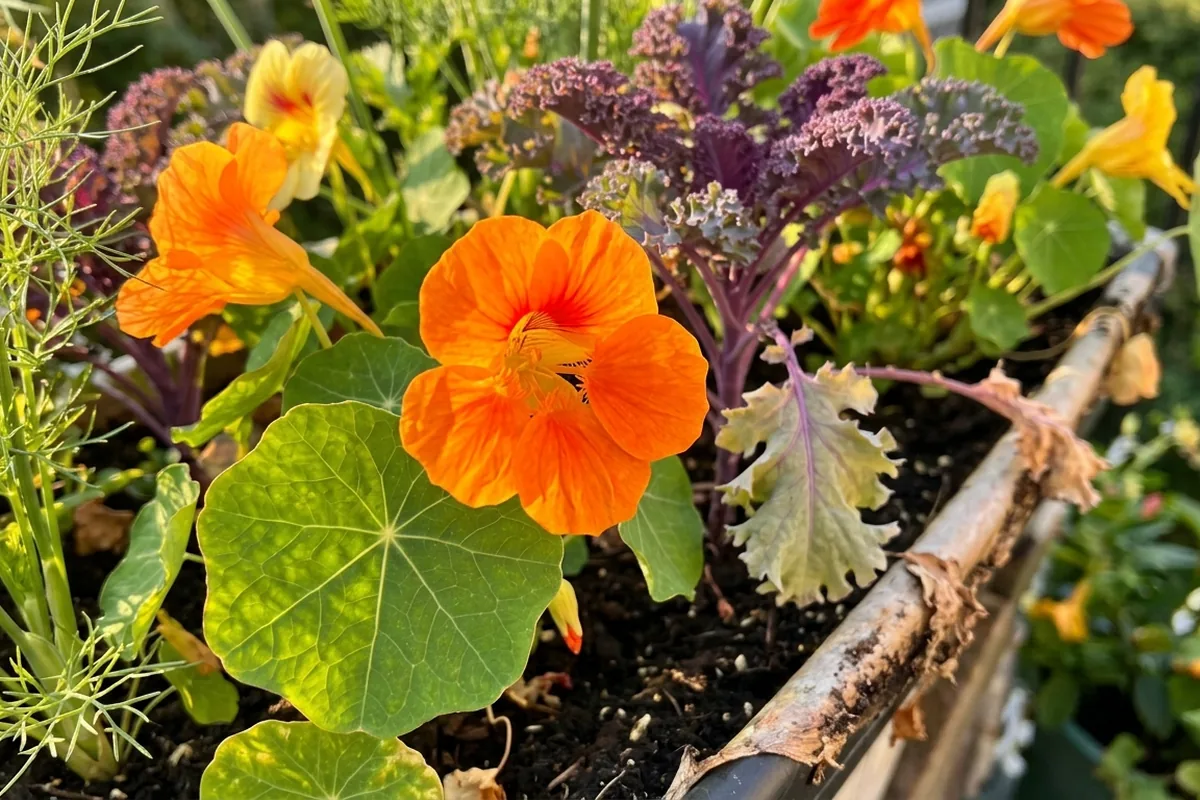
- Nasturtiums: trail or climb, edible leaves and flowers, often distract blackfly from beans.
- Tagetes (French marigolds): strong colour blocks, can help confuse pests.
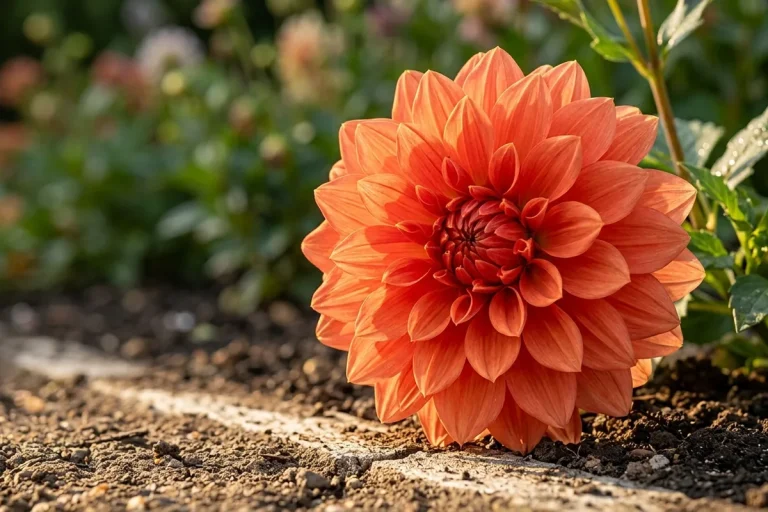
- Cosmos and dahlias: excellent for cutting, draw in bees and hoverflies.
Dot these through rows of carrots, leeks or cabbages rather than keeping them in a separate bed. The useful clue is not one flower, but the overall mix of shapes and heights – you want it to look like a relaxed border, not stripes.
Keeping it productive and tidy, not messy
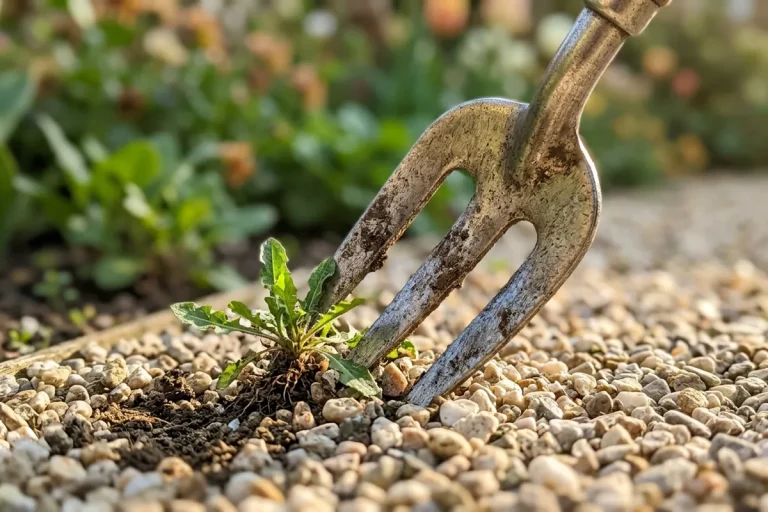
Foodscaping can tip into chaos if you never thin, stake or clear. A few quiet habits keep it looking intentional.
- Repeat colours: for example, purple beans, beetroot leaves and dark dahlias give a thread of richness through the bed.
- Use proper supports: wigwams for beans, simple stakes for taller flowers, so nothing flops over lettuces after rain.
- Harvest often: pick outer leaves of lettuce and chard, cut herbs regularly. If the leaves look worse after every ‘fix’, stop adding more plants and sort light, water and space first.
- Refresh gaps: when a lettuce or annual flower finishes, tuck in a new herb, late salad, or a small pot-grown dahlia from the garden centre.
Before you buy anything else, stand back and look: where is there a flat, empty patch of soil, or a row that feels too stiff? Replacing one straight line with a mixed strip of herbs, flowers and salad is usually enough to change the feel of the whole area.
Start with one bed, pot or trough and mix just three things – a flower, a herb, a vegetable. Once you see how well they share space, it becomes much easier to repeat the idea across the garden.
Reader note
The Flower Expert is an independent gardening publication. Your support helps us keep creating practical plant care guides for everyday UK readers.
This article was created with the assistance of AI and reviewed by an editor. It is intended as general gardening information, not personalised professional advice.
If you still have a question, or if something looks unclear or inaccurate, you can contact us through our contact form.
If you found this article helpful, please consider sharing it on social media or leaving a comment below with your own experience. It helps other readers too.