
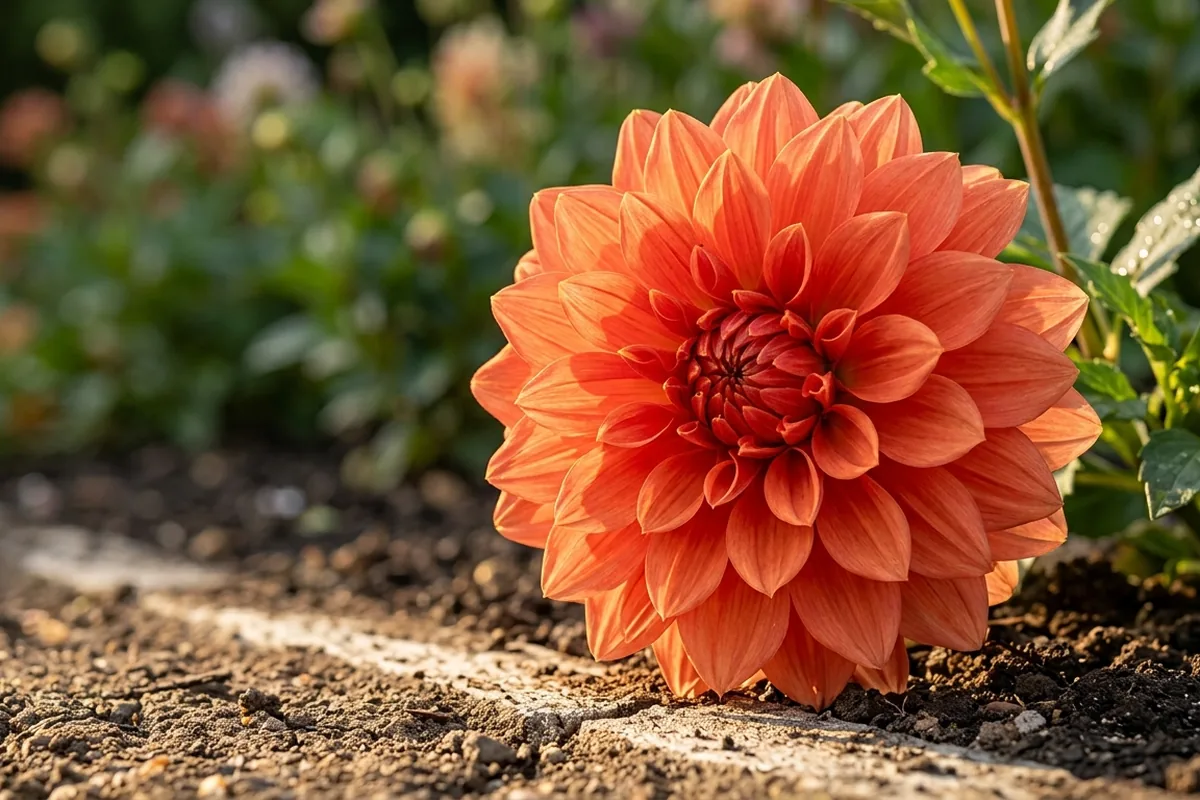
The most useful trends are the ones that actually make your plants healthier and your garden easier to look after. If you are looking at a tired border, a thirsty patio pot or a houseplant that sulks every winter, these are the shifts for 2026 that genuinely help, rather than just look good on social media.
The 2026 trends that really earn their space
1. Climate‑ready planting, not just “drought tolerant”
We are moving from lists of “tough plants” to small, mixed plantings that cope with swings – wet springs, hot spells, sudden wind. Think:
- Deep‑rooted perennials (perovskia, rudbeckia, echinacea)
- Grasses for movement and resilience (panicum, sesleria)
- A few shrubs for structure (pittosporum, smaller viburnums)
The idea is to layer heights and roots, so moisture is held better and soil is shaded. If your border bakes in August and squelches in April, this mixed approach is far more forgiving than a row of identical shrubs.
2. Fewer pots, better pots
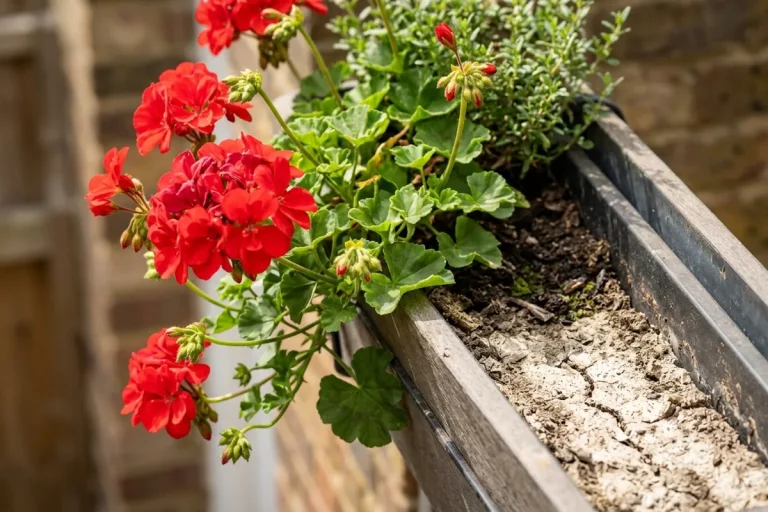
Instead of dozens of small containers that dry out by lunchtime, 2026 is about larger, better‑insulated pots with fewer, stronger displays. One big container on a patio often needs less water than three tiny ones.
Look for:
- Deep, frost‑proof pots with drainage holes
- Water‑retentive peat‑free compost plus a little garden soil
- Simple planting: one main plant, two or three companions
If you lift the pot and it still feels unexpectedly heavy, wait before watering again – big pots hide moisture lower down.
3. Multi‑use spaces: flowers that earn their keep
More of us are asking plants to do two or three jobs: look good, feed pollinators and sometimes feed us. Trend‑led, but very practical.
Good examples:
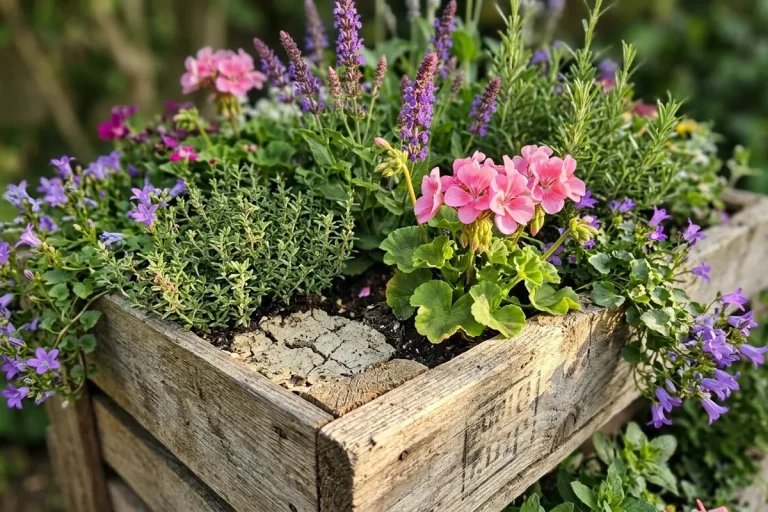
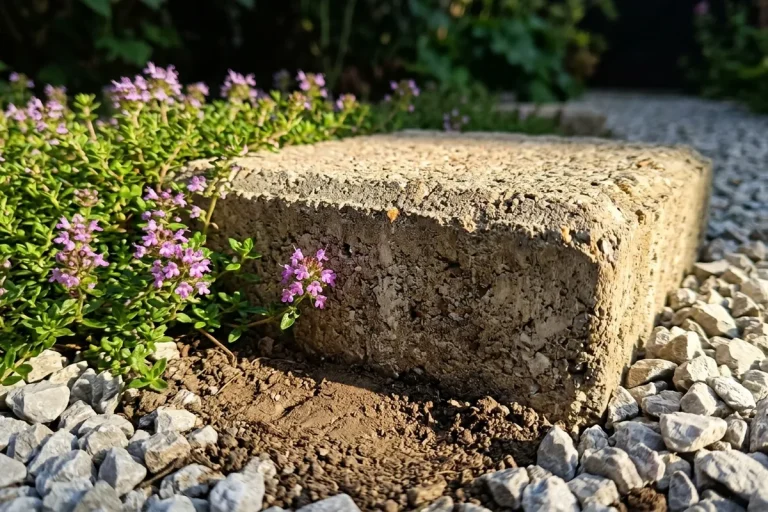
- Lavender, thyme, chives and rosemary in a sunny front garden
- Compact fruit bushes in flower borders
- Dahlias, cosmos and scabious mixed with herbs for cutting and insects
The useful clue is not one flower, but how alive the planting sounds on a warm day – buzzing means you are on the right track.
Quiet tech and low‑effort care
4. Smarter watering, not more gadgets
Battery timers on outside taps, simple drip lines and watering spikes for big houseplants are becoming standard. They do not replace you; they smooth out extremes.
Set timers so borders get occasional deep soaks, not a daily sprinkle. Indoors, a quick finger check into the compost still matters more than any gadget. If the top looks dry but it is damp 3–4 cm down, wait.
5. Peat‑free done properly
By 2026, the trend is less “peat‑free panic”, more learning the new materials. Peat‑free composts:
- Often drain faster on top
- Hold water lower down
- Benefit from regular feeding
So, water slowly, let it soak in, then empty saucers the same day. Feed container plants little and often with a balanced liquid feed, following the label.
Small‑space and balcony planting that actually survives
The fashion for lush balcony gardens is settling into something more realistic: plants that cope with wind, heat off brick walls and limited compost.
For a typical UK balcony or small patio:
- Choose tough, compact shrubs (hebe, dwarf buddleja, small bay)
- Add long‑flowering perennials in deep troughs
- Use one or two hanging baskets only where you can reach to water
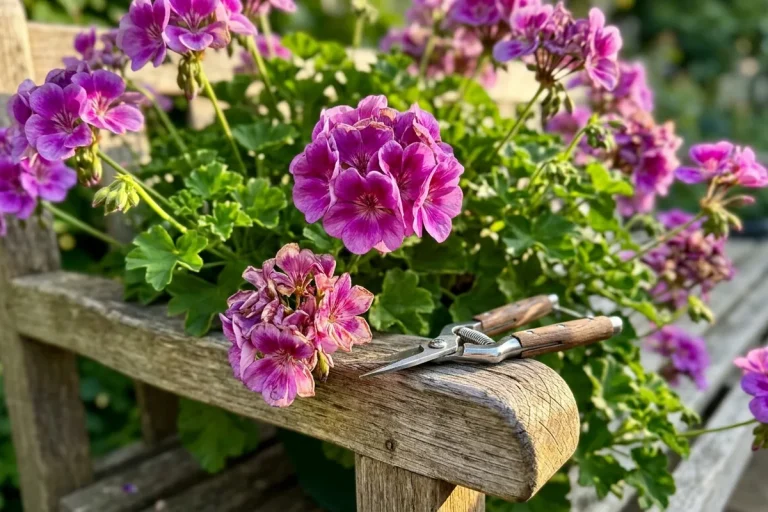
A bright but cold windowsill? Go for seasonal displays in small pots (mini narcissi in late winter, pelargoniums in summer) rather than one struggling tropical houseplant.
Before you follow any glossy trend, look at your light, your wind, your watering habits. Matching the idea to your real conditions is what turns a fashion into something that quietly works, season after season.
Reader note
The Flower Expert is an independent gardening publication. Your support helps us keep creating practical plant care guides for everyday UK readers.
This article was created with the assistance of AI and reviewed by an editor. It is intended as general gardening information, not personalised professional advice.
If you still have a question, or if something looks unclear or inaccurate, you can contact us through our contact form.
If you found this article helpful, please consider sharing it on social media or leaving a comment below with your own experience. It helps other readers too.