
The key to long flowering roses is stopping them from wasting energy on seed. Once a bloom fades, the plant’s instinct is to make hips, not more flowers. Deadheading gently interrupts that process and nudges it back into bloom.
If you’re seeing a flush of lovely roses, followed by a lull and lots of brown, papery flowers hanging on, this is exactly the moment to step in.
Where to cut without weakening the plant
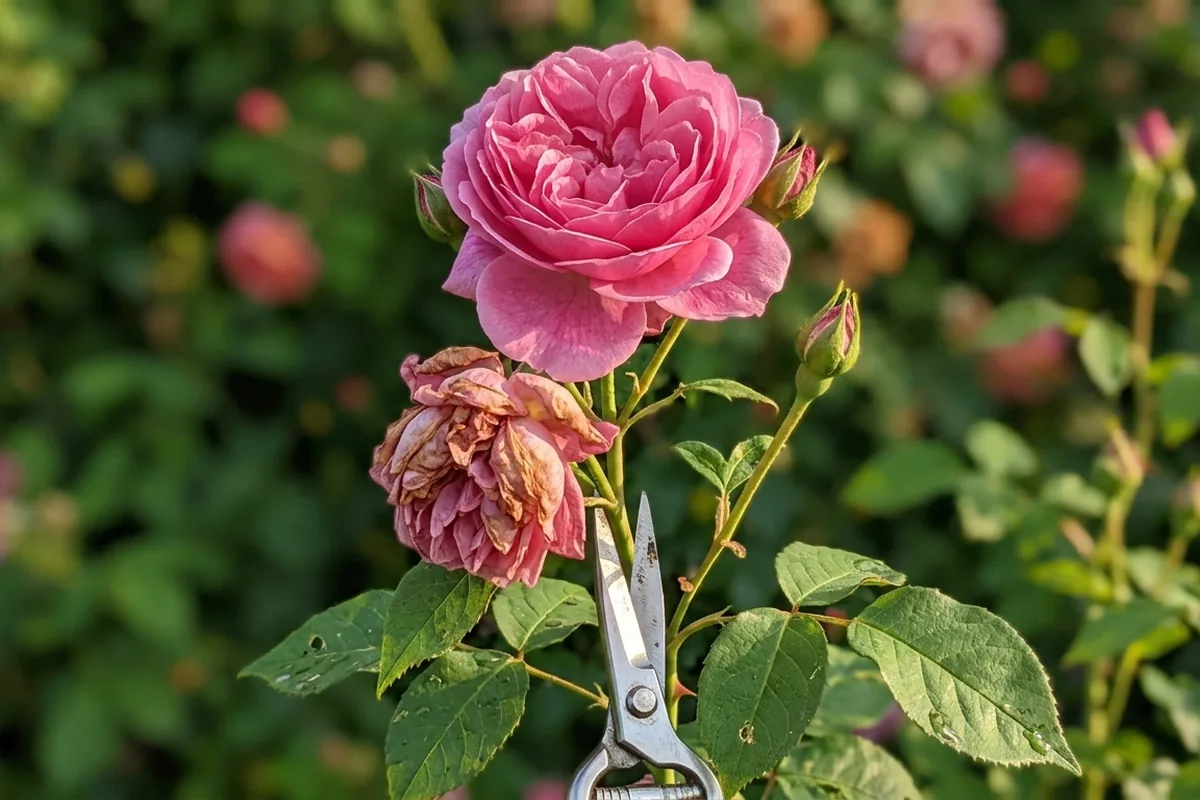
Deadheading is simply removing spent blooms cleanly, without damaging healthy growth.
For most repeat-flowering bush roses (hybrid teas, floribundas, many shrub roses):
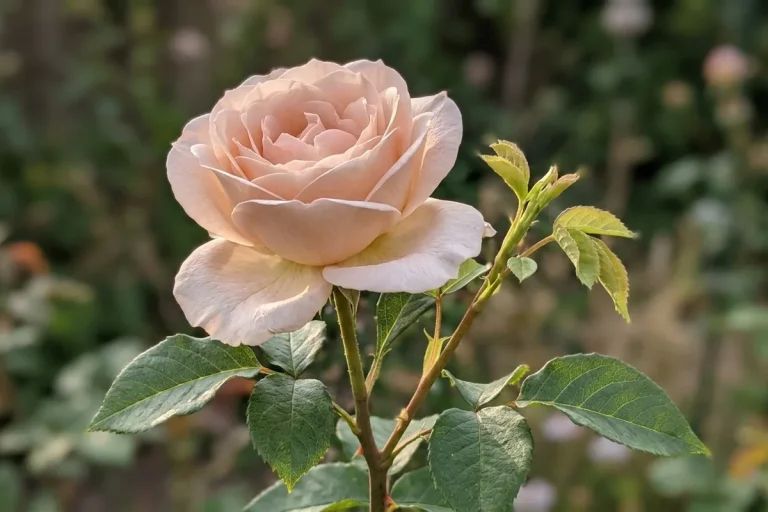
- Follow the spent flower down the stem to the first strong, five‑leaflet leaf.
- Cut just 5–8 mm above that leaf, at a slight angle, with sharp secateurs.
- Cut so the outward-facing bud is on the upper side of your cut. This encourages growth away from the centre, keeping the plant airy.
For cluster-flowering roses (floribundas, some patio roses), wait until most of the cluster is over, then:
- Snip out the whole cluster down to a strong leaf or side shoot.
- If one flower in a cluster goes brown early, you can just remove that single bloom.
For rambling or once-flowering old roses, deadheading does not usually bring more flowers that year. You can still remove tatty blooms for neatness, but it’s not essential. If you enjoy the hips in autumn, leave the faded flowers on.
A quick check: if the stem feels thin and whippy just below the flower, do not cut too low. You want to leave enough leafy growth for the plant to feed itself.
When and how often to deadhead
Start deadheading as soon as petals begin to fall or the flower looks papery and dull, rather than waiting until it turns brown and dry.
- Check roses once or twice a week in peak summer.
- Take a small trug or bucket and do a quick round while you’re already outside.
- If you lift a stem and old petals drop everywhere, that bloom is ready to go.
This is the point where many people leave faded flowers “for the bees”. Pollinators use the open, fresh blooms far more than the spent ones, so removing old flowers actually helps by encouraging more new ones.
Avoid deadheading late in the season if you want hips. Around early autumn, you can stop cutting and let the last flowers turn to fruit, which also signals the plant to slow down for winter.
Small details that make a big difference
A few quiet habits help roses respond better to deadheading:
- Use clean, sharp tools. Dirty secateurs can spread disease and crush stems.
- Cut in dry weather if possible, so cuts seal quickly.
- Remove any mouldy petals caught in the centre of blooms; they can hold moisture and encourage rot.
- Feed and water well. A rose that’s deadheaded but underfed or bone dry will still struggle to repeat flower. In a dry summer spell, a deep soak once a week is better than a light splash every day.
If your rose is not repeating even with regular deadheading, check the label or look it up – some traditional and species roses naturally flower once, then focus on hips.
Before you next water or feed, take two minutes to walk round the garden and snip off anything that looks past its best. Done regularly, deadheading becomes a quick habit, and most modern roses will reward you with a much longer, tidier display.
Reader note
The Flower Expert is an independent gardening publication. Your support helps us keep creating practical plant care guides for everyday UK readers.
This article was created with the assistance of AI and reviewed by an editor. It is intended as general gardening information, not personalised professional advice.
If you still have a question, or if something looks unclear or inaccurate, you can contact us through our contact form.
If you found this article helpful, please consider sharing it on social media or leaving a comment below with your own experience. It helps other readers too.