
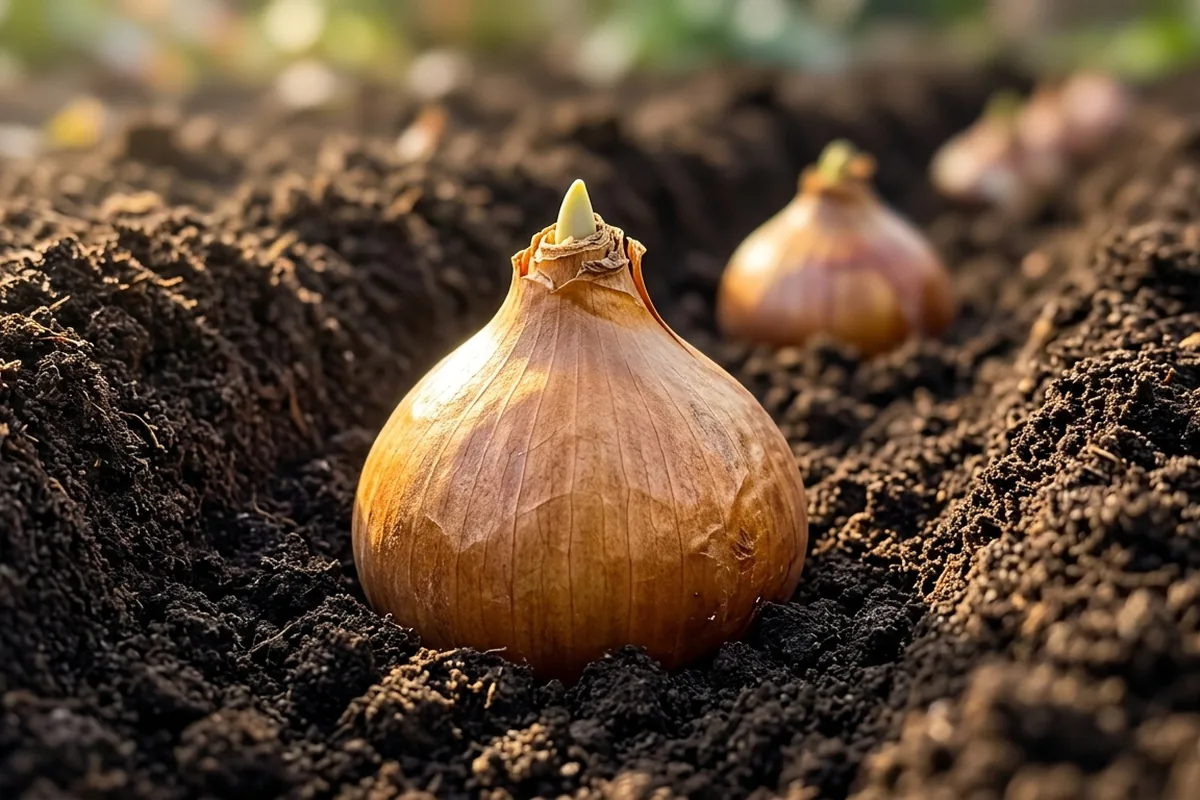
For a long spring show, the secret is not just which bulbs you buy, but how you plant and layer them. If you’ve had a few brave daffodils and then bare soil by April, the spacing, depth or timing were probably off rather than the bulbs themselves.
The basics that make bulbs last
Think of bulbs as batteries: they only flower well if they can recharge after blooming.
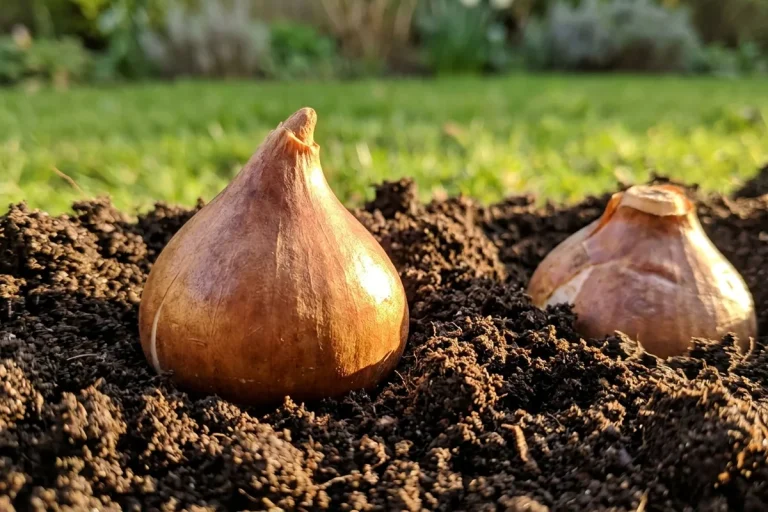
- Choose healthy bulbs. Firm, heavy, with no soft spots, mould or deep cuts. A shrivelled bulb will rarely perform well.
- Use well-drained soil or compost. Bulbs hate sitting in cold, wet compost. In heavy clay, add grit and compost, or plant in raised beds or large containers.
- Plant at the right depth. A good rule is about three times the bulb’s own height from bulb base to soil surface. Tulips slightly deeper (15–20 cm), small bulbs like crocus and muscari around 8–10 cm.
- Pointed end up. If you’re unsure, lay the bulb on its side; it will sort itself out.
When you water after planting, water once to settle the compost, then leave them. If you lift the pot and it still feels heavy the next day, don’t water again.
Layering bulbs for months of colour
To get a long display, plant in layers so different bulbs take turns.
In a border or a deep pot (at least 25–30 cm):
1. Bottom layer – late stars
Tulips or late daffodils at the deepest level. Add a little compost over them.
2. Middle layer – mid-season
Standard daffodils, hyacinths or larger alliums. Cover again with compost.
3. Top layer – early sparks
Crocus, dwarf iris, muscari or species tulips nearer the surface, then finish with compost to the rim.
Leave a bit of space between bulbs so they’re not touching. You’re aiming for a full look, not bulbs jammed edge to edge.
In containers, use peat-free compost mixed with grit, and make sure there are drainage holes. A saucer that’s still full of water the next morning is a sign to ease off.
Aftercare that keeps bulbs flowering every year
The flowering is only half the job; the recharge happens afterwards.
- Do not cut foliage too soon. Let leaves yellow and flop before removing. This is the point where many people tidy too early and weaken next year’s flowers.
- Deadhead spent blooms. Snip off faded flowers so the bulb doesn’t waste energy making seed.
- Feed lightly in spring. A balanced slow-release fertiliser or a liquid feed in the watering can while leaves are green can help, especially in pots. Always follow the packet.
- Watch for waterlogging. In a damp spring, check that pots are draining and borders aren’t sitting under puddles.
If a clump has given fewer flowers, lift and divide in late summer or early autumn. Replant the biggest bulbs at the proper depth and spread them out; you often gain extra patches for free.
Planting bulbs thoughtfully once, with layers, depth and drainage in mind, gives you a spring that starts with the first crocus and runs on through tulips and alliums. Choose one pot or a small border to try this layering method next planting season, and you’ll see the difference when spring arrives.
Reader note
The Flower Expert is an independent gardening publication. Your support helps us keep creating practical plant care guides for everyday UK readers.
This article was created with the assistance of AI and reviewed by an editor. It is intended as general gardening information, not personalised professional advice.
If you still have a question, or if something looks unclear or inaccurate, you can contact us through our contact form.
If you found this article helpful, please consider sharing it on social media or leaving a comment below with your own experience. It helps other readers too.