
Shady corners can feel stubbornly green: plenty of leaves, but hardly any flowers. You might have a fence, a north-facing wall or a tree that keeps a bed in shade for most of the day, and anything sun-loving simply sulks. The good news is that some plants genuinely prefer this, and will still give you strong colour.
If your shady spot is dull, damp and mostly moss, or a narrow side passage that never really dries, there are flowers that will cope – and even look better – out of full sun.
The best flowers for different kinds of shade
First, notice the type of shade. Is it cool and bright, or gloomy and wet? This makes a big difference.
- Dappled or light shade (under open trees, east-facing beds)
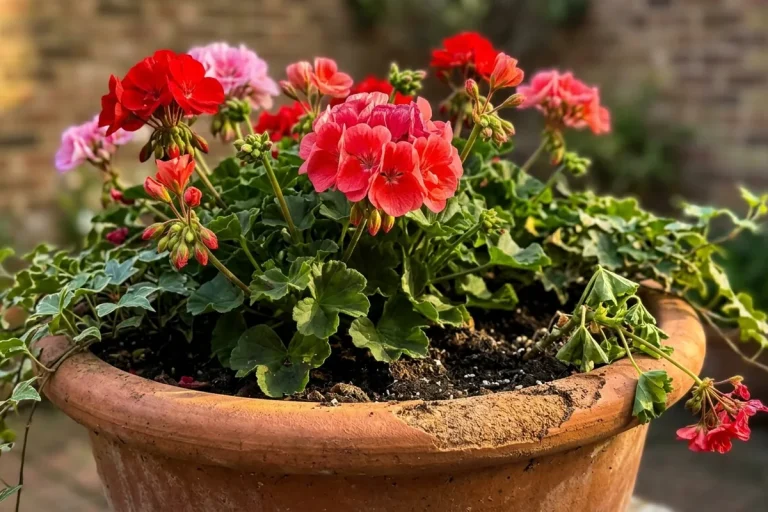
- Hardy geraniums (cranesbills) – Especially varieties like ‘Rozanne’ or ‘Johnson’s Blue’. Long-flowering, relaxed, and good at weaving through other plants.
- Foxgloves (Digitalis) – Tall spires in creams, pinks and purples. Ideal at the back of a shady border; they’ll usually seed around gently.
- Aquilegia (granny’s bonnet) – Delicate late-spring flowers in many colours, happy in cool, not-too-dry soil.
- Japanese anemones – Late-summer colour in pinks and whites, perfect where other things are starting to fade.
- Part to full shade, moist soil
- Astilbes – Feathery plumes in white, pink, red. They really shine in damp shade; the foliage is attractive even when not in flower.
- Primroses and primulas – Early-spring colour in borders or pots. They enjoy cool, moist ground and will often spread into a cheerful clump.
- Hostas (for foliage plus flowers) – Grown mainly for leaves, but their summer flower spikes add soft lilac or white.
- Dry shade (under hedges, close to walls)
- Geranium macrorrhizum – Scented foliage and pink or magenta flowers, very tolerant of dry, rooty conditions.
- Euphorbia amygdaloides var. robbiae – Evergreen rosettes and lime-green bracts. Not a “flower show” plant, but it brings real brightness.
- Lungwort (Pulmonaria) – Spotted leaves and blue, pink or white spring flowers; good under shrubs where the soil is not completely dust-dry.
If you’re not sure what you have, look at the soil on a dry day. If it’s still cool and slightly damp when nearby beds are cracking, you probably have moist shade.
Pots and small spaces: colour in shady corners
Shady patios, balconies and steps can be lifted with containers. These dry out more quickly than borders, even in shade, so check the compost rather than watering “by habit”.
Good options for shady pots:
- Busy Lizzies (Impatiens) – Classic bedding for shade, giving months of colour if you keep them watered and deadhead lightly.
- Begonias – Tuberous or bedding types will flower well in shade and cope with a damp summer. Avoid letting compost stay soggy; if the saucer is still full the next morning, tip it away.
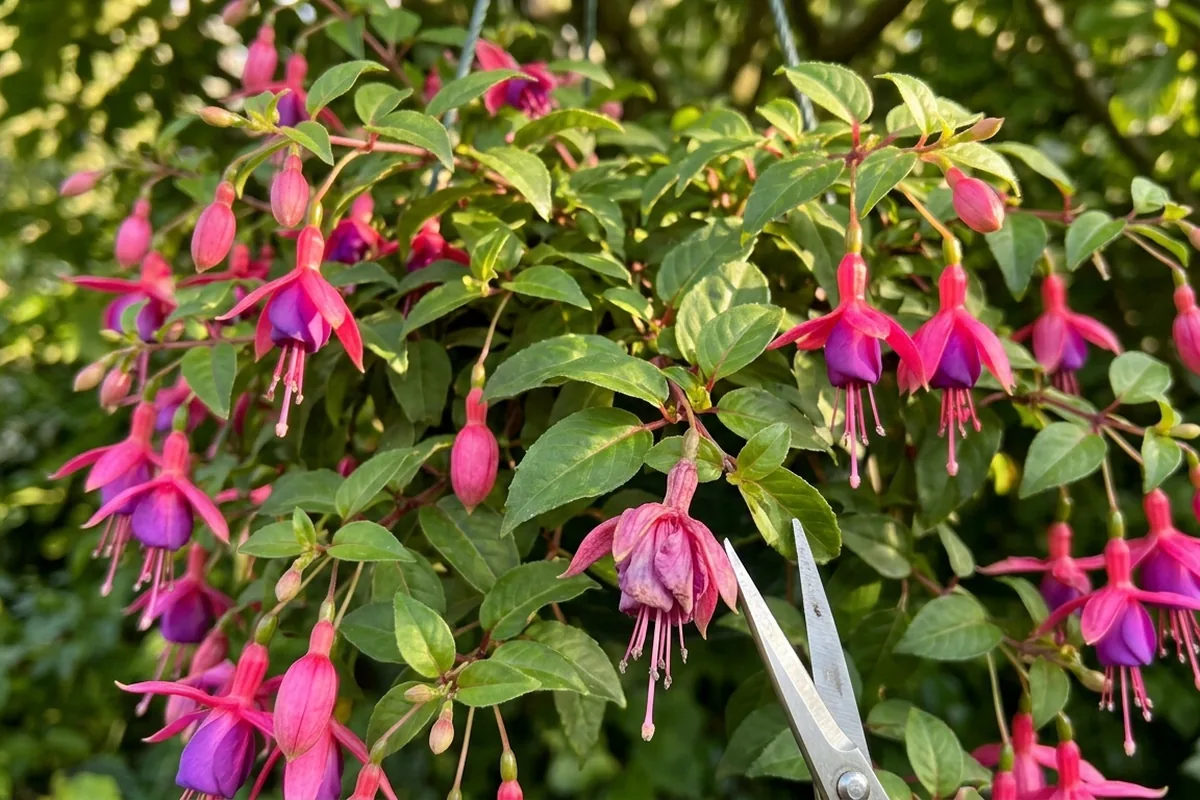
- Fuchsias – Hardy or half-hardy, they enjoy cool conditions and filtered light, and flower over a long season.
- Heucheras – Grown for foliage in rich limes, purples and bronzes, but many also have airy flower stems that draw the eye.
Use a peat-free compost, add a little slow-release fertiliser, and turn the pot every few weeks so growth stays even, especially against a wall.
Simple ways to help shade-lovers thrive
Shade plants still need a few basics right:
- Improve the soil – Work in garden compost or leaf mould to help roots spread and hold moisture, especially in dry shade.
- Plant at the right depth – Crowns and bulbs should sit at the depth recommended on the label; too shallow and they dry, too deep and they may rot.
- Water deeply, not constantly – Let the top few centimetres dry slightly, then water so it reaches the roots. A quick finger check tells you more than the surface.
- Use contrast – Mix bold foliage (hostas, ferns, heucheras) with flowering plants so the area looks interesting even between flushes of bloom.
Once you match the right plant to the right kind of shade, those difficult corners stop feeling like a problem and become some of the most reliable parts of the garden. Start with one small area, add two or three of the plants above, and watch how much softer – and more colourful – that shade begins to look.
Reader note
The Flower Expert is an independent gardening publication. Your support helps us keep creating practical plant care guides for everyday UK readers.
This article was created with the assistance of AI and reviewed by an editor. It is intended as general gardening information, not personalised professional advice.
If you still have a question, or if something looks unclear or inaccurate, you can contact us through our contact form.
If you found this article helpful, please consider sharing it on social media or leaving a comment below with your own experience. It helps other readers too.