
When borders bake in July, many lush plants collapse, brown at the edges and demand constant watering. If your pots are crisping between evening waterings or the lawn is yellowing, switching to genuinely drought-tolerant flowers makes summer feel far less stressful.
The top 8 flowers that cope when rain disappears
These are tough choices for UK heatwaves and dry spells, still with good colour and texture.
- Lavender (Lavandula angustifolia)
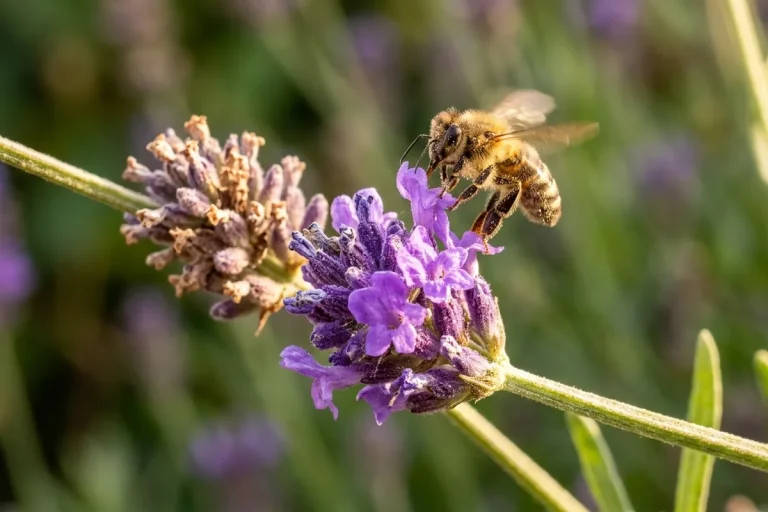
Classic for a reason. Lavender loves poor, free-draining soil and full sun. Once established, it usually hates overwatering more than drought. Trim lightly after flowering to keep it compact and full of blooms the next year.
- Verbena bonariensis
Tall, airy stems with lilac flower clusters that float above other plants. Excellent in dry borders and gravel gardens, and brilliant for pollinators. If stems lean after wind or rain, simply stake discreetly or cut back for fresh growth.
- Gaillardia (blanket flower)
Warm red, orange and yellow daisies that flower for months. They prefer sun and drainage, and often sulk in heavy, wet clay. Deadhead regularly and they’ll usually keep going until the first frost.
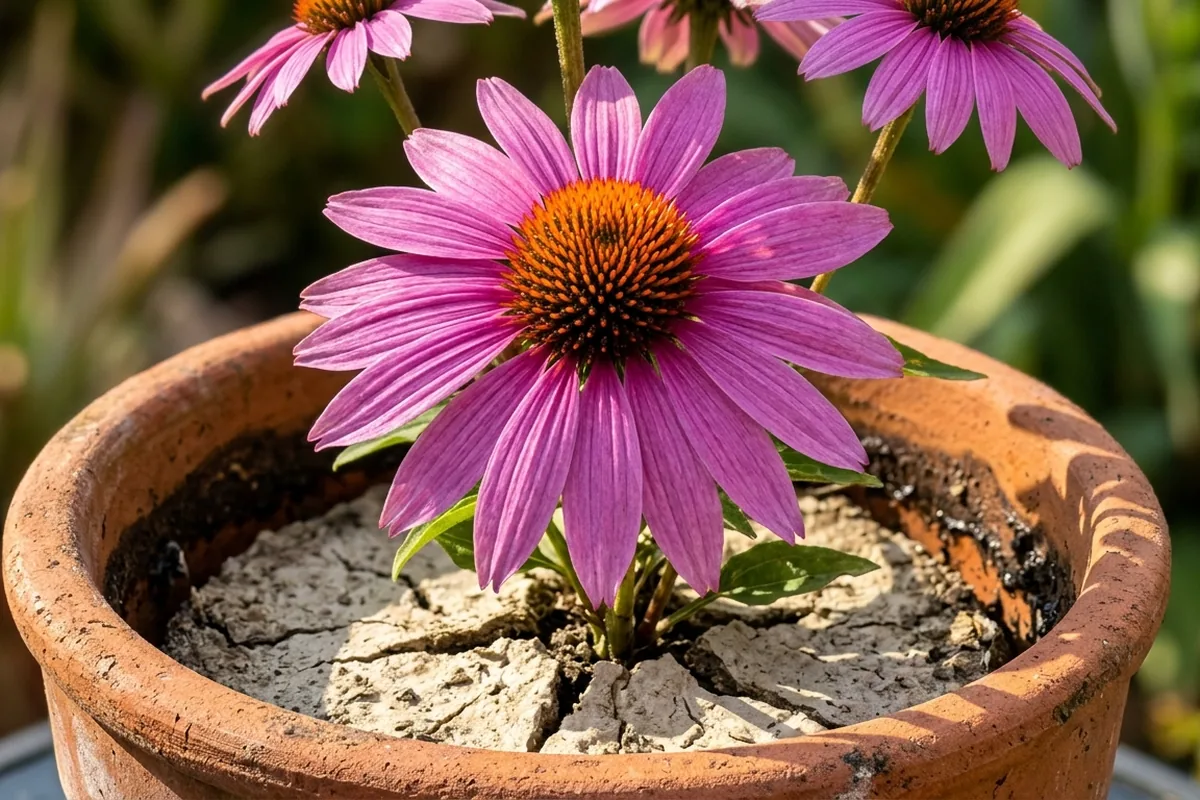
- Echinacea (coneflower)
Sturdy daisy flowers with prominent cones. They cope with hot, open spots once settled. The useful clue is not one leaf, but the pattern across the plant: lower leaves may crisp slightly in drought, but the plant still flowers well.
- Sedum / Hylotelephium (ice plant)
Fleshy leaves store water, so these shrug off dry spells. Ideal for sunny borders, gravel and containers. If the top of the compost looks dry but the pot still feels heavy, wait – sedums dislike sitting in wet compost.
- Coreopsis
Light, ferny foliage and masses of yellow or bi-colour daisy flowers. Very good in a sunny, well-drained border or patio pot that dries quickly between waterings. Shear back lightly mid-summer if they get straggly.
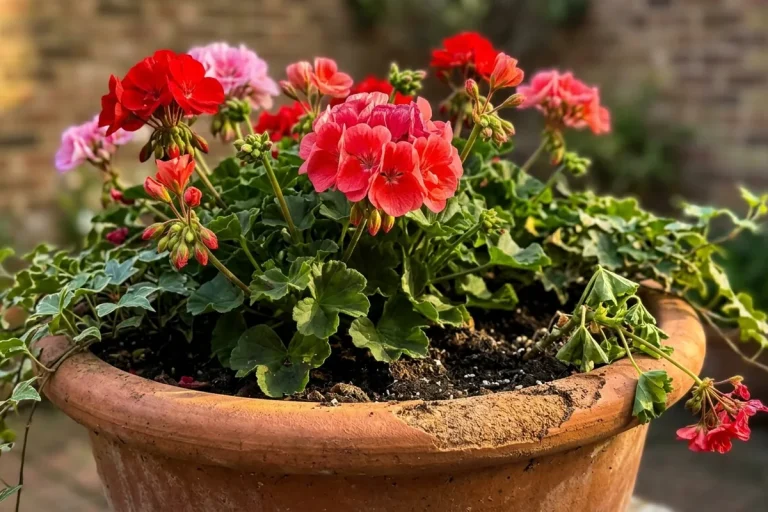
- Geranium ‘Rozanne’ and hardy cranesbills
Many hardy geraniums are surprisingly tolerant once established. They spread to cover soil, which helps shade the roots and keep moisture in. A hard chop after the first flush often brings fresh leaves and more flowers.
- California poppy (Eschscholzia)
Small plants, big impact. Silky orange, yellow or cream flowers that love poor, dry ground. Scatter seed on bare soil in spring; they often self-seed gently in cracks and edges where the hose never quite reaches.
How to plant them so they really stay drought tolerant
Drought tolerance improves hugely once roots are established. The first summer after planting, water more deeply but less often so roots go down, not sideways.
- Add grit or coarse sand to heavy clay to improve drainage for lavender, sedum and gaillardia.
- In pots, use a peat-free compost mixed with about a third horticultural grit.
- Avoid tiny pots for sun-baked patios – a slightly larger pot dries out more slowly than a small one.
Before you water again, check under the surface. Many drought-tolerant plants have compost that looks dry on top but is damp 3–4 cm down. If you lift the pot and it still feels heavy, wait.
Simple care to keep flowers going through a hot UK summer
Deadheading is your main job. Removing faded blooms on gaillardia, coreopsis, echinacea and verbena usually encourages more.
In a heatwave:
- Water early morning or late evening, aiming at the soil, not the leaves.
- Group pots together to create a bit of shade for their sides.
- Mulch borders with compost or gravel to slow evaporation; keep mulch away from lavender stems to avoid rot.
If leaves look worse after every “fix”, stop changing several things at once. Check light, pot size, compost and watering pattern one by one. Drought-tolerant does not mean no water at all – it means they forgive gaps better than thirstier plants.
Choose two or three of these flowers to start with, plant them where the sun really hits, and watch which thrive with less fuss. Over a couple of seasons you can gradually shift your borders towards plants that suit our increasingly dry summer spells.
Reader note
The Flower Expert is an independent gardening publication. Your support helps us keep creating practical plant care guides for everyday UK readers.
This article was created with the assistance of AI and reviewed by an editor. It is intended as general gardening information, not personalised professional advice.
If you still have a question, or if something looks unclear or inaccurate, you can contact us through our contact form.
If you found this article helpful, please consider sharing it on social media or leaving a comment below with your own experience. It helps other readers too.