
A shady balcony can still give you a very decent herb harvest, as long as you choose the right plants and place them carefully. If your balcony only gets a brief patch of sun or just a soft, bright light most of the day, you are exactly the reader this is for.
The herbs that cope best with low light
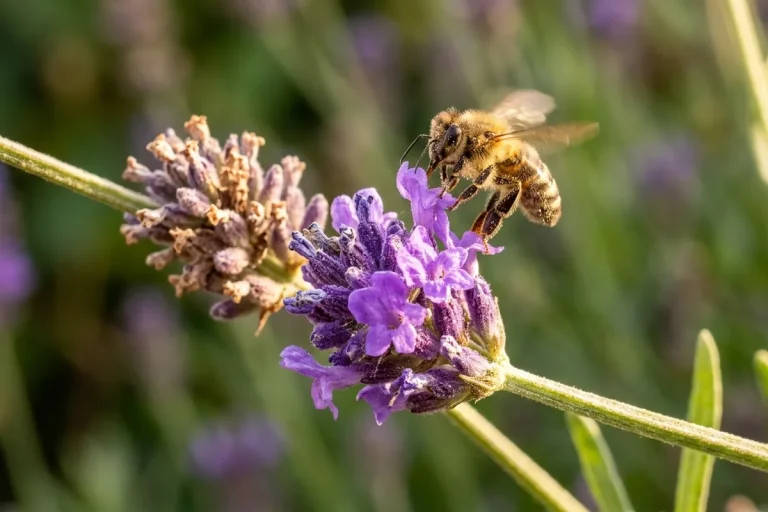
The key is to pick herbs that tolerate shade rather than trying to force sun-lovers to behave. Mediterranean herbs such as rosemary, thyme and lavender really need several hours of direct sun; they sulk and stretch in shade.
Instead, focus on herbs that are naturally happy in woodland edges or cooler conditions. Good options for a UK balcony with limited sunlight include:
- Mint – very forgiving, grows in partial shade, best kept in its own pot.
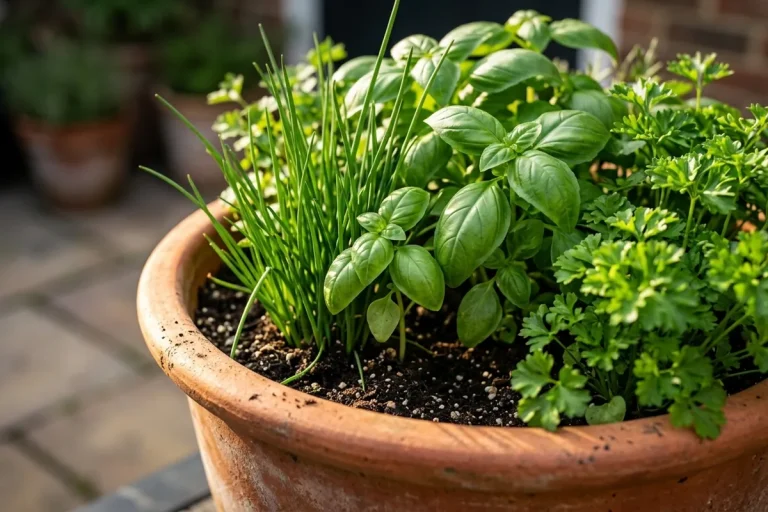
- Parsley – flat or curly; copes with light shade and cool balconies.
- Chives and garlic chives – do well with morning or dappled light.
- Coriander – actually prefers cooler, less intense light; slower to bolt.
- Chervil and dill – softer herbs that enjoy gentle light.
- Lemon balm – shade-tolerant, but keep it trimmed to stay bushy.
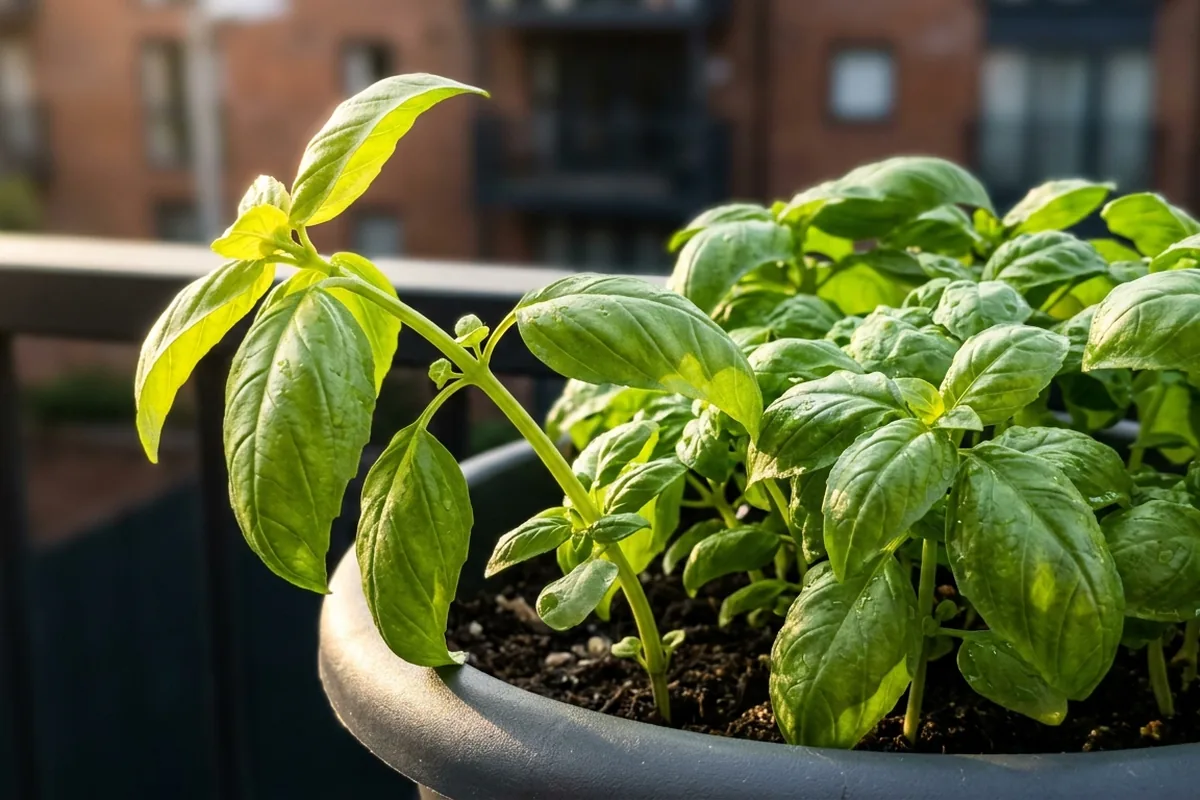
If you get even an hour or two of direct sun, you can try basil in the brightest, warmest spot, tucked closest to any glass door where it benefits from reflected light.
Before you buy, stand on your balcony and notice where the light actually falls, and for how long. A bright but overcast sky all day is still useful light.
Making the most of the light you have
Once you have the right herbs, how you arrange them matters just as much.
- Put the neediest herbs in the brightest spot – basil, chives and coriander to the front edge or top rail.
- Tuck mint, parsley and lemon balm slightly further back where it is a bit dimmer.
- Use light-coloured pots to reflect light and prevent roots overheating on a south- or west-facing balcony.
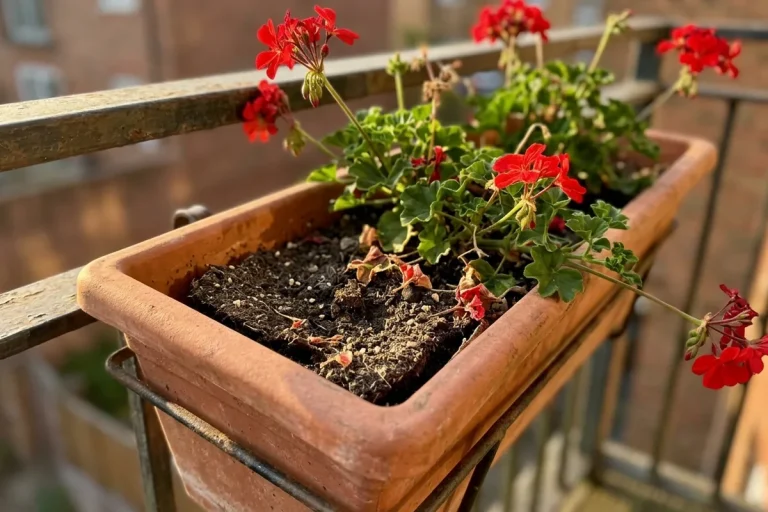
- If you have a solid balcony wall, consider railing planters or a narrow shelving unit so the herbs sit higher, nearer the light, rather than hidden in deep shade by your feet.
If a plant is leaning strongly towards the light, rotate the pot a quarter turn every week. This is the point where many people assume the plant is “unhappy”, when it is simply stretching for light.
On a very windy or exposed balcony, group pots together so they shelter one another and do not dry out quite so fast.
Watering, compost and feeding on a shady balcony
Herbs in low light usually need less water than you think. On a cool, shaded balcony, compost can stay damp long after the surface looks dry.
Before you water again, do a quick finger check: push a finger 3–4 cm into the compost. If it still feels cool and moist, wait. If you lift the pot and it feels unexpectedly heavy, wait. Shady herbs are easily lost to soggy compost and blackened roots.
Use a peat-free multi-purpose or container compost with good drainage. Mix in some grit or perlite so water can move through freely, especially if your balcony is sheltered from wind and rain.
Feed lightly during spring and summer with a dilute liquid feed (check the label and go weaker rather than stronger). Overfeeding in low light can give you soft, floppy growth with less flavour.
Snip herbs regularly, even if you are not cooking with them every day. Frequent cutting keeps plants compact and encourages fresh growth, which tends to be more aromatic.
Start with two or three herbs, learn how quickly their pots dry on your balcony, then add more once you are confident. A small, well-placed collection is far more productive than a crowded row of struggling plants.
With the right herbs, sensible watering and a bit of observation, even a dim balcony can become a useful little herb patch. Choose one or two shade-tolerant herbs this week, pot them up, and watch how they respond to your particular light.
Reader note
The Flower Expert is an independent gardening publication. Your support helps us keep creating practical plant care guides for everyday UK readers.
This article was created with the assistance of AI and reviewed by an editor. It is intended as general gardening information, not personalised professional advice.
If you still have a question, or if something looks unclear or inaccurate, you can contact us through our contact form.
If you found this article helpful, please consider sharing it on social media or leaving a comment below with your own experience. It helps other readers too.