
If your borders look busy with flowers but strangely quiet, with hardly a bee or butterfly in sight, it’s usually a sign the planting isn’t offering the right nectar or shape of flower. Colour alone is not enough.
Reliable plants that bees and butterflies actually use
For a small UK garden, a handful of good, long-flowering plants is more useful than dozens of fussy ones. Aim for a mix so that something is in flower from early spring to late autumn.
- Lavender (Lavandula angustifolia)
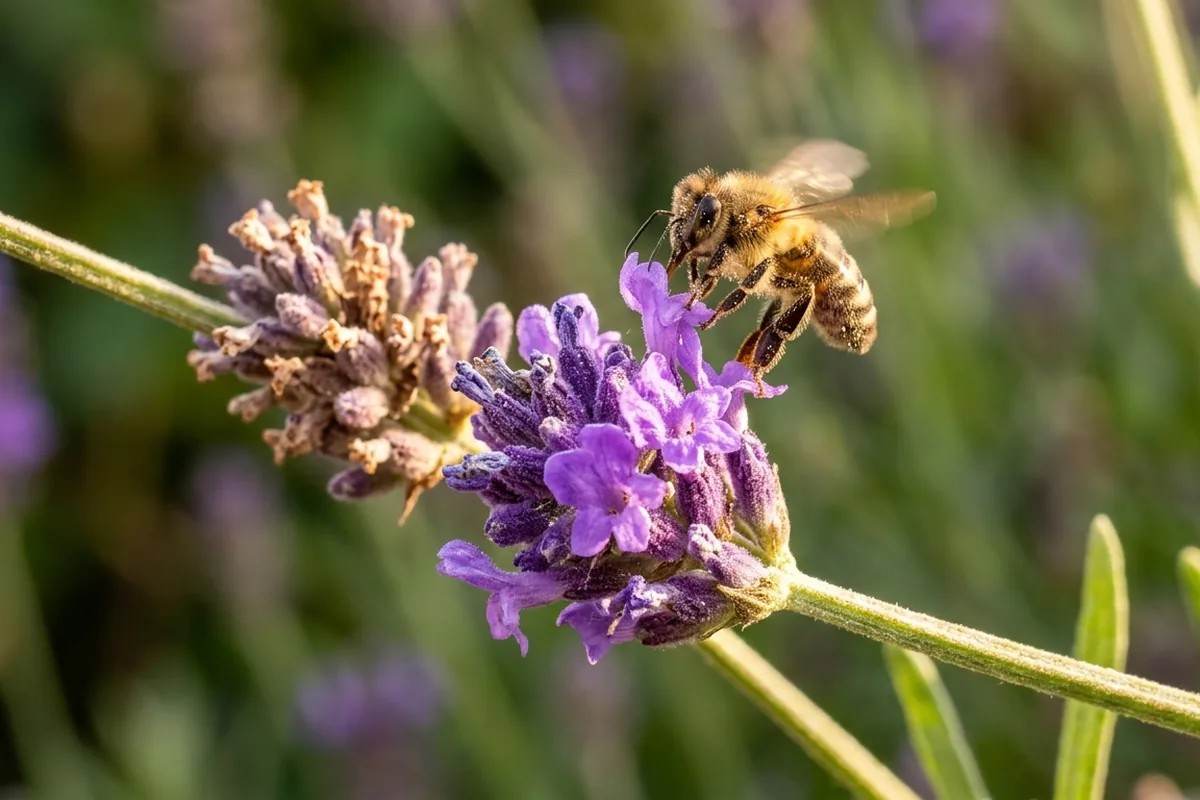
A classic for bees. Needs full sun, well-drained soil and light pruning after flowering. If the stems buzz on a warm afternoon, you’ve chosen well.
- Catmint (Nepeta ‘Walker’s Low’ or similar)
Clouds of soft blue flowers that pull in bees and small butterflies. Tough, forgiving and ideal along a path where you brush past it.
- Single-flowered dahlias
Look for open centres, not pompoms. The visible yellow middle is where the nectar is. These can transform a quiet late-summer border into a busy feeding station.
- Scabious (Scabiosa and Knautia)
Long, wiry stems with pin-cushion heads. Butterflies linger on these. Good in sunny borders and larger pots.
- Verbena bonariensis
Tall, see-through stems topped with purple clusters. Takes little space at ground level, so it’s easy to tuck into existing beds. Red admirals and small tortoiseshells often visit.
If you lift a pot of lavender or verbena and it still feels heavy, wait before you water again – sitting wet will shorten their lives and reduce flowers.
Early and late flowers that keep pollinators coming
The mistake many people make is to plant only summer colour. Bees and butterflies need a seasonal ladder of nectar.
- Early spring:
Crocus, grape hyacinths, hellebores and flowering currant (Ribes) help bumblebees just as they emerge. In pots, a mix of crocus and dwarf narcissi on a balcony can be surprisingly busy on a mild March day.
- Late spring to early summer:
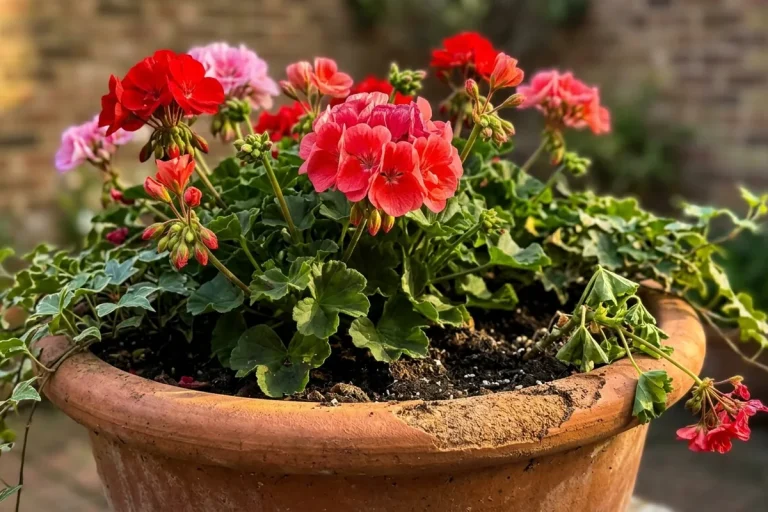
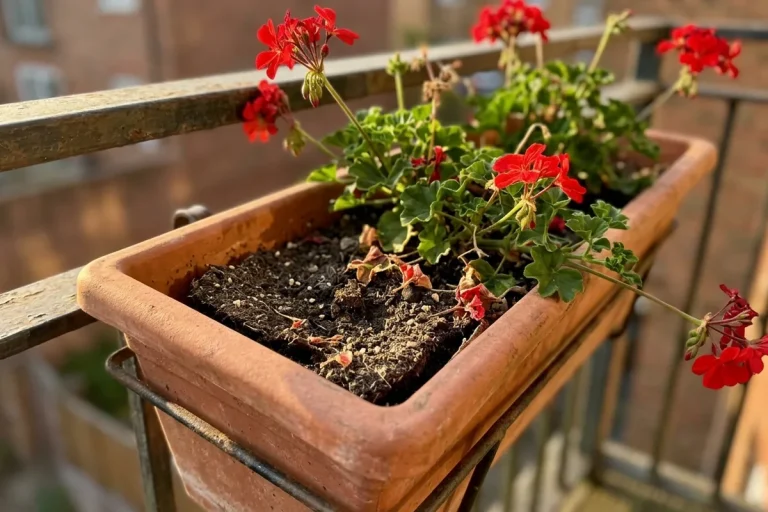
Hardy geraniums (especially single-flowered types), foxgloves and alliums bridge the gap between bulbs and summer perennials. Foxgloves are excellent where the soil stays a bit damp.
- High summer:
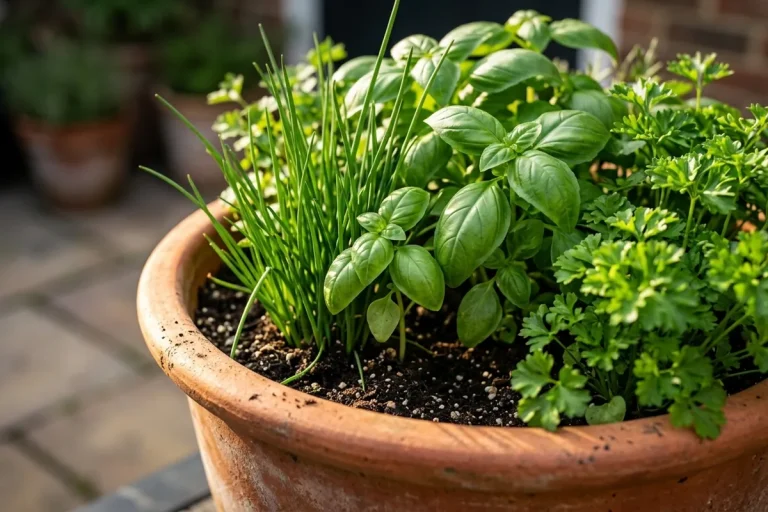
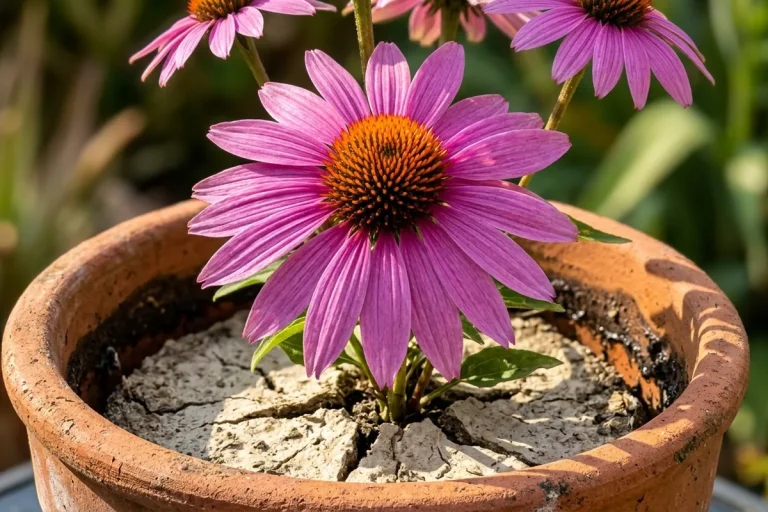
Echinacea, rudbeckia, single-flowered cosmos and herbs such as thyme, marjoram and chives are all heavily used. Let at least some herbs flower instead of cutting them all for the kitchen.
- Late summer to autumn:
Sedum (Hylotelephium), asters (Michaelmas daisies) and ivy blossom are crucial when other things fade. If this is the point where your garden suddenly falls silent, you need more of these.
Simple tweaks that make any garden more pollinator-friendly
You do not need a meadow. A few small changes can make a big difference, even in a tiny front garden or flat balcony.
- Choose single, open flowers, not double or frilly ones that hide nectar. If you cannot see the centre, insects will struggle too.
- Avoid spraying pesticides when plants are in flower; if you must use a product, check the label and apply in the evening when pollinators are less active.
- Plant in clumps or short runs, not one of each scattered about. Bees and butterflies find and use blocks of the same flower more easily.
- Let some lawn or patio edges grow a little longer or tuck in low herbs between paving – a patio pot will dry faster than a border, so check it first in hot spells.
- If the leaves look worse after every “fix”, stop changing several things at once; stressed plants flower less, which means fewer visitors.
If you’re unsure what to add, stand back and look for bare months: which part of the year has plenty of flowers, and which is thin? Fill the gaps first. One or two well-chosen plants for each season will usually bring the bees and butterflies back.
Reader note
The Flower Expert is an independent gardening publication. Your support helps us keep creating practical plant care guides for everyday UK readers.
This article was created with the assistance of AI and reviewed by an editor. It is intended as general gardening information, not personalised professional advice.
If you still have a question, or if something looks unclear or inaccurate, you can contact us through our contact form.
If you found this article helpful, please consider sharing it on social media or leaving a comment below with your own experience. It helps other readers too.