
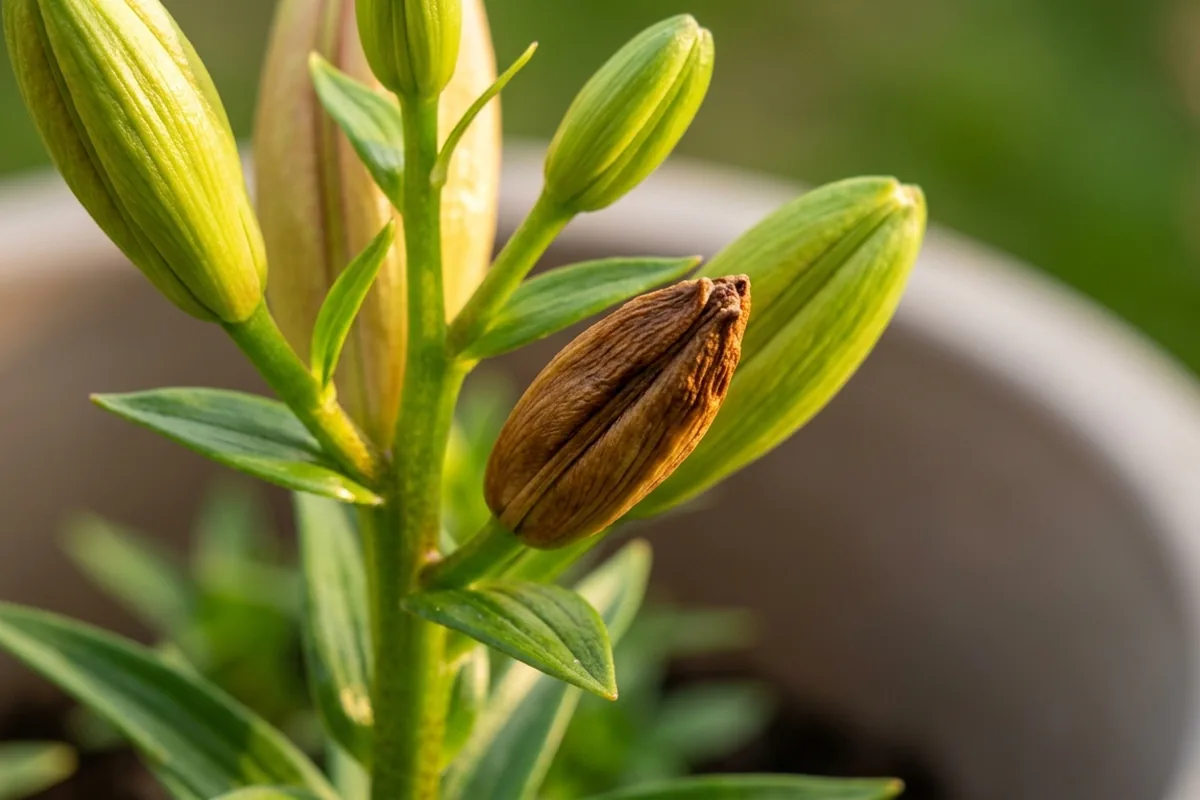
The problem often starts quietly: tight buds swell with promise, then one by one they yellow, shrivel or simply fall off before you see a single petal. It happens on orchids, hibiscus, citrus, camellias, fuchsias, even bedding in pots.
Bud drop is nearly always a stress response. The plant lets go of buds it cannot support, usually because something has changed too quickly: water, temperature, light, or how root‑bound it is. The useful clue is not one bud, but the pattern across the plant – all buds on one side, only the newest, or almost every bud.
The main reasons buds drop before opening
Most cases come back to one of these:
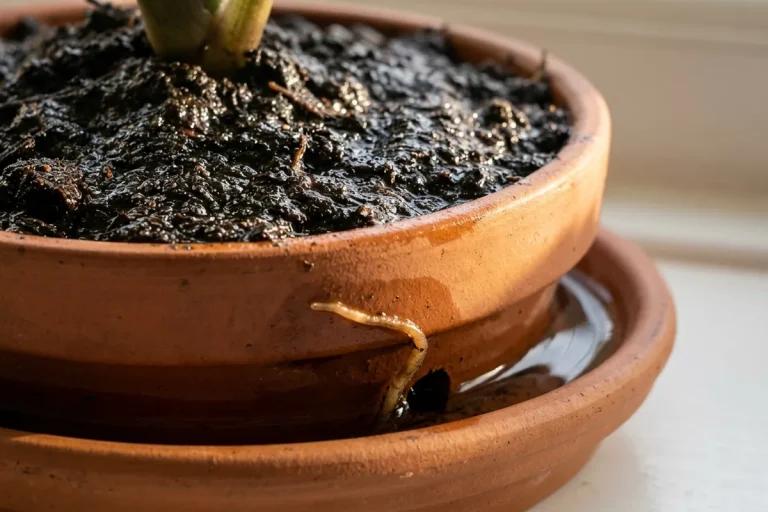
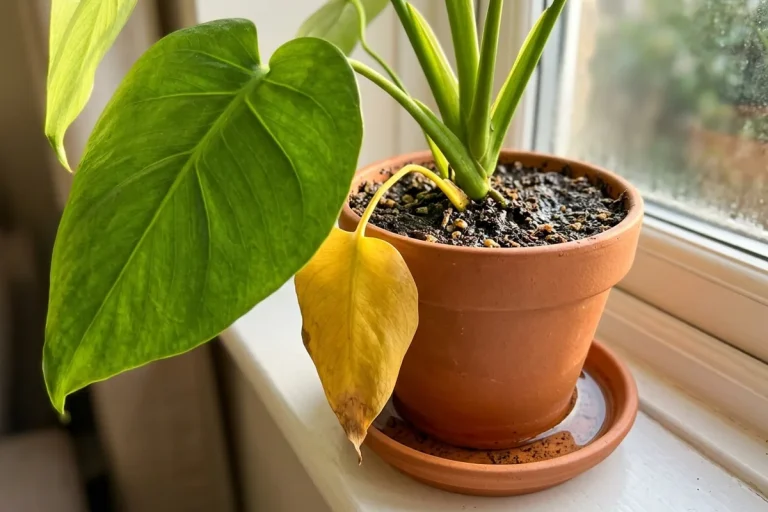
- Irregular watering: swings between very dry and very wet compost. A saucer still full the next morning or compost bone dry 3–4 cm down both push plants to shed buds.
- Temperature shock: a warm shop or greenhouse plant moved to a cold UK windowsill, or a plant near a radiator, draughty door or open window.
- Low light or sudden change in light: buds form when light is good; if the days darken or the plant is moved to a dim corner, it may abort buds.
- Lack of nutrients in pots: long‑term container plants, especially heavy bloomers like roses, fuchsias and geraniums, run out of feed and quietly drop buds.
- Being pot‑bound or recently repotted: roots circling a small pot, or the opposite – a plant moved into a huge pot of fresh compost – can both interrupt flowering.
- Pests and damage: aphids on new growth, thrips in buds, or buds knocked off by pets, children or heavy rain.
If this is happening on your plant, start with water and temperature, then check the roots and look closely for pests, rather than guessing at feed straight away.
Checks to make on your own plant
Work through these calmly, one at a time:
- Compost check: push a finger 3–4 cm down. If the top looks dry but it feels cool and damp underneath, wait. If the pot feels unexpectedly heavy, do not rush to water again.
- Pot and roots: slide the plant gently from its pot. If roots are tightly circling, it may be pot‑bound; if they are brown and mushy, overwatering and root rot are likely.
- Position: is it above a radiator, in a cold draught, or pressed against cold glass? A bright but cold winter windowsill can be enough to make camellia and citrus buds drop.
- Light level: has it been moved further from the window, or is it shaded by new growth outside?
- Buds and leaves: look for sticky residue, tiny insects or silvery streaks – all signs of pests feeding in or around the buds.
A quick finger check tells you more than the surface of the compost or the label on the pot.
Simple changes that usually stop bud drop
Once you have a likely cause, adjust gently:
- Steady the watering: water thoroughly, then let the top few centimetres dry before watering again. Always empty saucers after 20–30 minutes.
- Improve the position: aim for bright, indirect light and stable temperatures. Move plants slightly away from radiators, exterior doors and very cold panes.
- Support with feed, not force: for container plants in active growth, use a high‑potash liquid feed (often sold as tomato fertiliser) every couple of weeks, following the label.
- Repot if truly pot‑bound: go up just one pot size, using fresh peat‑free compost with good drainage. Do not repot a plant that is already stressed by cold; wait for milder conditions.
- Tackle pests early: wash off aphids with a gentle spray of water or use a suitable insecticidal soap, checking the label and repeating as directed.
Do not expect damaged buds to recover; focus on keeping the next wave of buds on the plant.
Once you understand which stress your plant is reacting to – water, temperature, light, roots or pests – you can usually stop bud drop with a couple of calm adjustments. Start with that finger-in-the-compost check today, and give the plant a week or two to show you it is back on track.
Reader note
The Flower Expert is an independent gardening publication. Your support helps us keep creating practical plant care guides for everyday UK readers.
This article was created with the assistance of AI and reviewed by an editor. It is intended as general gardening information, not personalised professional advice.
If you still have a question, or if something looks unclear or inaccurate, you can contact us through our contact form.
If you found this article helpful, please consider sharing it on social media or leaving a comment below with your own experience. It helps other readers too.