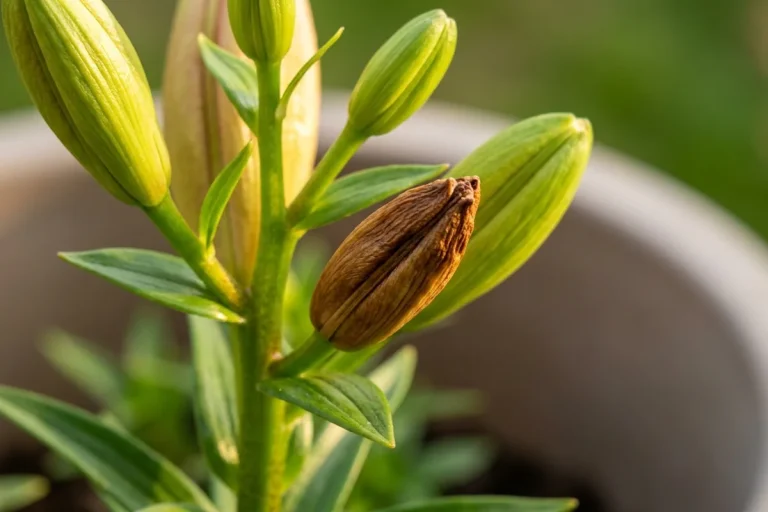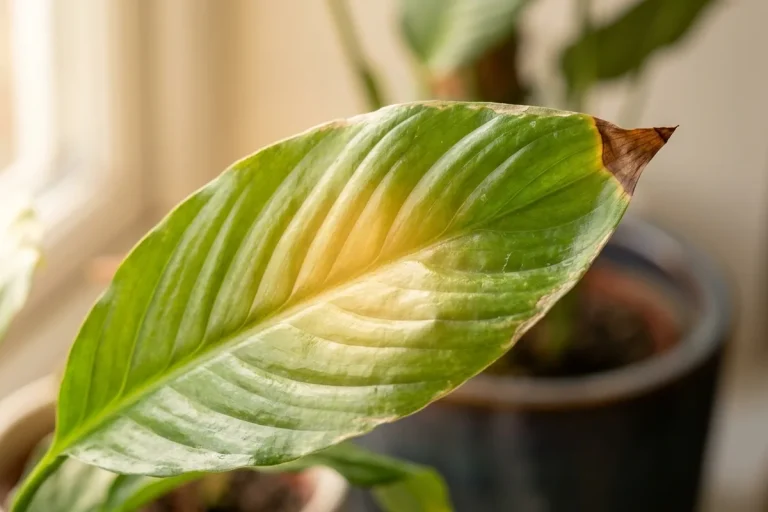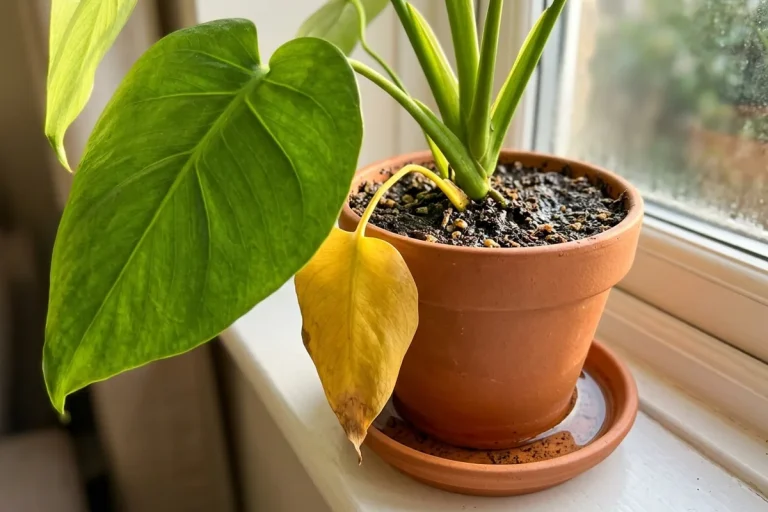

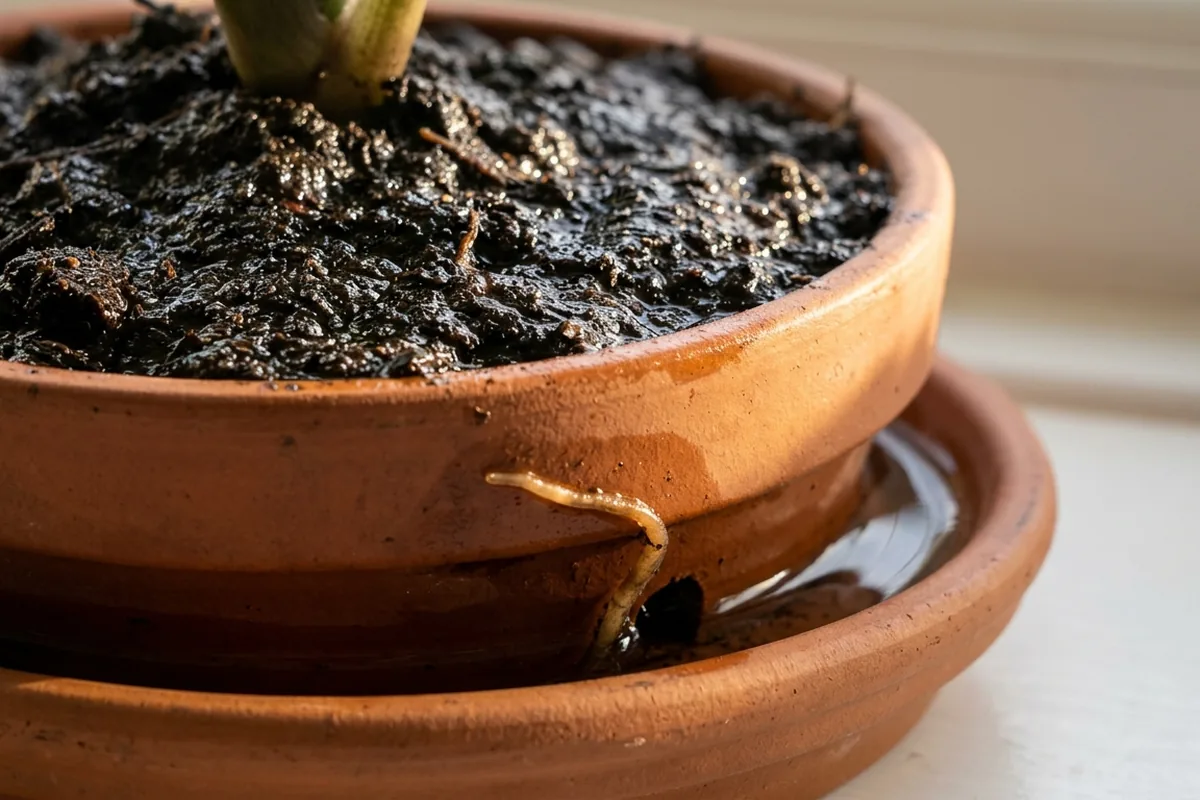
The problem often starts quietly: leaves droop, tips brown, yet the compost still feels soggy long after you watered. If the top looks dry but the pot is heavy and cool to the touch, more water is exactly what the roots do not need.
What really happens to roots in wet compost
Roots need air as much as water. In a healthy pot or border, the spaces between compost particles hold both air and moisture. When compost stays wet for too long, those air spaces fill with water and oxygen runs out.
Without oxygen, roots:
- stop taking up water properly
- begin to die back and rot
- become more vulnerable to fungi and bacteria
This is why plants in constantly soggy compost can wilt and yellow, even though they are sitting in water. The roots are effectively suffocating.
Dry soil is stressful too, but in most cases roots can recover once you water again. With prolonged waterlogging, parts of the root system may be lost for good. That damage is often faster and more severe than a short dry spell.
If this is happening on your plant, the useful clue is not one leaf, but the pattern across the plant: limp growth, dull colour, and compost that stays wet several days after watering.
Why wet compost can be worse than dry soil
Wet compost harms roots faster than dry conditions for several reasons:
- Lack of oxygen: waterlogged compost excludes air, so roots cannot “breathe”. In dry soil, they may slow down, but they are not smothered.
- Rot and disease: constantly damp, poorly aerated compost is ideal for root rot fungi and bacteria. Once these take hold, whole sections of root can collapse quickly.
- Toxic build-up: in low-oxygen conditions, waste products can build up around roots, further stressing them.
- Cold, wet roots: in a UK winter, wet compost stays colder. Cold, saturated roots are much more likely to fail than slightly dry ones on a bright windowsill.
This is the point where many people water again too soon, because the plant looks thirsty. A quick finger check tells you more than the surface: push a finger 3–4 cm down. If it feels cool and damp, wait.
How to protect roots from staying too wet
The aim is not dry roots, but moist, well-drained compost that can breathe.
- Check before you water: lift the pot. If it still feels heavy, wait. For borders, scrape back the surface; if it is dark and clings together, hold off.
- Sort drainage: make sure there are drainage holes, and empty saucers and decorative outer pots so water is not sitting around the roots the next morning.
- Use the right compost: for houseplants and containers, a peat‑free, free‑draining mix with some grit or perlite helps water run through instead of lingering.
- Match pot to plant: a tiny plant in a large pot sits in a big cold mass of compost that dries very slowly. Go for a snug pot and repot gradually.
- Adjust for season: in low winter light, most houseplants drink far less. Water less often, but water thoroughly when needed, letting the top few centimetres dry first.
If the leaves look worse after every “fix”, stop changing several things at once. First, get the watering and drainage right, then give the plant a few weeks to respond.
A little patience here pays off. Before you reach for the watering can, check the compost properly. Protecting roots from staying wet is one of the simplest ways to keep flowers, houseplants and borders healthier for longer.
Reader note
The Flower Expert is an independent gardening publication. Your support helps us keep creating practical plant care guides for everyday UK readers.
This article was created with the assistance of AI and reviewed by an editor. It is intended as general gardening information, not personalised professional advice.
If you still have a question, or if something looks unclear or inaccurate, you can contact us through our contact form.
If you found this article helpful, please consider sharing it on social media or leaving a comment below with your own experience. It helps other readers too.