
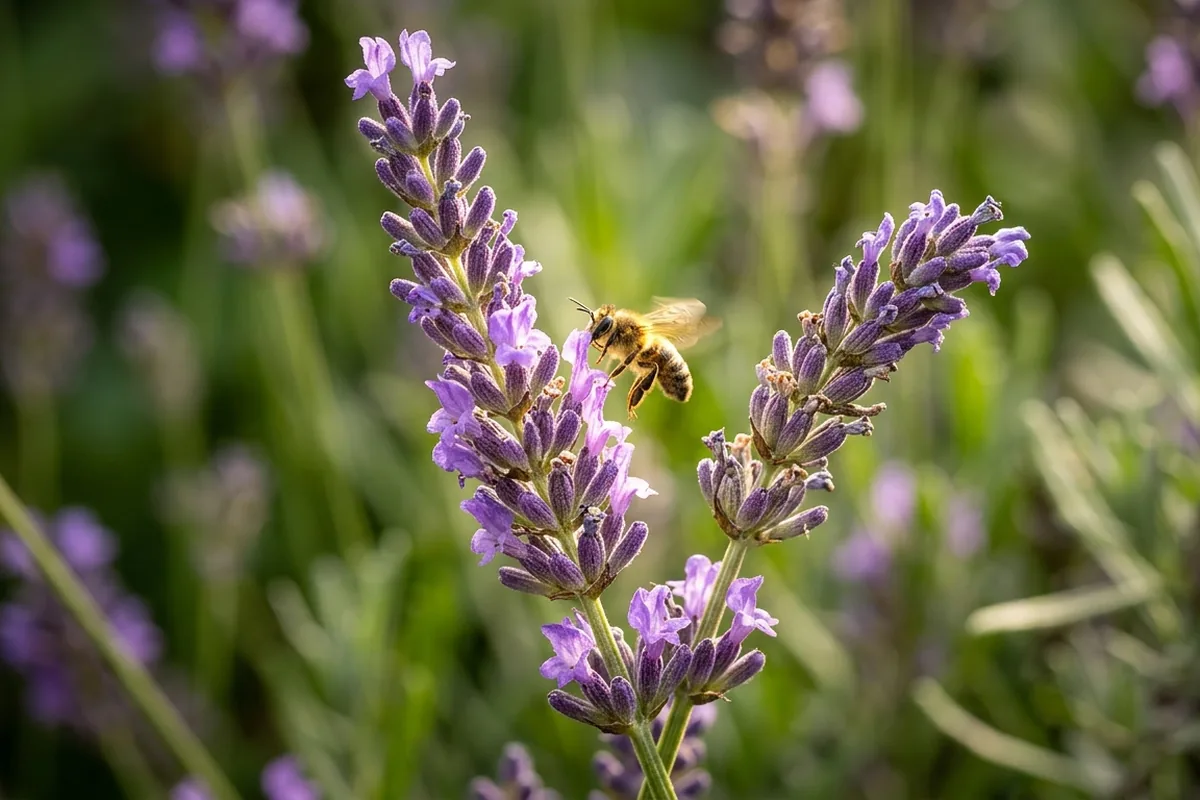
A wildlife-friendly garden does not need to be wild or messy. Even a small patio or front garden can offer food, water and shelter. If you are seeing the odd bee but almost no butterflies, or birds only flying over rather than stopping, a few simple changes can make your space far more inviting.
Simple changes that bring more visitors in
Start by thinking in layers: flowers for nectar, seed and berry plants, and safe places to nest or hide.
- Plant for a long season. Aim for flowers from early spring to late autumn so there is always something in bloom. Early bulbs, wallflowers and lungwort help bumblebees; later on, single dahlias, cosmos and verbena keep them going.
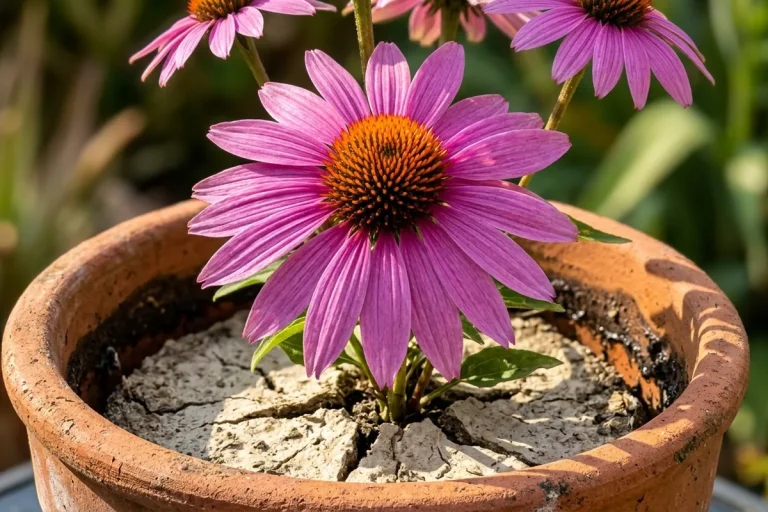
- Choose single, open flowers. Bees and butterflies struggle with very double, frilly blooms. Look for open-centred roses, single dahlias, scabious, echinacea, sedum and herbs in flower.
- Add shrubs and small trees. Hawthorn, crab apple, rowan, cotoneaster and dogwood offer blossom for pollinators, then berries for birds. Even one small tree in a front garden can become a regular bird stop.
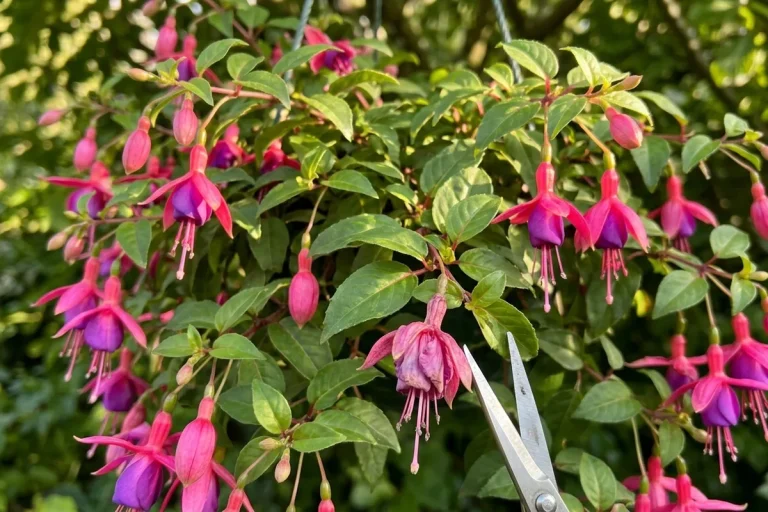
- Leave some seedheads. Do not deadhead everything. Goldfinches love teasel and echinacea seedheads; sparrows will pick over ornamental grasses. If a stem is upright and safe, let it stand into winter.
- Create a few hiding places. A dense shrub, a small log pile, or a corner where leaves are allowed to gather gives insects somewhere to shelter. This in turn feeds birds.
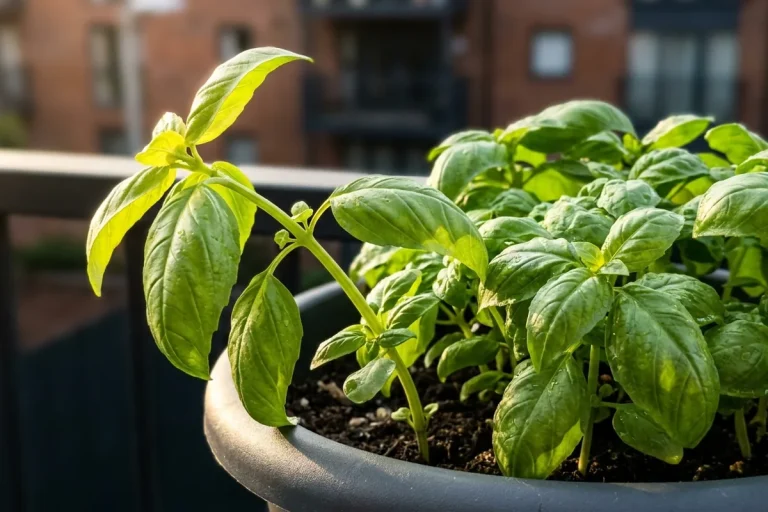
If you lift a pot and it feels unexpectedly light by late afternoon, it is probably a key nectar plant that needs more regular watering to keep flowering for wildlife.
Flowers and plants that really help birds, bees and butterflies
Think in groups rather than one-offs. A drift of three to five plants is easier for insects to spot than a single lonely flower.
Good multi-purpose choices include:
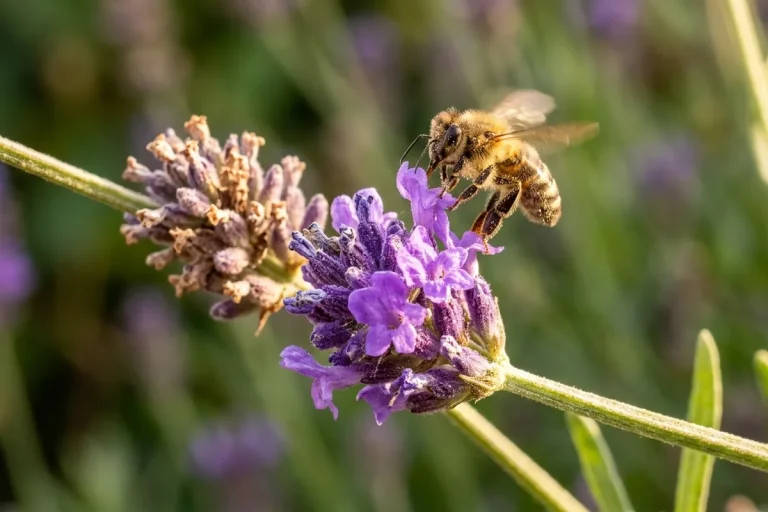
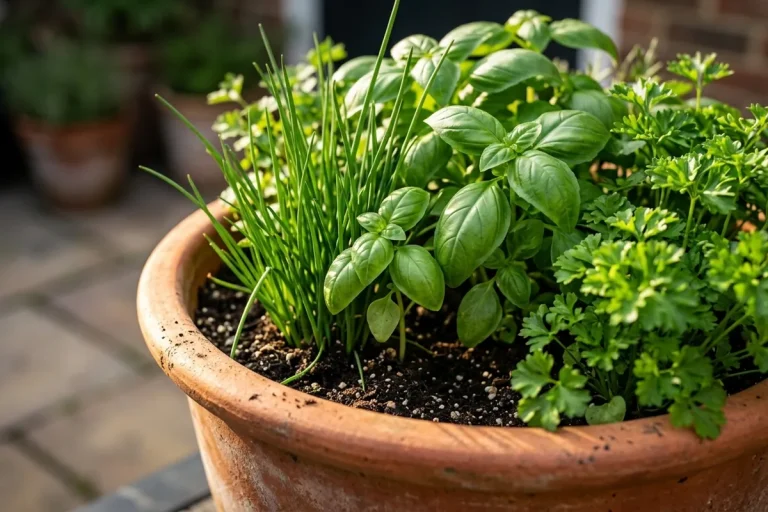
- Lavender, thyme, marjoram and rosemary – rich nectar, easy in pots, loved by bees.
- Verbena bonariensis and buddleja – classic butterfly plants; cut buddleja back hard in late winter to keep it in check.
- Foxgloves, salvias and penstemons – tubular flowers for long-tongued bees.
- Sunflowers and rudbeckias – pollen for insects, then seeds for birds.
- Ivy – late nectar when little else is out, and safe cover for nesting birds. Keep it trimmed where needed rather than stripping it off completely.
Before you buy more, look at your garden through a bee’s eyes: are there continuous patches of colour, or just the odd flower here and there?
Water, feeding and small habits that make a big difference
Birds, bees and butterflies all need water. A shallow dish with stones on a balcony, or a bird bath in a border, can be enough. If the saucer still holds water the next morning, the depth is about right; just keep it clean and topped up.
A few more habits to build in:
- Avoid pesticides where you can. Often a small outbreak of aphids will bring in ladybirds and birds to clear them. If you must spray, check the label and avoid treating flowers in bloom.
- Feed birds sensibly. Use good-quality seed and keep feeders clean to avoid disease. Place them near a shrub so birds can dart in and out, not in the middle of an exposed lawn.
- Dim the night-time glare. Strong security lights can disturb moths and bats. Use motion sensors or lower-level lighting where possible.
- Leave a quiet corner. A patch of longer grass, a tray of damp sand for mining bees, or a small pile of twigs gives more value than a perfectly bare fence line.
If the leaves look worse on a plant after every “tidy up”, consider whether you are over-pruning or cutting back the very stems that provide shelter and seed for wildlife.
You do not need to change everything at once. Add one nectar-rich plant, a shallow water dish and a small sheltered corner, then watch which visitors start to appear. Once you see the first butterfly lingering or a robin using your shrubs, it becomes much easier to plan the next small step.
Reader note
The Flower Expert is an independent gardening publication. Your support helps us keep creating practical plant care guides for everyday UK readers.
This article was created with the assistance of AI and reviewed by an editor. It is intended as general gardening information, not personalised professional advice.
If you still have a question, or if something looks unclear or inaccurate, you can contact us through our contact form.
If you found this article helpful, please consider sharing it on social media or leaving a comment below with your own experience. It helps other readers too.