
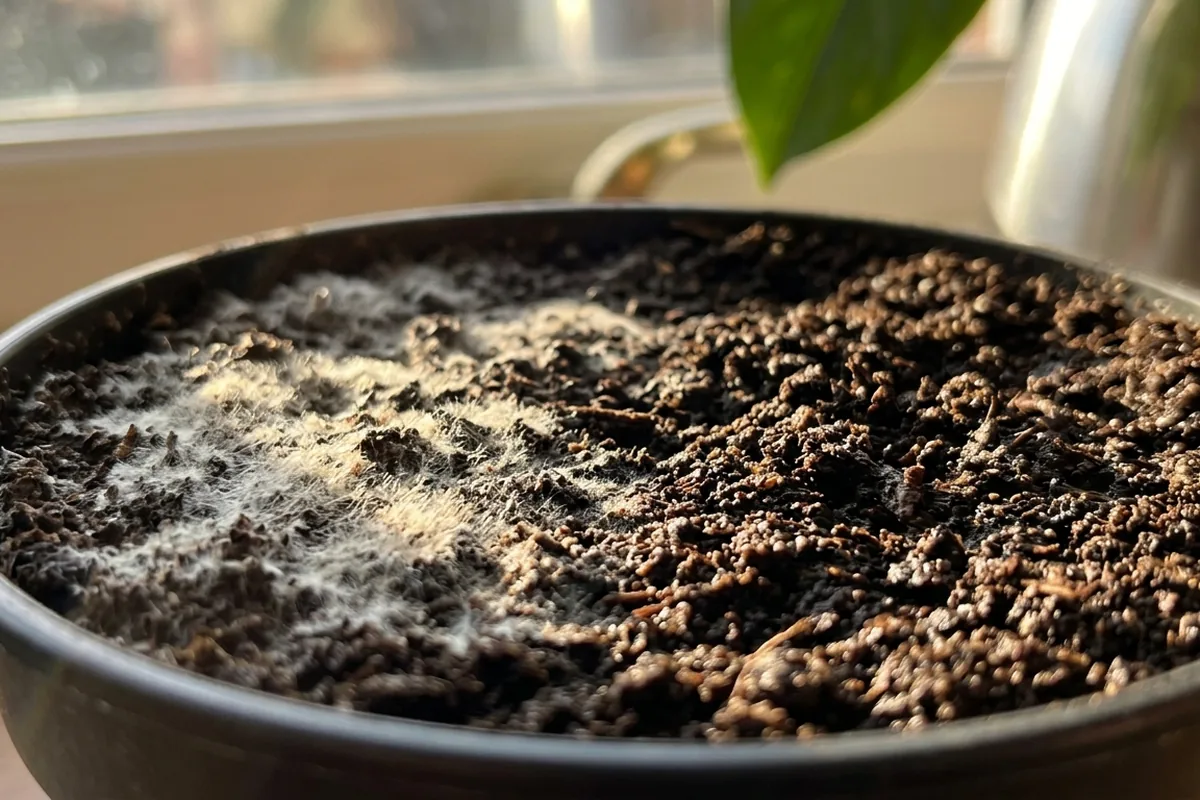
The problem often starts quietly: a pale fuzz across the compost, a few white strands around the stem, or a greenish film after watering. If this is happening on your plant, it is more than just untidy – it is your first clue that conditions around the roots are not quite right.
What mould on compost is really telling you
Mould on compost is usually a sign of excess moisture and poor air flow, not a disease attacking the plant itself. Fungal spores are always present; they grow when the conditions suit them.
On houseplants, you often see white or grey fluff on the surface of compost that stays damp for days, especially on a cool UK windowsill in winter. In outdoor pots, you might notice a greenish layer or patches of moss on containers that never quite dry out.
The useful clue is not one patch of mould, but the pattern across the pot:
- Even, thin white fuzz: compost staying damp too long, often from watering too often.
- Thick, fluffy growth around stems: poor air movement and possibly overcrowded plants.
- Green slime or moss: low light, constant moisture and tired compost.
- White crusty layer: mineral build-up from hard tap water or over-feeding, not mould, but still a stress sign.
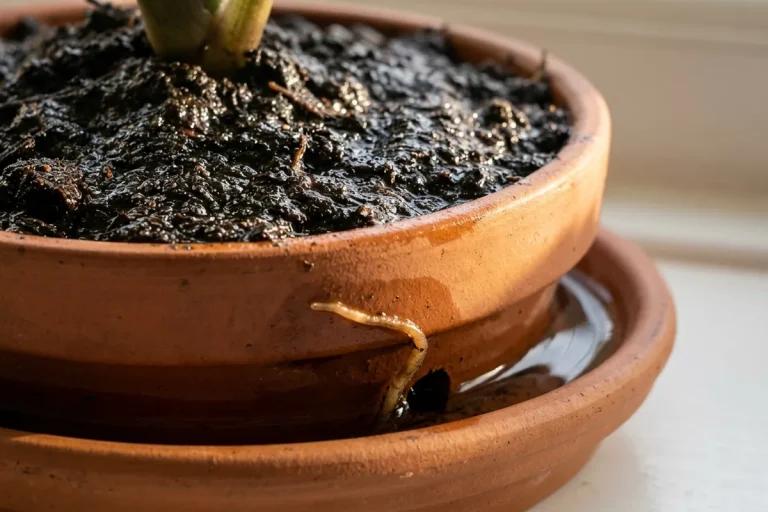
If the top of the compost looks dry but the pot still feels heavy, watering again can make the problem worse.
Checks to make before you reach for a fungicide
Before buying a treatment, check the basics around the roots:
- Moisture: Push a finger 3–4 cm into the compost. If it feels cool and damp, wait. This is the point where many people water again too soon.
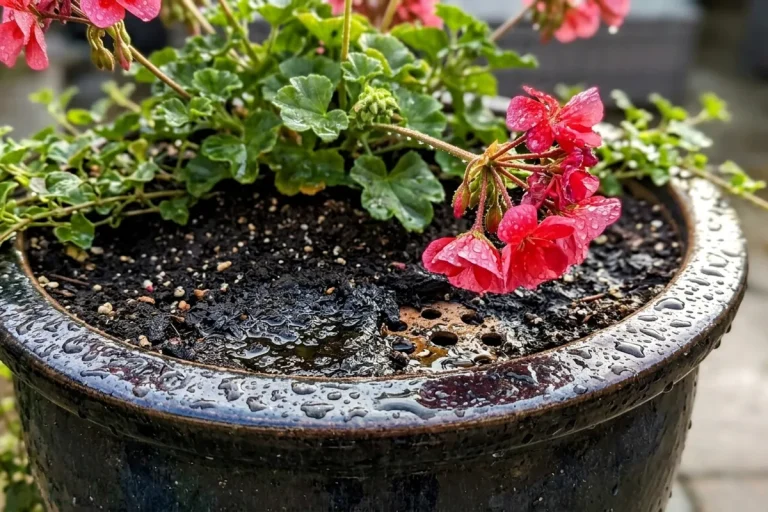
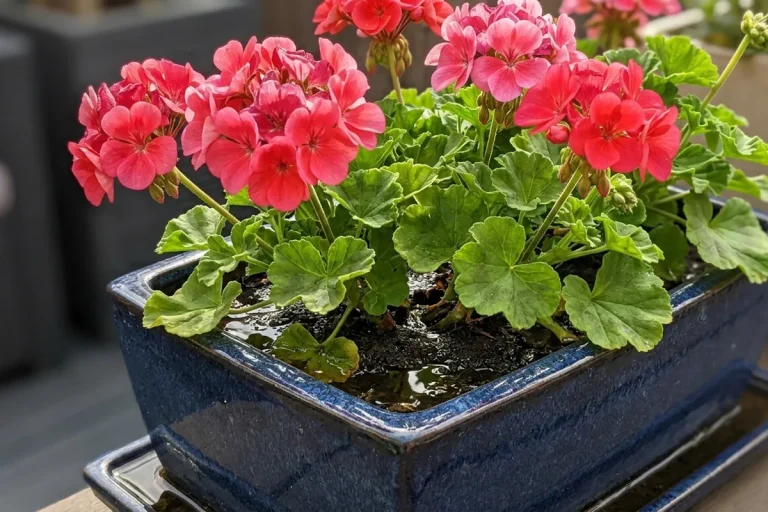
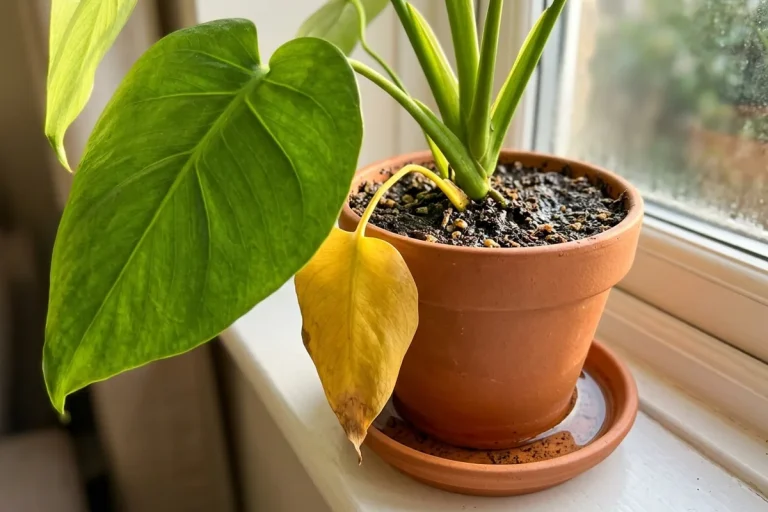
- Drainage: Look underneath. Are the drainage holes clear? Is the saucer still holding water the next morning?
- Light and temperature: A bright but cold winter windowsill, or a plant perched above a radiator, can keep compost damp while stressing the plant.
- Pot and compost: Very large pots around small rootballs, or old compacted compost, stay wet and airless for longer.
If the plant itself still looks reasonably healthy – no widespread yellow leaves, no drooping stems, growth more or less normal – the mould is a warning, not yet a disaster.
How to clear the mould and prevent it coming back
Focus on changing conditions rather than just scraping the surface.
- Remove the growth: Gently scrape off the top 1–2 cm of affected compost and bin it. Top up with fresh, peat-free compost or a little horticultural grit.
- Adjust watering: Water less often, but water thoroughly when needed. Let the top few centimetres dry before watering again. If you lift the pot and it still feels heavy, wait.
- Improve air flow: Space plants so leaves are not pressed together. On still, damp days, a slightly open window away from cold draughts can help.
- Sort drainage: Empty saucers after watering. For outdoor containers, raise pots on feet or bricks so excess water can escape.
- Repot if needed: If compost is old, sour-smelling, or the roots are circling the pot, repot into fresh compost and a pot just one size up.
If the plant is wilting despite wet compost, or roots look brown and mushy when you slide the plant out, mould is part of a root rot problem. In that case, trim dead roots, repot into fresh, free-draining compost, and keep on the dry side while it recovers. If you are unsure, the RHS or a good local garden centre can help you identify what you are seeing.
Once you start reading mould as a warning sign, you can adjust watering, light and drainage before the plant really suffers. Choose one or two changes, make them calmly, and watch what the compost does over the next week before you do anything else.
Reader note
The Flower Expert is an independent gardening publication. Your support helps us keep creating practical plant care guides for everyday UK readers.
This article was created with the assistance of AI and reviewed by an editor. It is intended as general gardening information, not personalised professional advice.
If you still have a question, or if something looks unclear or inaccurate, you can contact us through our contact form.
If you found this article helpful, please consider sharing it on social media or leaving a comment below with your own experience. It helps other readers too.