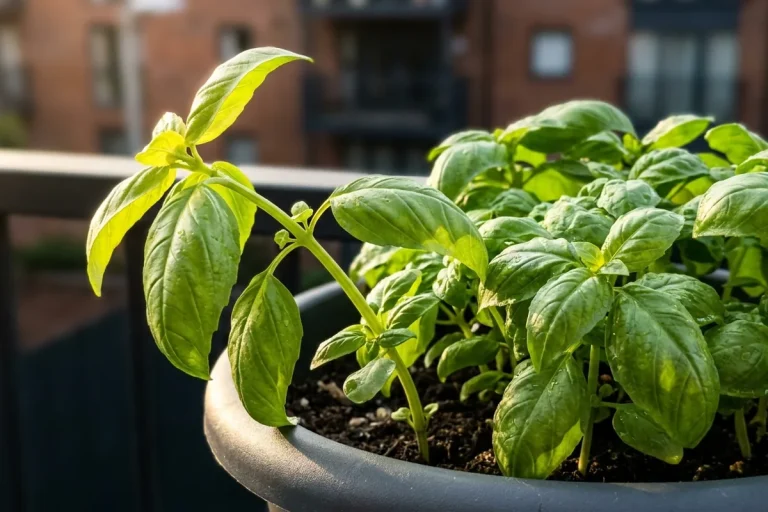

Small terraced gardens often feel overshadowed, overlooked and oddly awkward to use – a narrow strip of paving, a patch of tired lawn, a fence too close to the back door. If this is what you see when you step outside, the aim is to make every metre work harder without cluttering the space.
Simple layout tricks that instantly help
Start by deciding how you want to use the garden: a chair in the sun, a spot for herbs, somewhere to hide the bins. One clear idea makes planning easier than trying to cram in everything.
A few layout tweaks go a long way in a terrace:
- Break up the long corridor. Instead of one straight path, angle a stepping-stone route or use two different surfaces (for example, brick and gravel). It makes the garden feel wider.
- Use the “good” end properly. If you only get sun at the far end, put seating there, not by the back door.
- Choose one strong line. A slim raised bed, a bench or a row of pots along one side will tidy the space. On both sides, it can feel cramped.
- Tuck storage away. A slim shed, painted the fence colour, almost disappears and keeps tools and compost out of sight.
Before you buy anything, stand at the back door and look: can you see a clear destination, or just clutter?
Vertical growing for flowers, herbs and privacy
When floor space is tight, grow upwards. Fences and walls in terraced gardens are usually wasted planting space.
Good vertical options for small terraces:
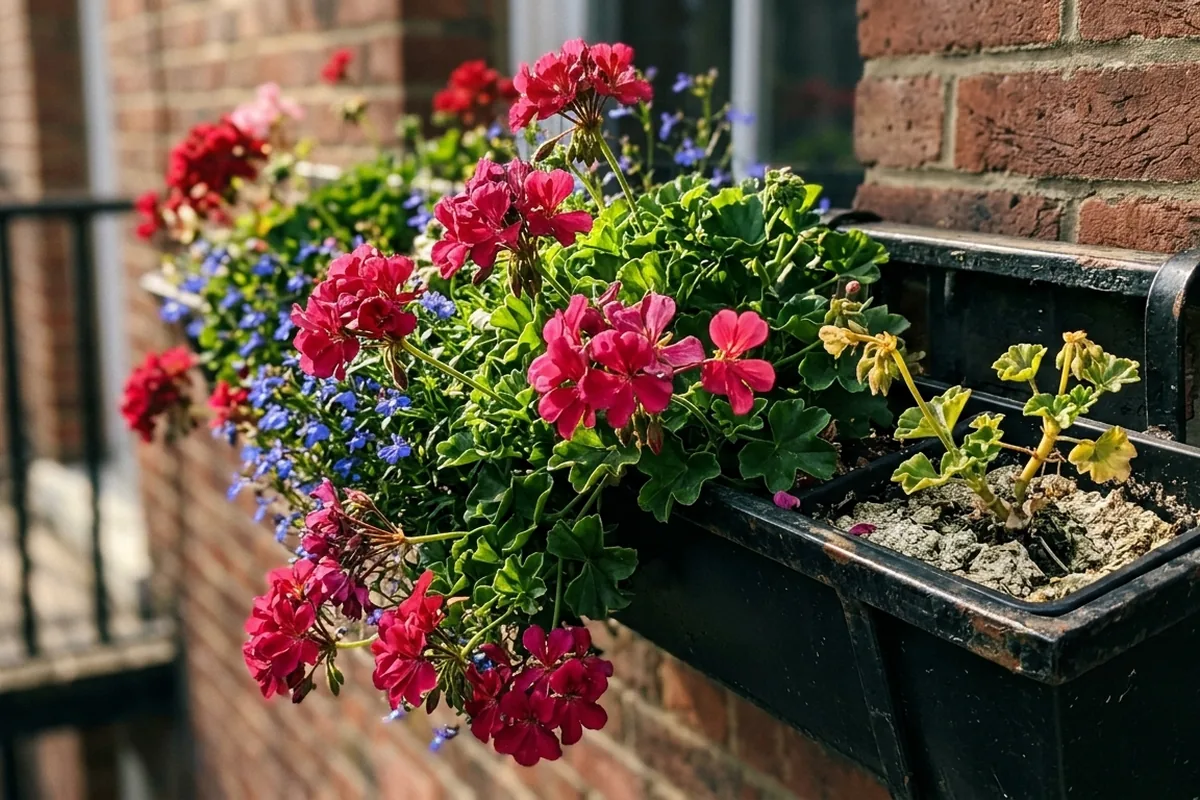
- Wall planters and shelves. Sturdy brackets with long troughs are ideal for trailing lobelia, petunias or tumbling tomatoes. Check fixings are secure and do not overload them.
- Climbers for soft screening. Try clematis, jasmine, star jasmine or a climbing rose on trellis to soften overlooking windows. In shade, evergreen ivy can work, but keep it trimmed and away from brickwork joints.
- Slim obelisks in pots. These give height without a big footprint. Sweet peas, runner beans or a small clematis will quickly cover them.
- Railings and balconies. Use proper railing planters with secure brackets; a heavy trough perched on a narrow ledge is not safe.
If the compost on a wall planter looks dry but the trough still feels heavy, wait. Wall planters often stay damp in the middle even when the surface has lightened in colour.
Pots, seating and light: making it feel bigger
Containers are your best tool in a terraced garden because they can move as the light changes and as you work out what feels right.
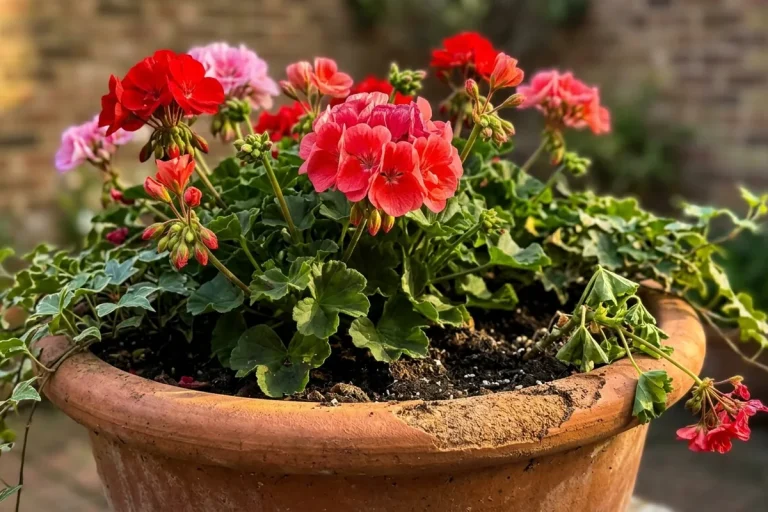
Choose fewer, larger pots rather than lots of tiny ones. A big pot of scented pelargoniums or a small tree – a dwarf acer, olive or bay – gives a focal point and is easier to keep evenly moist than several small pots that dry out by mid-afternoon.
A few practical touches:
- Multi-use furniture. A bench with storage inside, or a fold-down table on the wall, keeps the ground clear.
- Light and colour. Pale paving, a soft-coloured fence and a couple of well-placed solar lights make the space feel longer and safer to step into at night.
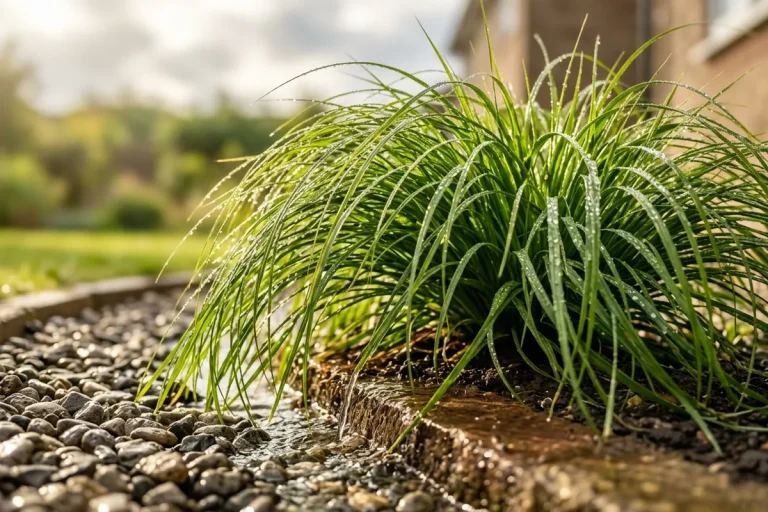
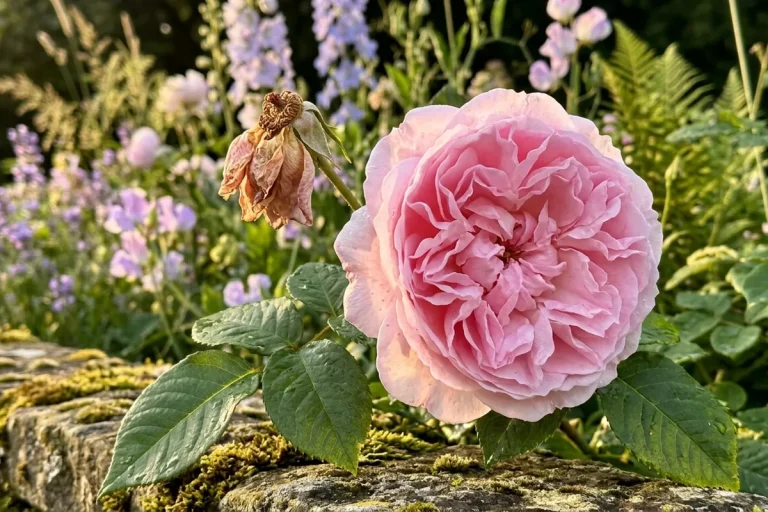
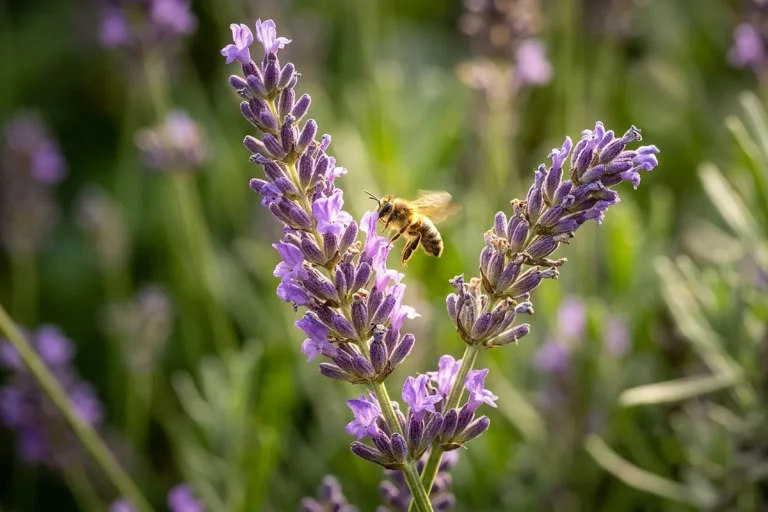
- Calm planting palette. Repeating the same 3–4 plants – perhaps lavender, a white rose, a hardy geranium and a grass – looks deliberate and restful.
If your patio pots dry faster than the narrow border, water the pots first, then check the border with a quick finger test a few centimetres down before you reach for the hose again.
A small terraced garden will always be compact, but with one clear layout, some vertical planting and a few hard-working pots, it can feel like an extra room rather than an awkward leftover strip. Start with one change – often moving the seating or adding a single raised bed – and live with it for a week before you add more.
Reader note
The Flower Expert is an independent gardening publication. Your support helps us keep creating practical plant care guides for everyday UK readers.
This article was created with the assistance of AI and reviewed by an editor. It is intended as general gardening information, not personalised professional advice.
If you still have a question, or if something looks unclear or inaccurate, you can contact us through our contact form.
If you found this article helpful, please consider sharing it on social media or leaving a comment below with your own experience. It helps other readers too.