
If you want more life in the garden but less work for yourself, native plants are the quiet answer. They suit our weather, cope with most soils and feed far more insects and birds than many showy imports. If you look out and see a flat lawn, a few tired shrubs and not much buzzing, this is exactly the sort of garden that can be transformed with a handful of the right natives.
Best easy natives to plant first
Start with plants that largely look after themselves once established and give food or shelter for as much of the year as possible.
- Hawthorn (Crataegus monogyna)
A small native tree or large shrub that copes with wind, poor soil and light shade. Spring blossom for pollinators, haws for birds in autumn, dense twiggy cover for nesting. Good for hedges if you want a natural boundary you hardly ever prune.
- Rowan (Sorbus aucuparia)
Ideal for smaller gardens. Light canopy, clusters of white flowers, then red or orange berries that thrushes and blackbirds love. Needs very little beyond an annual check for crossing branches.
- Dog rose (Rosa canina)
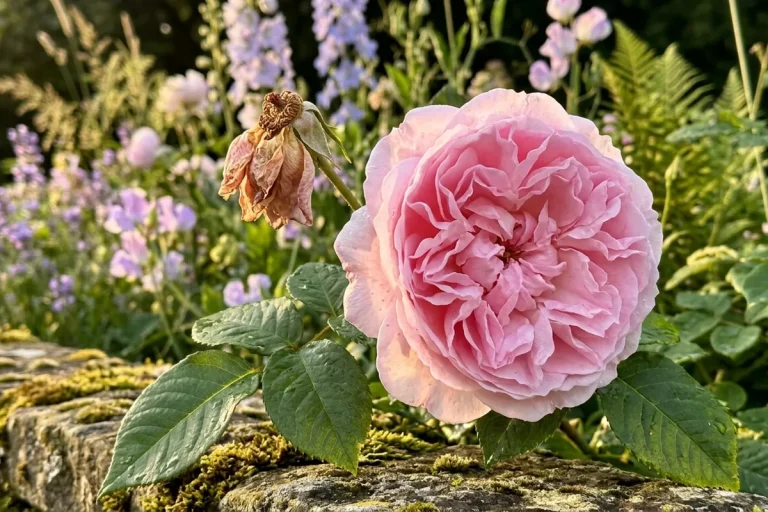
A scrambling native rose with simple flowers rich in pollen, followed by hips for winter birds. Let it weave through a hedge or along a fence; just trim back where it gets in the way.
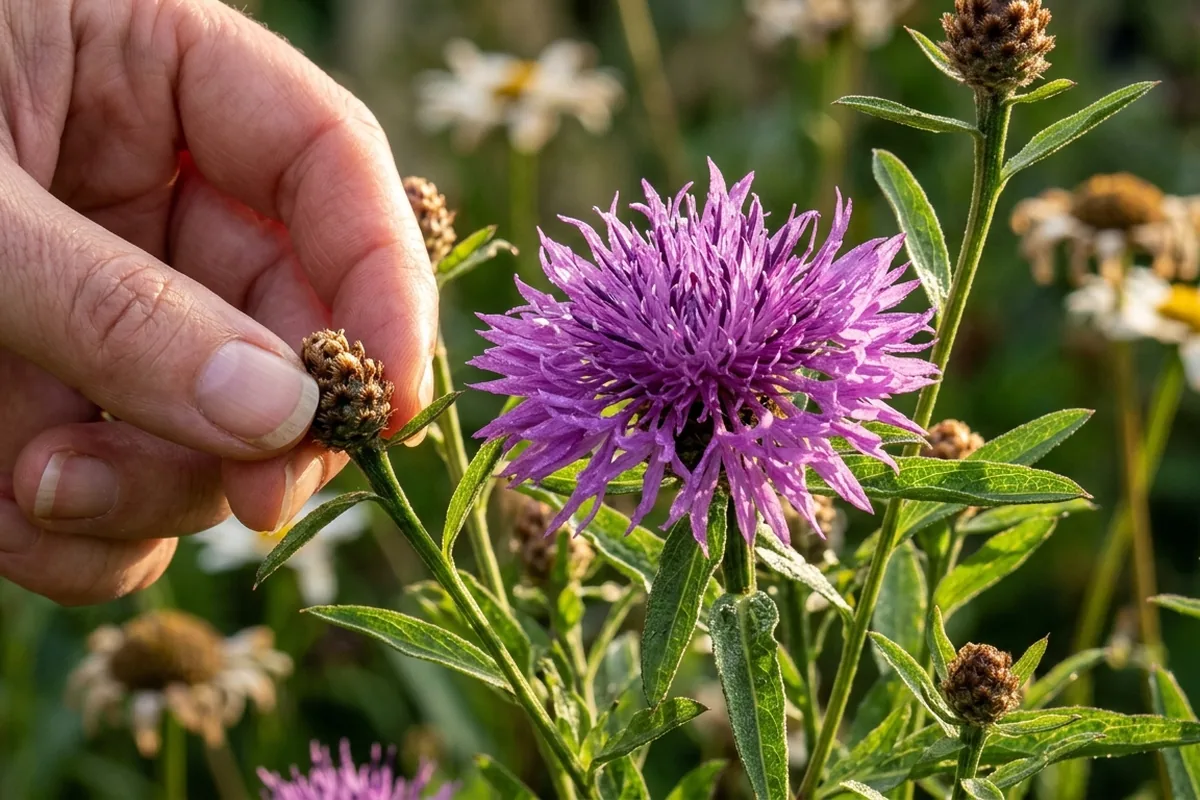
- Field scabious and knapweed (Knautia/Scabiosa, Centaurea)
Long-flowering meadow perennials that bees and butterflies flock to. Once clumps are established, you mostly just cut back dead stems at the end of winter.
- Oxeye daisy and red campion (Leucanthemum vulgare, Silene dioica)
Excellent for a wilder corner or verge-like strip. They tolerate fairly poor soil and patchy care. If the stems look floppy, they usually just need a harder cut back once a year.
If you lift a pot of these and it still feels heavy, wait – they cope far better with a brief dry spell than with sitting in soggy compost.
Natives for different spots in a UK garden
For a sunny border or strip of lawn you’re ready to lose, think of a mini-meadow:
- Fine grasses like sheep’s fescue
- Flowers such as bird’s-foot trefoil, selfheal and yarrow
Sow as a mix or plant small plugs, then cut once a year in late summer when most seed has dropped. This is the point where many people tidy too often; cutting monthly stops most flowers forming.
For light shade under trees or along a fence, try:
- Primroses and native bluebells (only buy English bluebells, not Spanish)
- Ferns such as male fern or lady fern
- Wood anemone if you have a cooler, undisturbed patch
These create a soft, layered look with almost no feeding. A quick finger check in dry spells is enough; if the soil is still cool and slightly damp a few centimetres down, leave the watering can where it is.
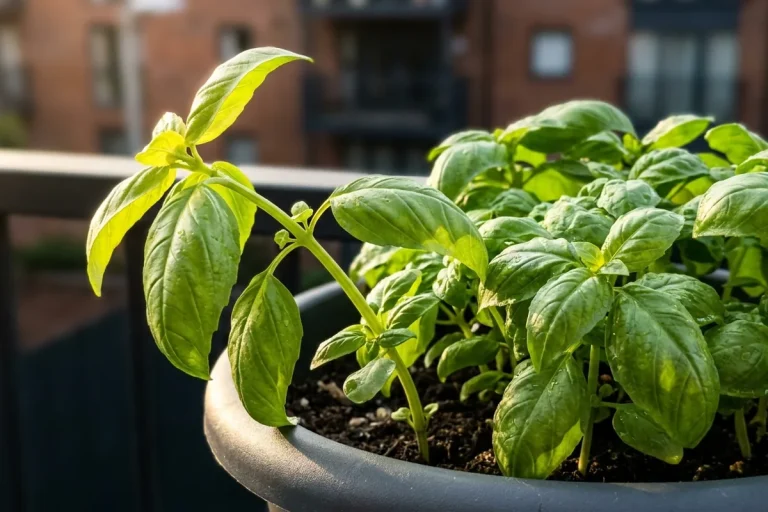
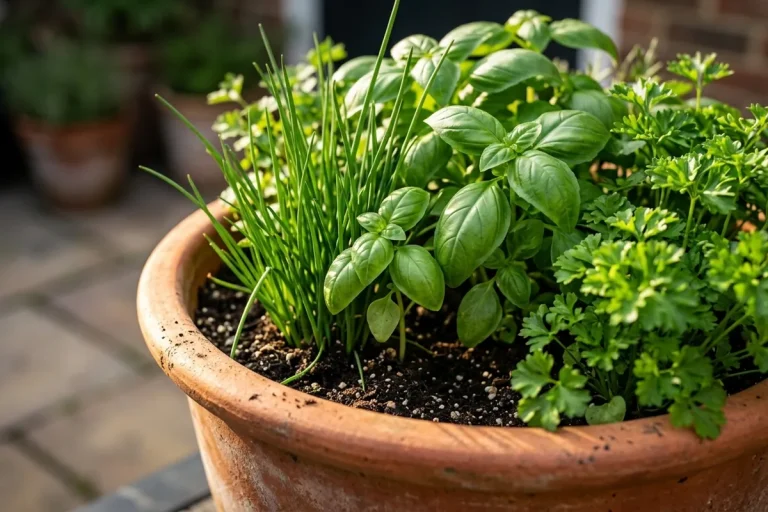
For pots and small patios, choose tough natives that accept containers:
- Wild marjoram (oregano) – nectar for butterflies, aromatic foliage for you
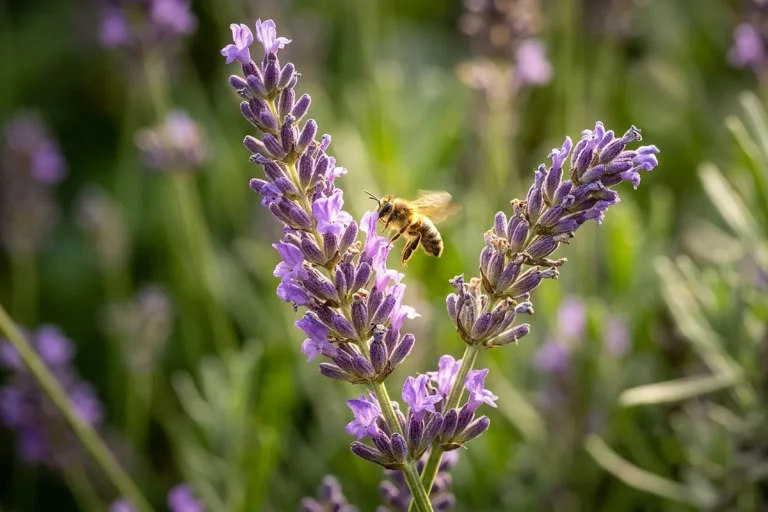
- Thyme and chives – herbs for the kitchen, flowers for bees
- Heather (Calluna vulgaris) – late nectar, winter structure
Use peat-free compost with drainage holes and empty any saucer that’s still holding water the next morning.
Keeping it low maintenance and wildlife-friendly
To keep effort low and wildlife high:
- Avoid rich feeding and constant deadheading. Native plants usually do best in average to poor soil; over-feeding can make them lush but short-lived and less useful for insects.
- Leave some dead stems and seedheads over winter for shelter and food. Tidy in late February or March instead of autumn.
- Group plants in clumps. A drift of scabious or knapweed is easier to weed around and more visible to pollinators than single, dotted plants.
- Water deeply in the first summer, then only in long dry spells. Once roots are down, they should largely fend for themselves.
If the leaves on a new native plant look a bit chewed, pause before reaching for sprays. A few nibbles are often a sign the garden’s food chain is working, not failing.
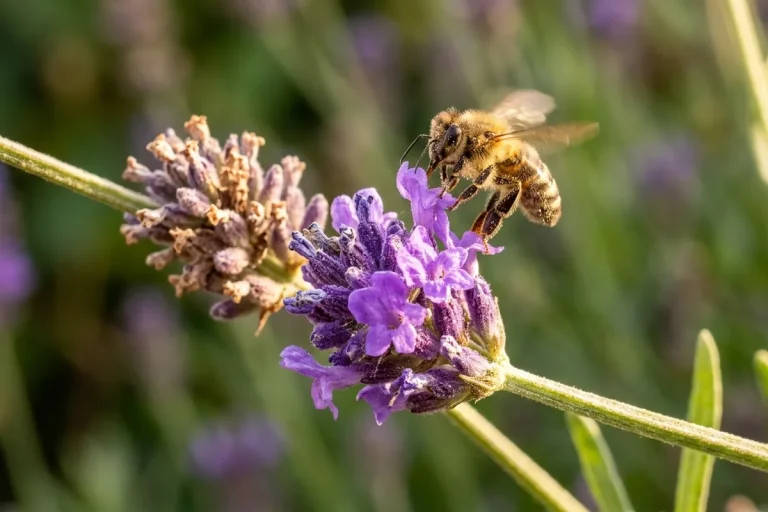
Start with one bed, one hedge line or even two wildlife-friendly pots on a balcony. Once you see bees queuing for the flowers and birds taking berries, it becomes much easier to plan the next small patch.
Reader note
The Flower Expert is an independent gardening publication. Your support helps us keep creating practical plant care guides for everyday UK readers.
This article was created with the assistance of AI and reviewed by an editor. It is intended as general gardening information, not personalised professional advice.
If you still have a question, or if something looks unclear or inaccurate, you can contact us through our contact form.
If you found this article helpful, please consider sharing it on social media or leaving a comment below with your own experience. It helps other readers too.