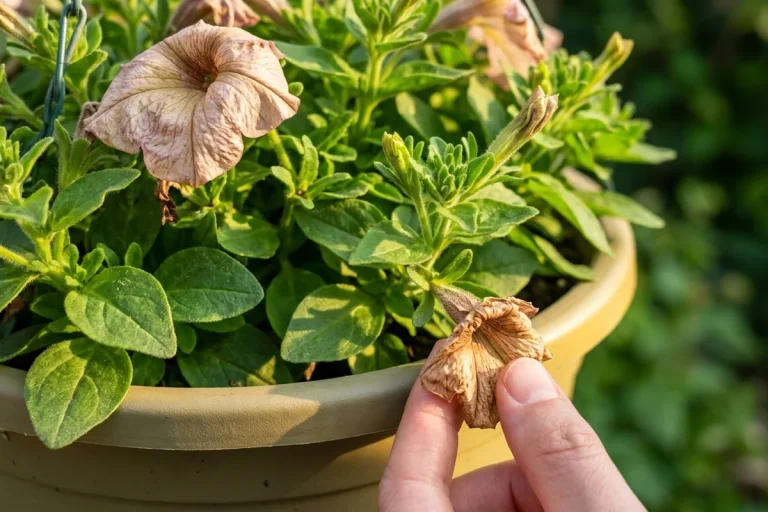

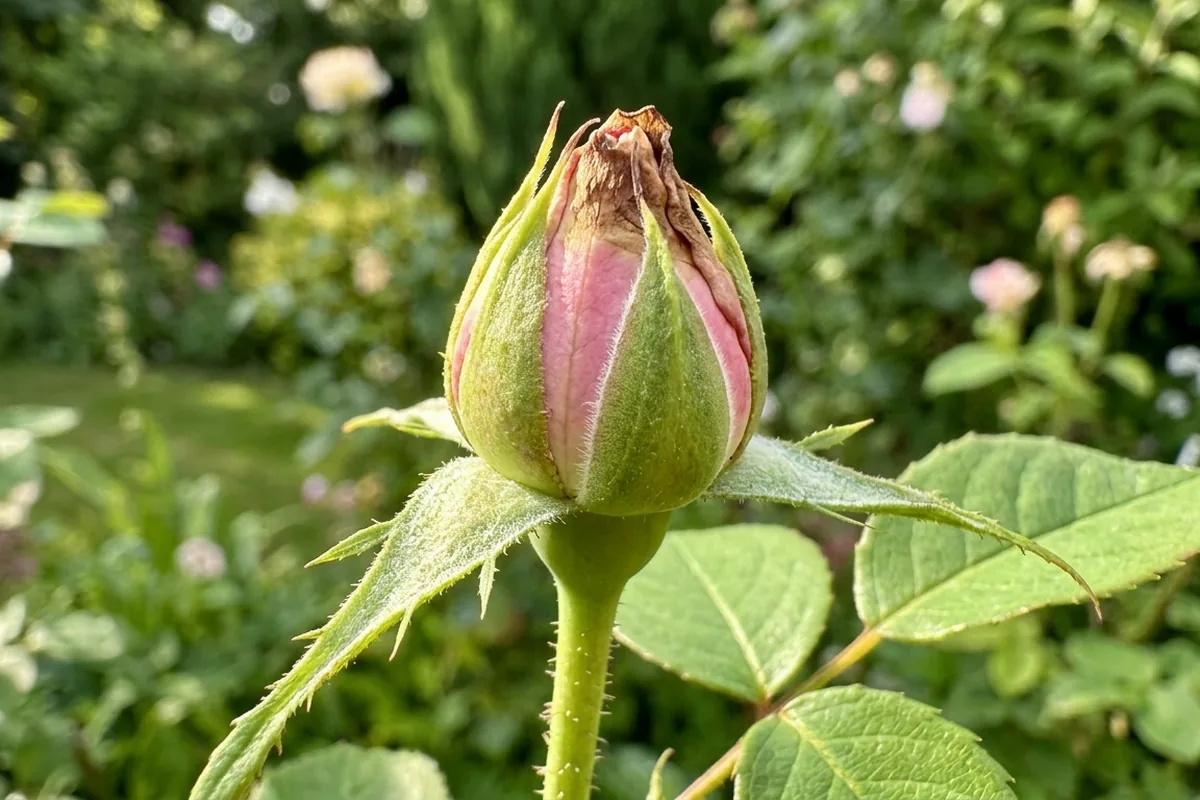
The problem usually starts quietly: tight buds that look full of promise, then turn brown, drop off or dry up before they ever open. You might see this on roses, camellias, indoor orchids, hibiscus, even on potted bulbs. Everything seems fine until the very last moment.
If this is happening on your plant, the hidden reason is usually not “a fussy variety” but stress around the roots just as the plant is trying hardest to flower.
The real culprit: roots under stress
Most buds fail because the roots cannot supply enough water and nutrients at the critical time. The plant then aborts buds to save itself.
That root stress often comes from one of three things:
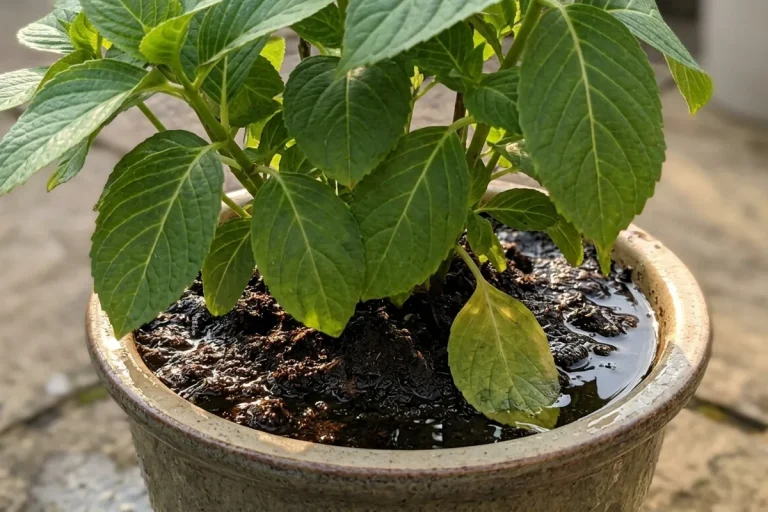
- Waterlogged compost – very common in pots and houseplants. The top looks dry, you water again, but underneath it’s still soggy. Roots sit in stale water, lack oxygen and start to rot. Buds shrivel or drop.
- Sudden drought – a patio pot in a dry summer spell, or a houseplant above a radiator. The plant forms buds, then the compost dries hard and pulls away from the pot. The next watering runs straight down the gap and out, leaving roots thirsty.
- Temperature shock – camellias with buds that drop after a hard frost, orchids by a draughty winter window, or a plant moved from a cool room to a hot, bright one. Roots struggle to keep up, so buds are sacrificed.
If the saucer is still holding water the next morning, or the pot feels unexpectedly heavy, wait. This is the point where many people water again too soon.
The checks to make before blaming the plant
Before changing feed, light or variety, do three quick checks:
- Compost moisture: Push a finger 3–4 cm down. If it’s cool and damp, do not water yet. If it’s dry and powdery, water thoroughly and let the excess drain.
- Pot and drainage holes: Look underneath. If roots are circling tightly or poking out in clumps, the plant may be pot-bound and unable to support all its buds. If no water ever comes out, drainage may be poor.
- Temperature and position: A bright but cold UK windowsill in winter, or a hot south-facing one above a radiator, will both stress buds. Draughts from doors or vents can have the same effect.
A quick finger check tells you more than the surface of the compost, which often misleads people.
How to help buds reach full bloom
Once you know roots are the issue, focus on calm, steady conditions rather than drastic fixes.
- Sort the watering rhythm: Water less often, but water thoroughly when needed. Let the top few centimetres dry first, then water until it just starts to run from the drainage holes. Always empty the saucer after 10–15 minutes.
- Improve drainage: For pots, use a peat-free compost with added grit or bark for roses, bulbs and many houseplants. Repot root-bound plants into a pot only one size bigger, firming gently so there are no big air gaps.
- Protect from shocks: For camellias and other spring shrubs, avoid morning sun after a frost and keep container plants out of cold, drying winds. For orchids and indoor plants, keep them away from radiators and cold draughts.
- Feed lightly, not heavily: A balanced liquid feed, used at the rate on the label, can support bud formation, but over-feeding a stressed plant can make things worse. If in doubt, feed less often rather than more.
If the leaves look worse after every “fix”, stop changing several things at once. Give the plant two or three weeks of stable care and watch what the new growth does, rather than the old, damaged buds.
Once you understand that buds fail because roots are unhappy, the next step is simple: check the compost, the pot and the temperature before anything else. One calm adjustment there is usually worth more than three different sprays or feeds.
Reader note
The Flower Expert is an independent gardening publication. Your support helps us keep creating practical plant care guides for everyday UK readers.
This article was created with the assistance of AI and reviewed by an editor. It is intended as general gardening information, not personalised professional advice.
If you still have a question, or if something looks unclear or inaccurate, you can contact us through our contact form.
If you found this article helpful, please consider sharing it on social media or leaving a comment below with your own experience. It helps other readers too.