
If your lawn is crisping at the edges, pots are drying out in a day and you’re tired of dragging the hose round, a gravel garden can be a relief rather than a last resort. Done well, it looks soft, natural and seasonal – not like a car park.
Simple ways to make gravel look green, not barren
The trick with gravel gardens is to treat the gravel as a mulch, not the main event. You’re creating pockets of planting in free‑draining ground, then covering the surface so it holds just enough moisture and suppresses weeds.
Good starting ideas:
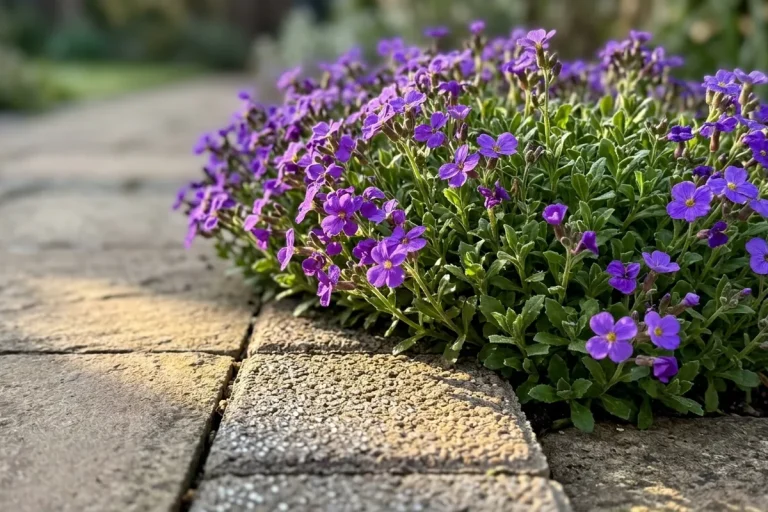
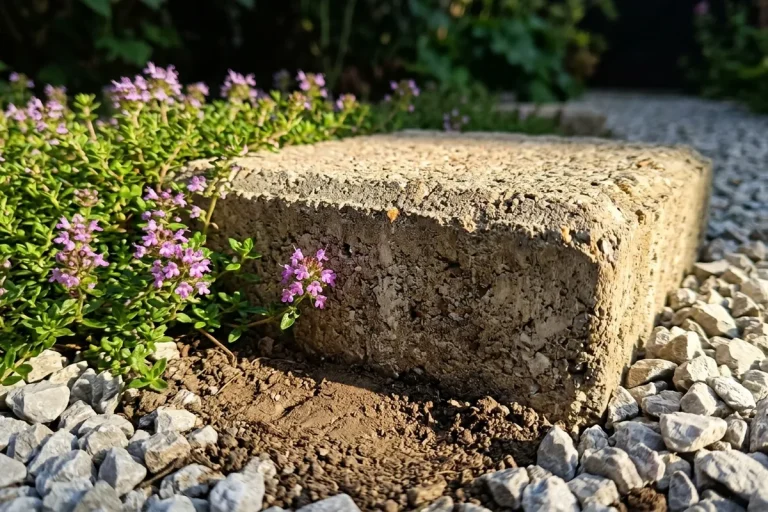
- Layered heights: use low mounds of thyme, erigeron and sedums at the front, with airy grasses like Stipa tenuissima and Verbena bonariensis rising through the gravel.
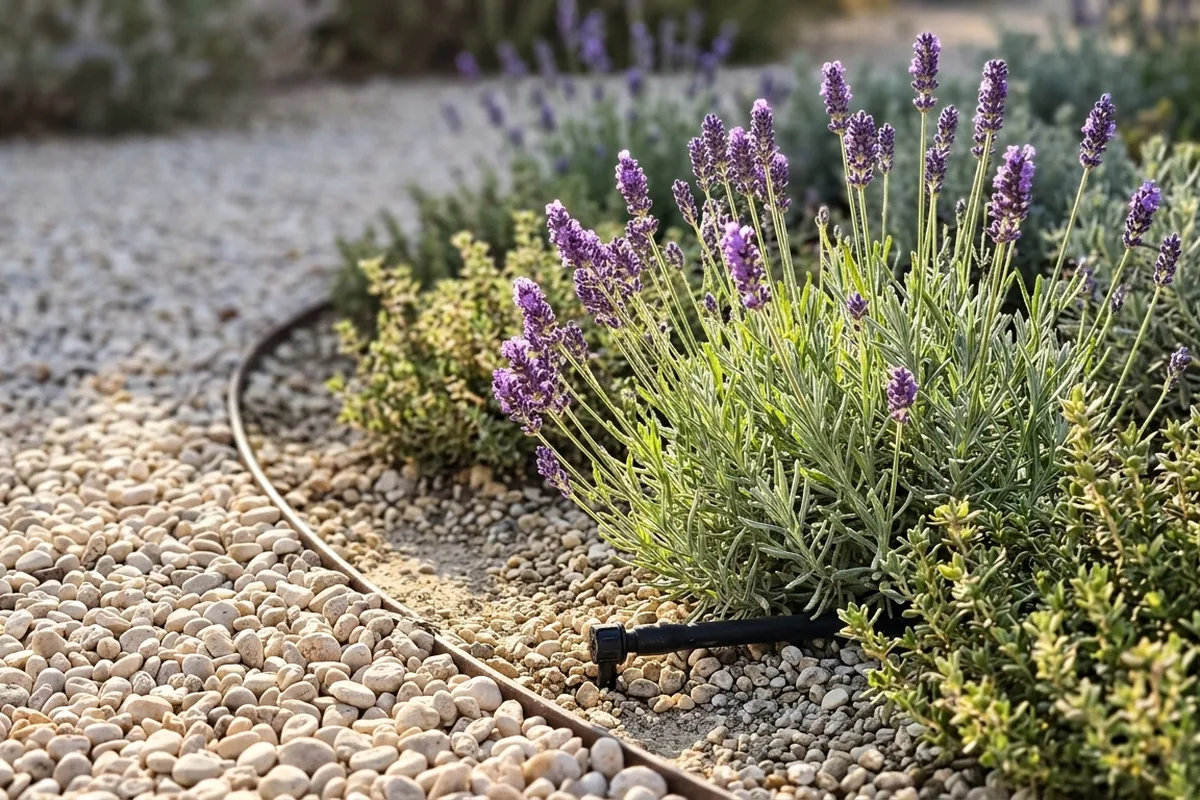
- Mediterranean backbone: plant drought‑tolerant shrubs such as rosemary, lavender, Cistus and small olives in the sunniest spots as permanent structure.
- Silver and grey foliage: artemisia, Perovskia (Russian sage) and lamb’s ears cope with dry soil and bounce light around on dull days.
- Self‑seeders for a relaxed look: let Californian poppies, verbena and nigella seed into the gravel; you can always thin them if they overdo it.
- Pockets of colour near paths: place the showiest plants – agastache, salvias, gaura – where you’ll see them up close, not lost at the back.
If you lift a stone and the soil underneath is still dark and damp, you’ve probably got enough moisture for these plants, even after a few dry days.
Getting the ground and gravel right
Before you buy a single bag of gravel, look at what you already have. Most UK gardens are on heavier soil that holds water; that’s the opposite of what drought‑tolerant plants want around their crowns.
Aim for:
- Improved drainage: remove turf or weeds, then dig in sharp sand and grit 20–30 cm deep where you’ll plant. On very clay soil, raised mounds work better than flat ground.
- The right gravel size: 10–20 mm angular gravel knits together nicely underfoot but still lets rain through. Very fine gravel can set like concrete.
- A breathable membrane, if any: if you use weed membrane, cut generous crosses so plant roots can get into the soil below. Solid plastic sheeting will create a soggy layer in winter.
- A decent depth: 4–5 cm of gravel is usually enough. If it’s so deep that stems look buried, scrape a little back; crowns sitting too low will rot in a wet spell.
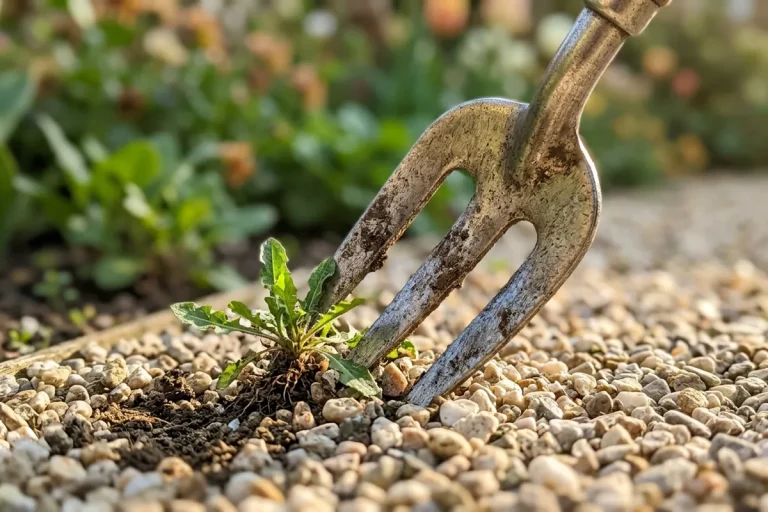
This is the point where many people cover everything too quickly. Plant first, water in well, then spread the gravel carefully around stems, keeping a small collar of soil visible.
Planting ideas for UK dry spots
Think about where the drought really bites. A south‑facing front garden, a hot gravel drive, a strip along a sunny wall or a balcony in full sun are all good candidates.
Reliable combinations for a UK gravel garden include:
- Sunny, open beds: mix lavender, Perovskia, Stipa, sedums, eryngiums and hardy geraniums. They cope well with a dry summer once established.
- Against a warm wall: try climbing roses with thyme and oregano at their feet, or fan‑trained figs with low grasses and salvias in front.
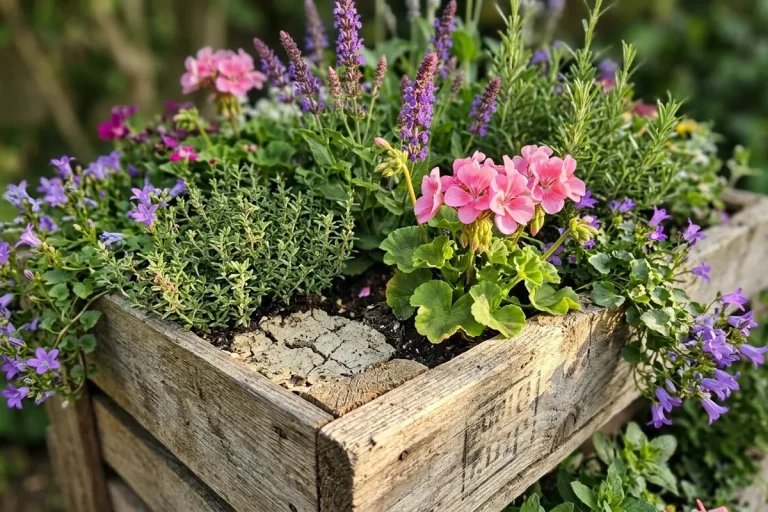
- Small spaces and balconies: use deep containers with a gritty compost mix and top with gravel. Olive, dwarf lavender, trailing rosemary and compact grasses give the same feel on a smaller scale.
- Wild, meadow‑like corners: combine smaller ornamental grasses with knautia, scabious and achillea. A quick finger check into the soil between plants tells you more than the dry gravel on top.
In the first year, you’ll need to water more often while roots go down. After that, water deeply but infrequently, and resist the urge to fuss every time we get a warm week.
Start with one sunny strip or a single gravel bed rather than the whole garden. You’ll see which plants genuinely thrive in your conditions, and it’s far easier to adjust one area than to redo everything.
Reader note
The Flower Expert is an independent gardening publication. Your support helps us keep creating practical plant care guides for everyday UK readers.
This article was created with the assistance of AI and reviewed by an editor. It is intended as general gardening information, not personalised professional advice.
If you still have a question, or if something looks unclear or inaccurate, you can contact us through our contact form.
If you found this article helpful, please consider sharing it on social media or leaving a comment below with your own experience. It helps other readers too.