
When borders crisp at the edges and pots seem to dry out between breakfast and teatime, the right plants make all the difference. If your violas have collapsed and the lawn has gone patchy, it’s time to lean on flowers that actually enjoy heat and short dry spells.
Reliable flowers that cope with heat and missed waterings
These are the stalwarts that usually keep blooming through hot, dry weather once established in the ground.
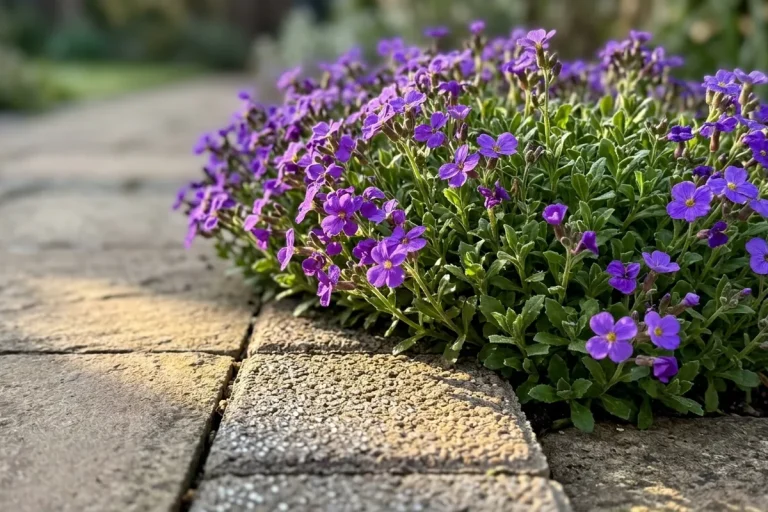
- Lavender (Lavandula angustifolia) – Loves sun and sharp drainage. Silver foliage shrugs off drought, and flowers bring in bees. Ideal for a front path or a dry, stony strip where other things sulk. Do not overwater; lavender hates sitting in damp compost.
- Sedum / Hylotelephium (ice plant) – Fleshy leaves store water, so it copes well in a dry border. Umbels of pink or red flowers in late summer are a magnet for pollinators. Needs full sun and reasonably poor soil.
- Gaura (Oenothera lindheimeri) – Airy wands of white or pink flowers that float above other plants. It likes a light, well-drained soil and full sun, and often keeps going when more pampered perennials flag.
- Echinacea and rudbeckia (coneflowers) – Deep roots help them find moisture lower down. They need a season or so to settle, then they’re surprisingly tough in a sunny, free-draining bed.
- Verbena bonariensis – Tall, see-through stems with lilac flower clusters. Once it’s found a spot it likes, it often seeds around and copes well with dry spells in a sunny border.
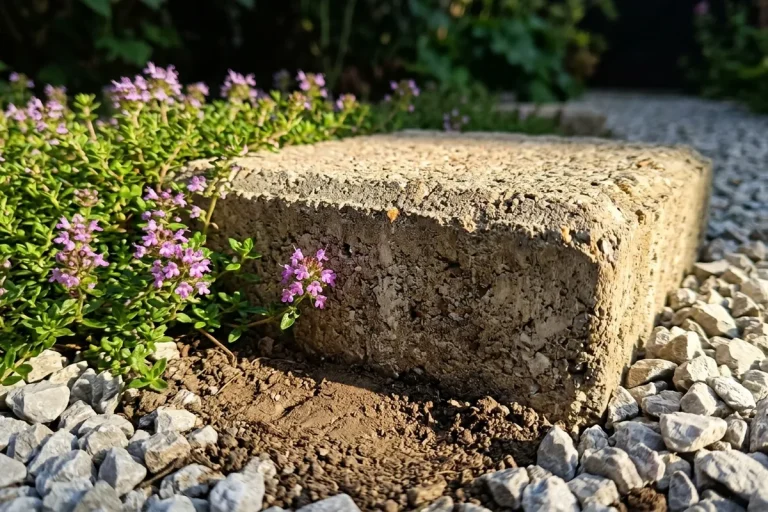
If this is happening on your plot – the soil is baked hard on top, but these plants still look upright – that’s a good sign you’ve chosen well.
Best summer bedding and container flowers for dry spells
Pots and baskets dry out faster than borders, especially on a sunny patio or balcony. Choose flowers that forgive the odd missed watering.
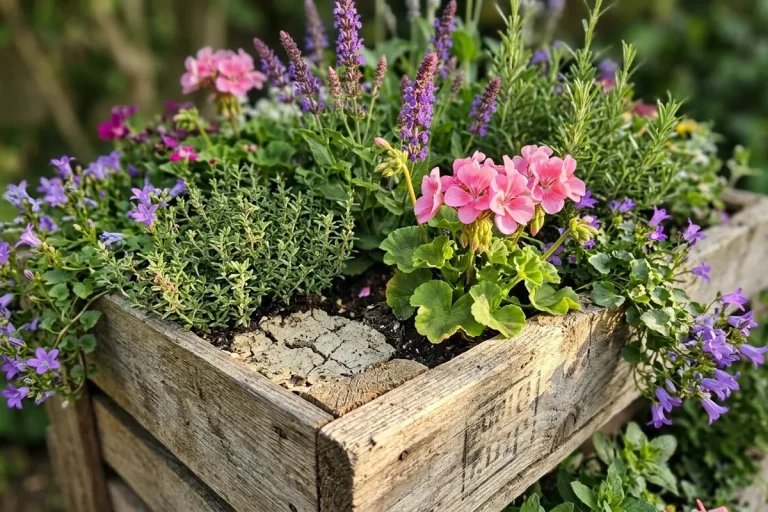
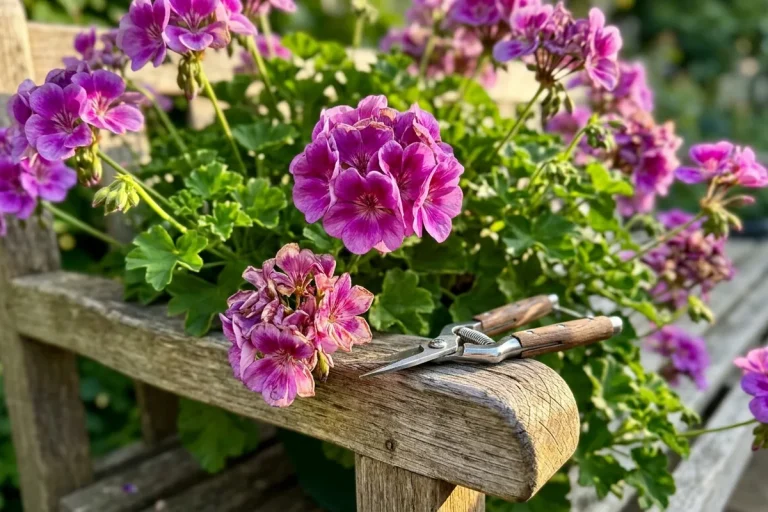
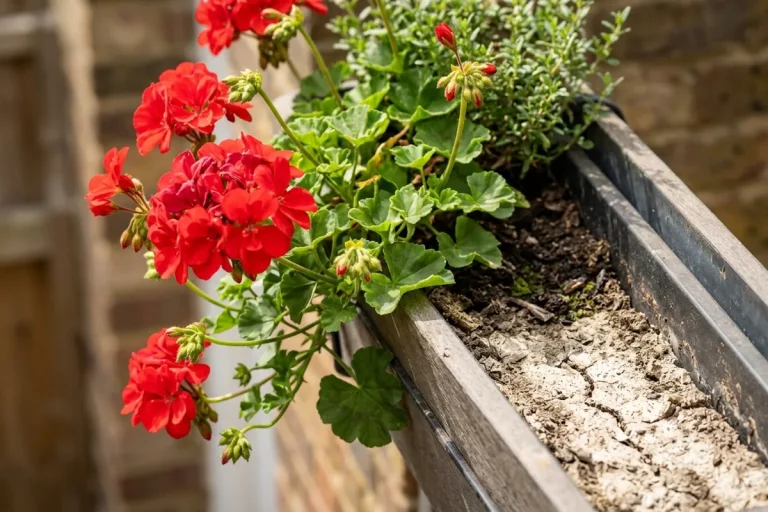
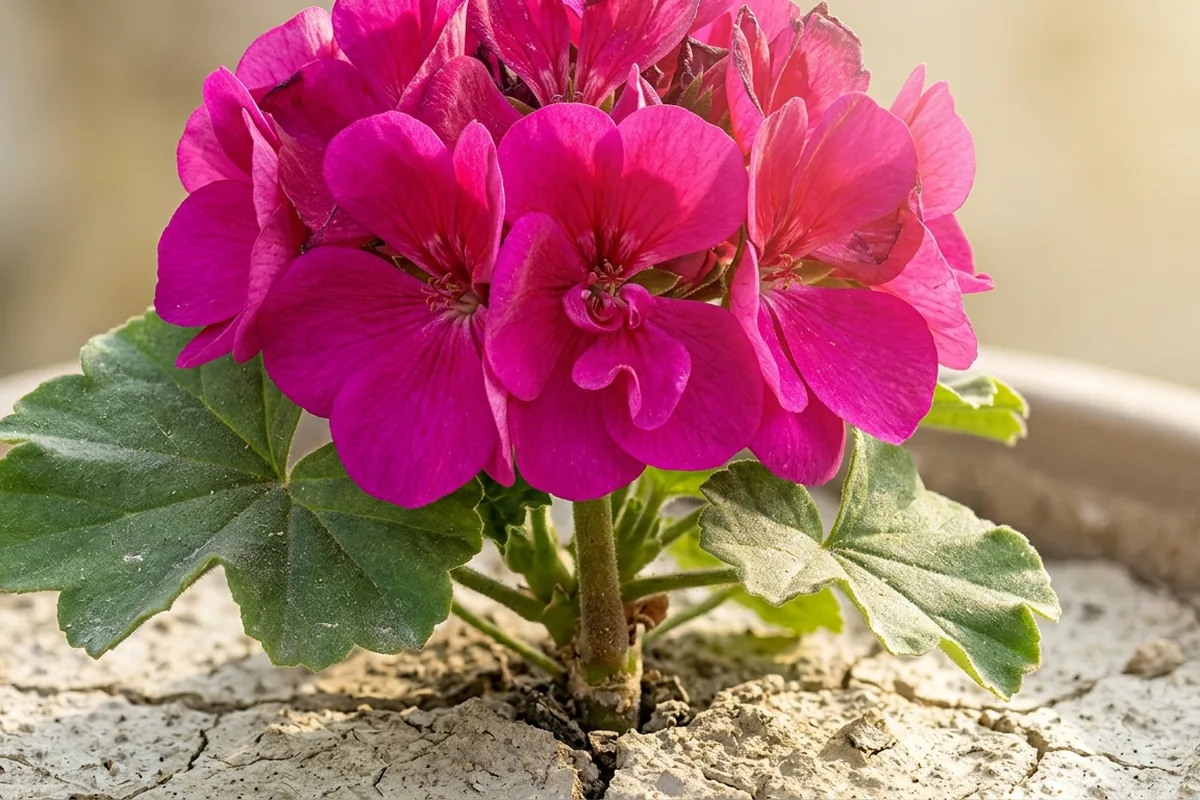
- Pelargoniums (zonal and ivy-leaved “geraniums”) – Thick, slightly fleshy stems and leaves help them cope with dry compost. They like full sun, and prefer to dry slightly between waterings. If the pot still feels heavy, wait.
- Gazania – Bold daisy flowers that open in sun and close in dull weather. They enjoy heat and good drainage, so they’re excellent in a shallow, free-draining container.
- Portulaca (moss rose) – Almost succulent, with vivid flowers. Very good in small, hot containers or wall pockets where other bedding would frazzle.
- Verbena (trailing types) – Good for baskets and the edges of pots. Once established, they usually cope with short dry spells, especially if you water deeply rather than a daily sprinkle.
Use a peat-free multipurpose compost with added slow-release fertiliser, and water thoroughly, then allow the top few centimetres to dry before watering again. A saucer still holding water the next morning is a sign you’ve overdone it.
Simple ways to help any flower through a heatwave
Even drought-tolerant plants benefit from a few tweaks when a hot spell arrives:
- Plant in the right place. Full sun really does mean at least 6 hours of direct light. Shade-lovers will scorch and wilt, no matter how often you water.
- Water deeply, but less often. A long soak encourages deeper roots; a quick sprinkle just wets the surface and can leave compost dry lower down. A quick finger check tells you more than the surface.
- Mulch borders. A 3–5 cm layer of garden compost, bark or gravel around perennials helps keep moisture in and roots cooler.
- Group pots together. This creates a slightly cooler, more humid pocket and slows drying. Terracotta dries faster than plastic, so watch those pots first.
If the leaves look worse after every “fix”, stop changing several things at once. Check drainage holes, how quickly the compost dries, and whether the plant is actually suited to that hot, exposed spot.
Choose two or three of these heat-lovers to trial this summer, notice which stay upright on the hottest afternoons, and build your planting around those survivors next year.
Reader note
The Flower Expert is an independent gardening publication. Your support helps us keep creating practical plant care guides for everyday UK readers.
This article was created with the assistance of AI and reviewed by an editor. It is intended as general gardening information, not personalised professional advice.
If you still have a question, or if something looks unclear or inaccurate, you can contact us through our contact form.
If you found this article helpful, please consider sharing it on social media or leaving a comment below with your own experience. It helps other readers too.