
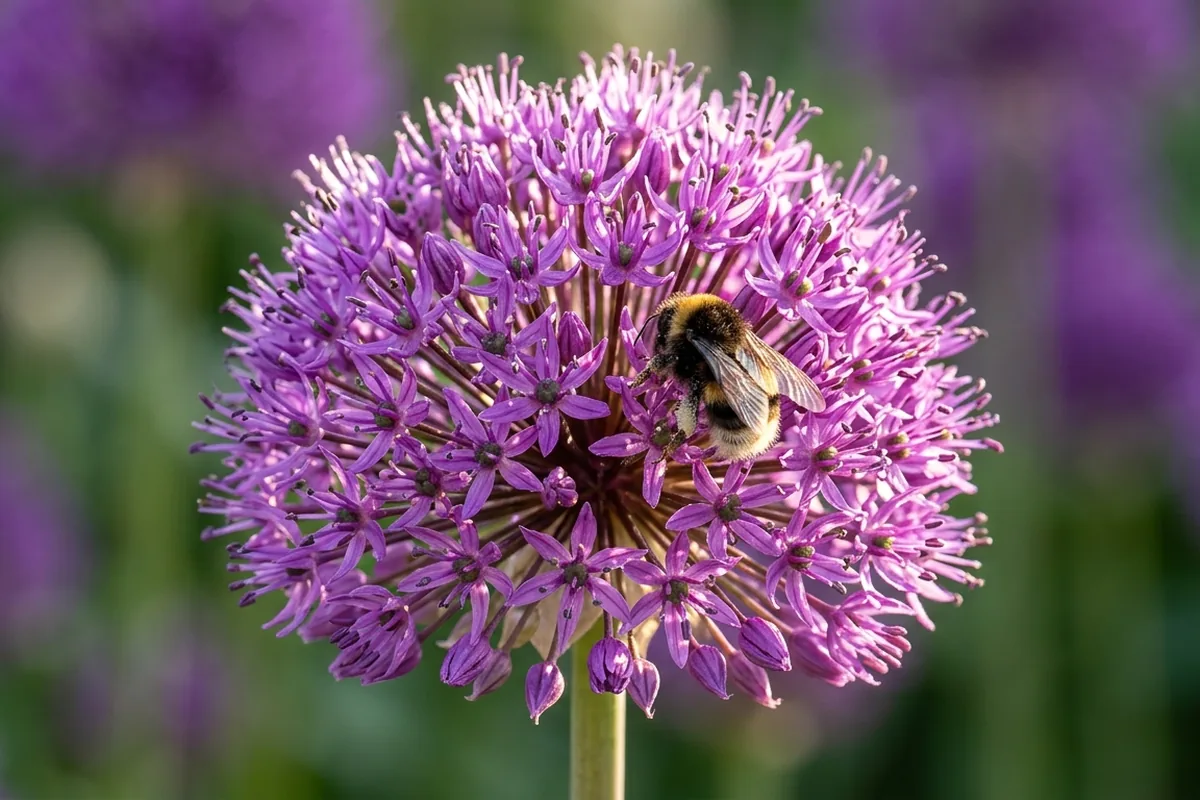
If your garden feels quiet in summer – few bees, few hoverflies, not much movement – the planting probably isn’t giving them what they need: simple, open flowers from early spring right into autumn.
The top 8 bee-friendly flowers
Here are eight reliable, easy-to-find flowers that work well in UK gardens, balconies and pots.
- Lavender (Lavandula angustifolia)
Classic for a reason. Bees love the open, scented spikes and will work along a hedge for hours. Plant in full sun, free-draining soil or a gritty compost in pots. Avoid over-watering; if the pot still feels heavy, wait.
- Catmint (Nepeta)
Soft, hazy blue flowers from late spring into summer. Very busy with bees on warm days. Good along a path or at the front of a border. Cut back lightly after the first flush to encourage more flowers.
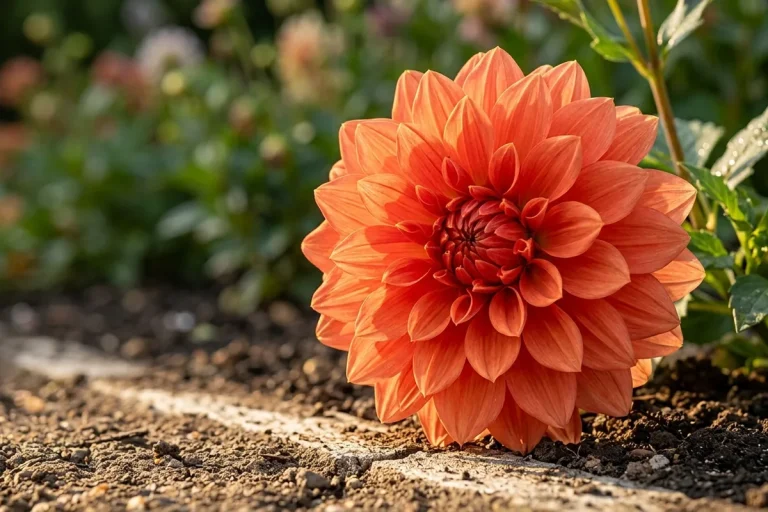
- Single-flowered dahlias
Choose single or simple ‘open-centred’ types, not big pompons or doubles. Bees need to see and reach the pollen. Grow in sun, feed regularly, and deadhead as soon as flowers turn brown to keep them coming.
- Echinacea (coneflowers)
Strong daisy-like blooms with raised centres that bees and butterflies crowd onto. They like sun and soil that doesn’t sit wet in winter. If stems start to flop, a discreet stake helps.
- Sedum / Hylotelephium (ice plant)
Late-summer to autumn flowers that can be covered in bees when other things are fading. Ideal in poorer, well-drained soil. Leave the seedheads standing over winter for structure, then cut back in early spring.
- Foxgloves (Digitalis)
Tall spires with bell flowers that bumblebees happily disappear into. Biennial: foliage in year one, flowers in year two. Let a few seed around and you’ll have a gentle drift each year.
- Scabious (Scabiosa)
Pincushion flowers that keep going for months if you deadhead regularly. Great in a sunny border or deep pot on a patio that dries out quickly in warm spells – just water thoroughly when the top few centimetres are dry.
- Cosmos
Fast from seed, light and airy, with open daisy flowers. Ideal for filling gaps. Needs sun and regular deadheading. If the stems are all leaves and few flowers, they may be getting too much feed or not enough light.
How to make these flowers work harder for bees
To turn a few bee-friendly plants into a genuinely useful garden:
- Stretch the season. Aim for flowers from March to October: bulbs and hellebores early on, these eight through summer, then sedum, asters and ivy later.
- Plant in clumps. A single stem in a crowded border is easily missed. Three or five of the same plant together make a clear target.
- Avoid most pesticides. Especially on anything in flower. If you must use a product, check the label and apply when bees are not flying.
- Skip highly double flowers. If you can’t see the centre, bees usually can’t reach it.
If this is happening in your garden – plenty of foliage, but bees only visit one or two plants – focus on adding more of what they clearly use, rather than buying lots of different oddments.
Small spaces, pots and a quick start
You don’t need a big border. A bright balcony, doorstep or small patio can still feed bees:
- Use a large pot for lavender or catmint as an anchor.
- Tuck in cosmos or scabious around the edges.
- Add one taller plant, like a foxglove at the back if there’s a sheltered corner.
Before you buy, simply check the flowers: look for simple shapes with visible centres, and ideally, plants that already have a bee or two visiting at the garden centre.
Start with one or two of these flowers this season, notice which ones the bees choose, then repeat those through your space. A few well-chosen plants, planted in small groups, will do far more for bees than a scatter of showy but nectar-poor blooms.
Reader note
The Flower Expert is an independent gardening publication. Your support helps us keep creating practical plant care guides for everyday UK readers.
This article was created with the assistance of AI and reviewed by an editor. It is intended as general gardening information, not personalised professional advice.
If you still have a question, or if something looks unclear or inaccurate, you can contact us through our contact form.
If you found this article helpful, please consider sharing it on social media or leaving a comment below with your own experience. It helps other readers too.