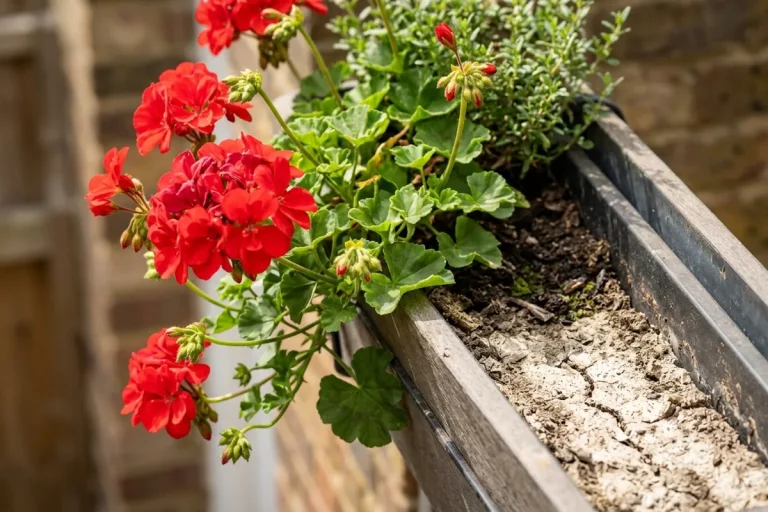

The same border can be waterlogged in February, baked solid in July and hit by a hot wind a few weeks later. If your lawn is patchy, pots dry out overnight and heavy rain still leaves plants wilting, your garden is feeling the new extremes.
Start with soil and water, not plants
Climate-proofing starts below the surface. Healthy, open soil copes far better with both downpours and dry spells.
- Add organic matter every year – garden compost, well-rotted manure or leaf mould. This helps heavy clay drain faster and light sandy soil hold more moisture.
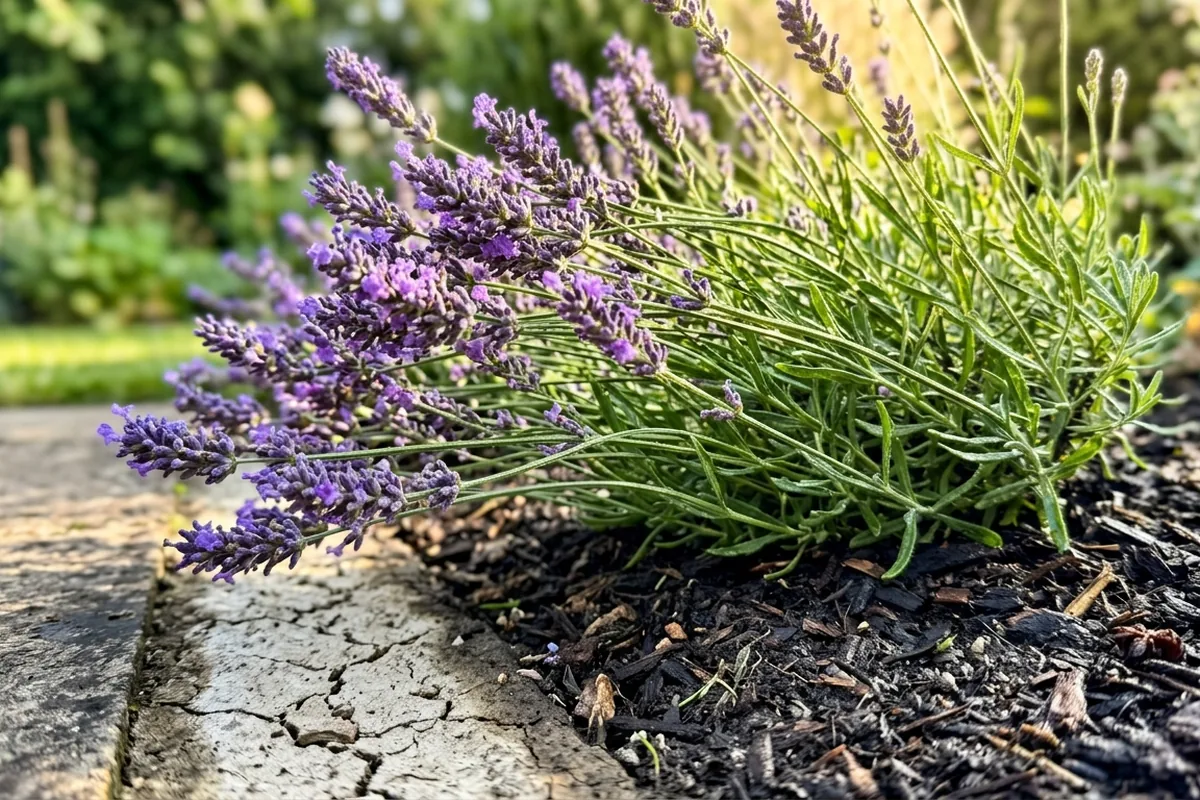
- Mulch beds and around shrubs with 5–8 cm of compost, bark or chipped prunings. This slows evaporation, keeps roots cooler and softens the impact of heavy rain.
- Improve drainage where water sits. If you regularly see puddles after rain, raise beds slightly, add grit to planting holes for perennials, or run a short gravel-filled trench to a soakaway.
- Store rain when you have it. Fit water butts to downpipes, sheds and garages. Two smaller butts are often easier to tuck in than one big one.
Before you water in summer, check 5 cm down. If the surface looks dusty but it’s still cool and damp underneath, wait. This is the point where many people water again too soon and encourage shallow roots.
Choose plants that can ride the extremes
A climate-proof garden is less about “drought plants” and more about plants that tolerate swings.
Look for:
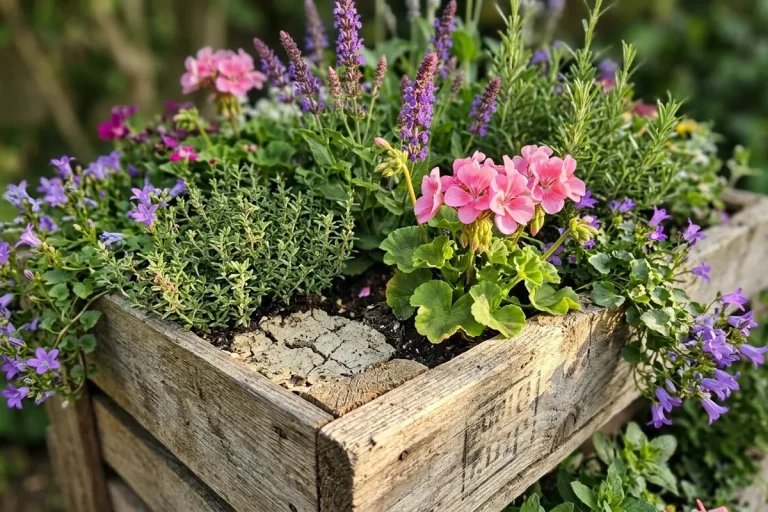
- Deep-rooted perennials and shrubs like rosemary, lavenders, salvias, echinacea, achillea and many grasses. Once established, they reach moisture lower down.
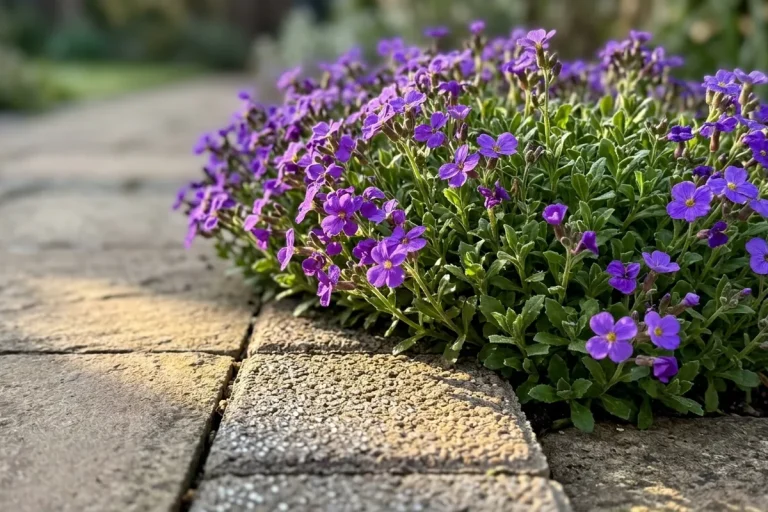
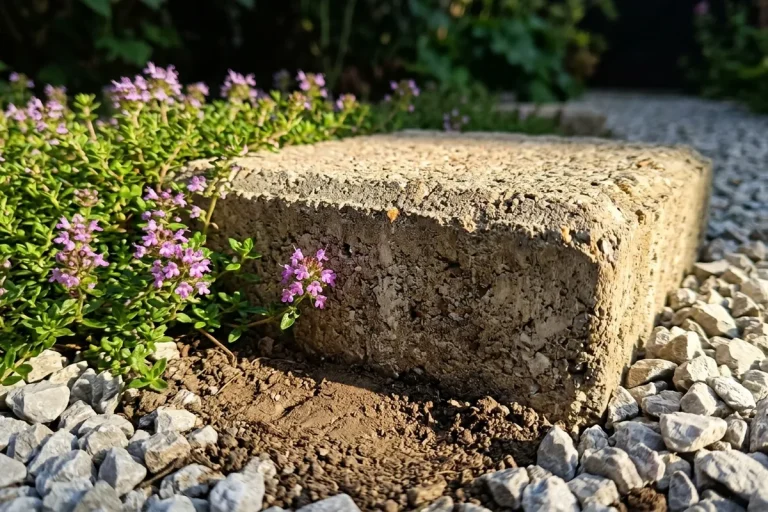
- Tough groundcovers such as hardy geraniums, thyme and creeping campanula to shade the soil and reduce moisture loss.
- Resilient trees and larger shrubs to cast light shade – small ornamental trees, crab apples, amelanchier or multi-stemmed hazel can cool a border without making it gloomy.
In wetter spots, go with the conditions: dogwoods, hostas, astilbes and iris can all enjoy damp but not boggy ground. If your lawn constantly turns to mud, consider a smaller, well-drained lawn and more planting, gravel or paths.
When planting, water deeply and then mulch. A newly planted shrub in a heatwave will need steady watering in its first season, even if it’s “drought tolerant” long term.
Design small features that soften rain, wind and heat
You do not need to redesign the whole garden. A few small changes can make extremes less brutal.
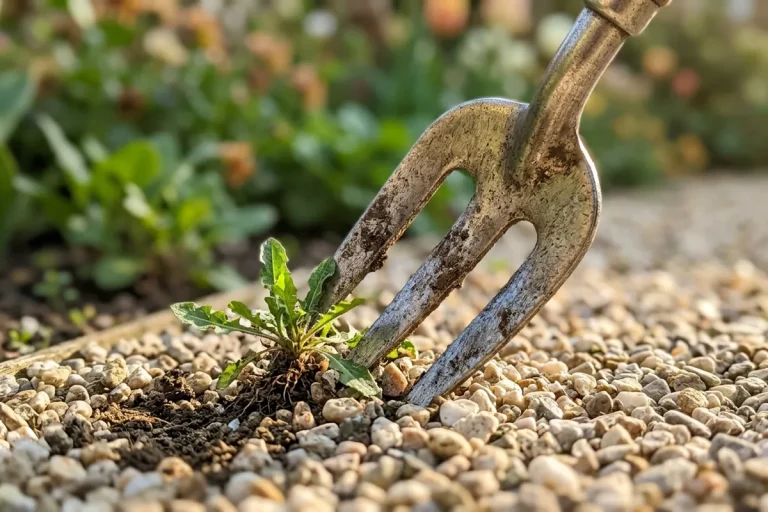
- Break up hard surfaces. Replace some paving with gravel strips or planting pockets so rain can soak in rather than run off.
- Shelter from hot, dry winds. A slatted fence, trellis with climbers or a loose hedge slows wind without creating damaging turbulence.
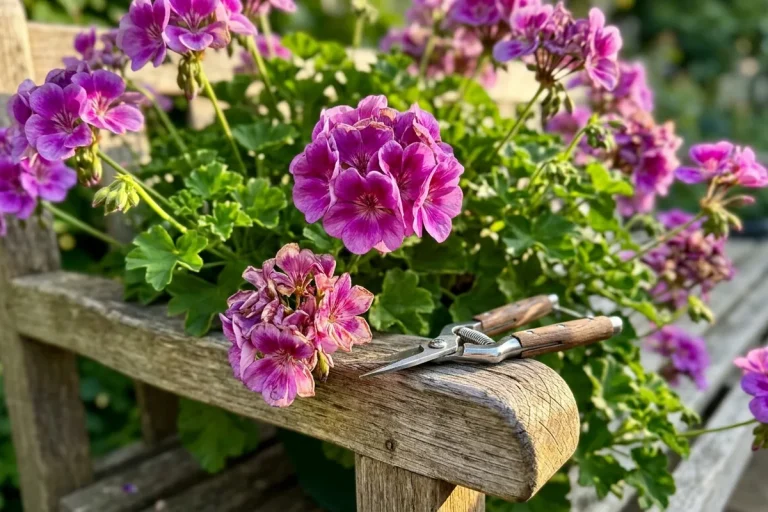
- Use containers cleverly. Large, grouped pots on a patio dry out more slowly than lots of small, scattered ones. If a saucer is still holding water the next morning, your compost is staying too wet.
- Create shade where you need it most. A light pergola, a tree or even a well-placed parasol can protect heat-sensitive pots and a south-facing seating area.
If the leaves on your plants look worse after every “fix”, stop changing several things at once. Check the pattern across the garden – which areas cope best with extremes? Copy those conditions elsewhere.
A climate-proof garden is built in layers: better soil, smarter water use, tougher planting and small bits of shelter. Pick one area – a border, a windy corner, a thirsty patio – and start there. Each small change will make the next heatwave or downpour feel less like a crisis and more like weather your garden can handle.
Reader note
The Flower Expert is an independent gardening publication. Your support helps us keep creating practical plant care guides for everyday UK readers.
This article was created with the assistance of AI and reviewed by an editor. It is intended as general gardening information, not personalised professional advice.
If you still have a question, or if something looks unclear or inaccurate, you can contact us through our contact form.
If you found this article helpful, please consider sharing it on social media or leaving a comment below with your own experience. It helps other readers too.