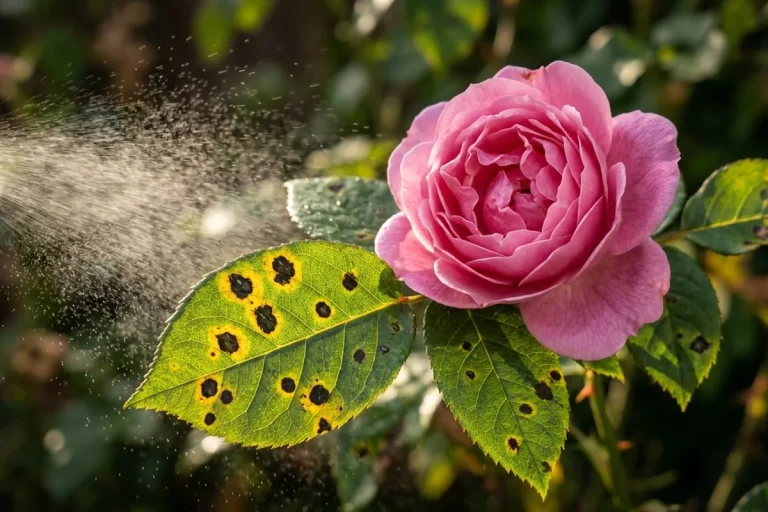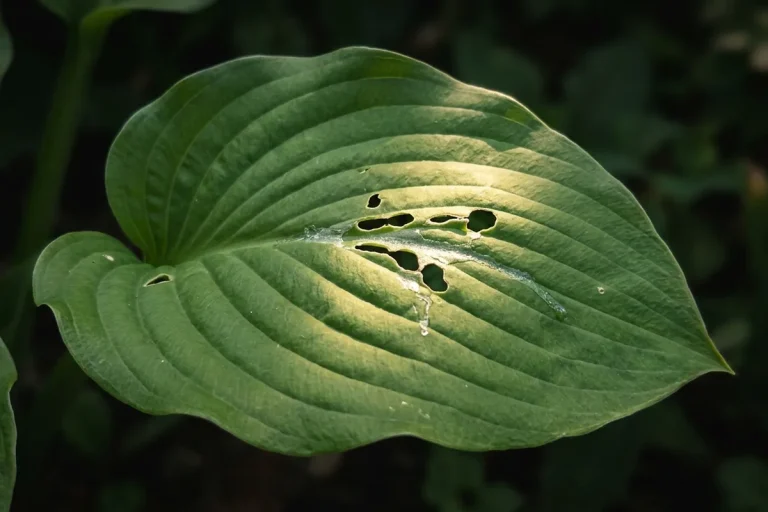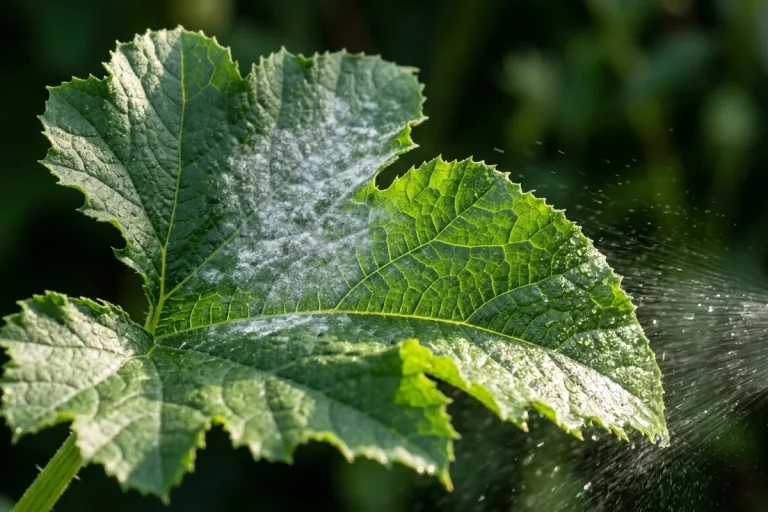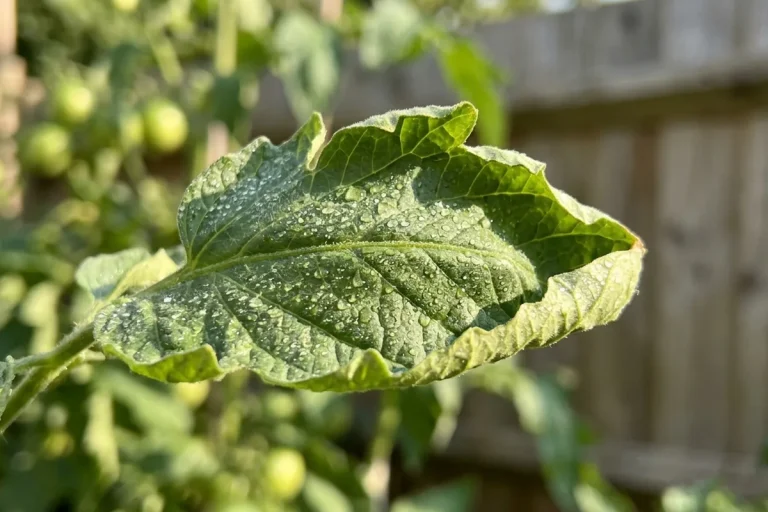

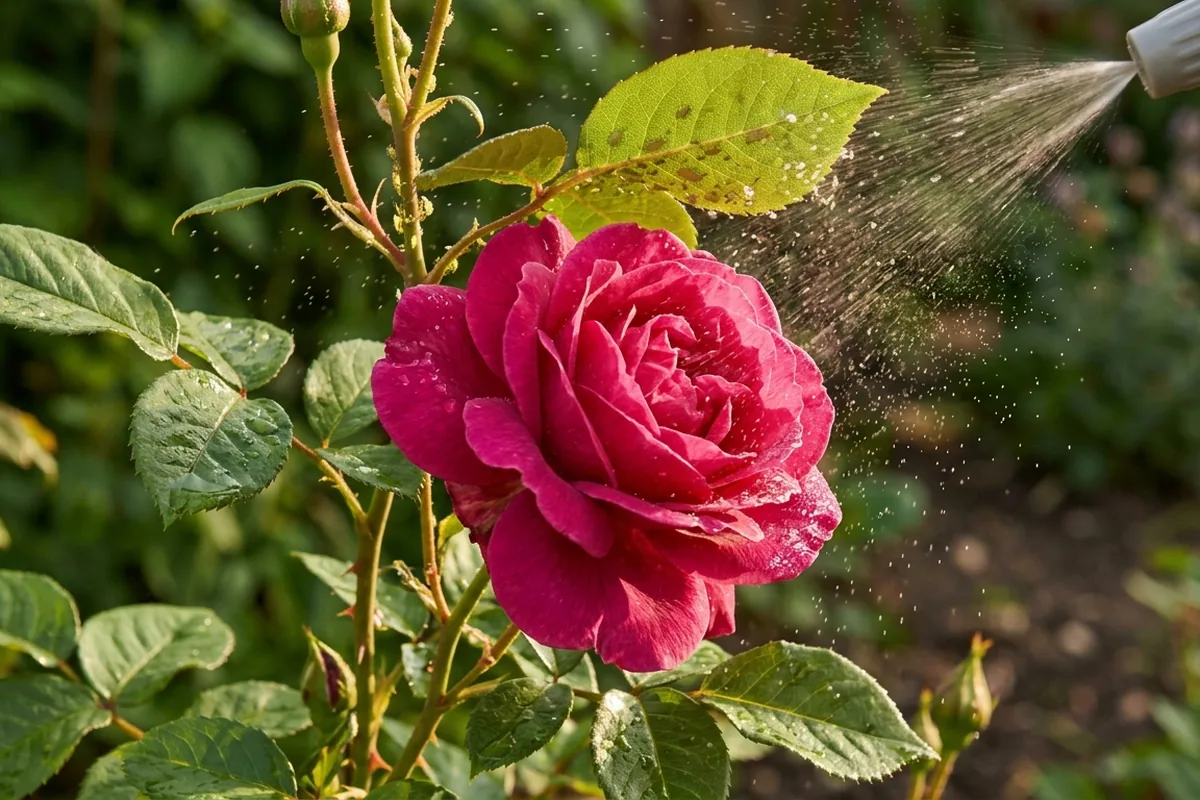
The first thing to check is whether the damage really is aphids. Look for clusters of tiny soft-bodied insects on new rose shoots and buds, curled leaves and a sticky shine (honeydew) on foliage. If your rose tips are distorted and covered in green, black or pale insects, you are in the right place.
Natural ways to knock aphids back fast
Aphids are soft and easily dislodged. On roses, regular, gentle control works better than one dramatic treatment.
- Hose them off: On a mild day, use a spray nozzle on the hose and wash aphids from stems and buds. Aim underneath leaves as well. Support the stem with your hand if it’s flexible. If you check the next morning and still see clusters, repeat every few days.
- Finger and thumb squash: On a small shrub or a single patio rose, simply run your fingers along the infested shoots and wipe or squash the aphids. It is messy but very effective and completely chemical-free.
- Mild soapy spray: Mix a few drops of plain, fragrance-free washing-up liquid in a litre of water and mist affected areas, especially shoot tips. The soap helps break down the aphids’ outer coating. Rinse lightly with clean water after an hour or two so the leaves are not left sticky. Always test on one small shoot first.
- Prune out badly affected tips: If one or two soft shoots are completely covered, snip them off and bin them (not on the compost if heavily infested). This also encourages new, clean growth.
Do not rush to spray anything stronger; heavy chemicals also kill the insects that eat aphids for you.
Encouraging nature to do most of the work
If this is happening on your roses every spring, the longer-term answer is to make life easy for aphid predators.
- Ladybirds and their larvae eat large numbers of aphids. Avoid broad-spectrum insecticides and you’ll usually start to see them once the weather warms.
- Hoverflies and lacewings are also helpful. They like mixed planting, not bare soil. A few simple flowers nearby – marigolds, calendula, dill, fennel, achillea – can attract them.
- Birds will take aphids from shrub roses and climbers. A small bird feeder or a nearby hedge often helps keep numbers in check.
The useful clue is not one leaf, but the overall pattern: if new growth starts to come through clean after a couple of weeks, predators are probably working alongside your efforts.
Keeping roses healthier so aphids are less of a problem
Aphids prefer soft, sappy growth and stressed plants.
- Avoid overfeeding with high-nitrogen fertiliser; follow the packet and do not double up.
- Water deeply in dry spells so the whole root area is moist, especially for roses in pots where compost can look dry on top but still be wet underneath.
- Improve soil with garden compost or well-rotted manure so roses grow sturdier, less succulent shoots.
- Check for ants farming aphids. If you see lots of ants running up and down the stems, deal with ant nests nearby using non-chemical methods or products labelled as safe for gardens.
If the leaves look worse after every “fix”, stop changing several things at once. Go back to basics: rinse aphids off, prune the worst tips, then give the rose steady care and time.
Aphids on roses are almost inevitable in a UK spring, but they rarely need harsh sprays. Start with water, fingers and a little soap if needed, then let ladybirds and birds do their share. Before you reach for anything stronger, step outside, look closely at the new shoots, and choose one small action to do today.
Reader note
The Flower Expert is an independent gardening publication. Your support helps us keep creating practical plant care guides for everyday UK readers.
This article was created with the assistance of AI and reviewed by an editor. It is intended as general gardening information, not personalised professional advice.
If you still have a question, or if something looks unclear or inaccurate, you can contact us through our contact form.
If you found this article helpful, please consider sharing it on social media or leaving a comment below with your own experience. It helps other readers too.