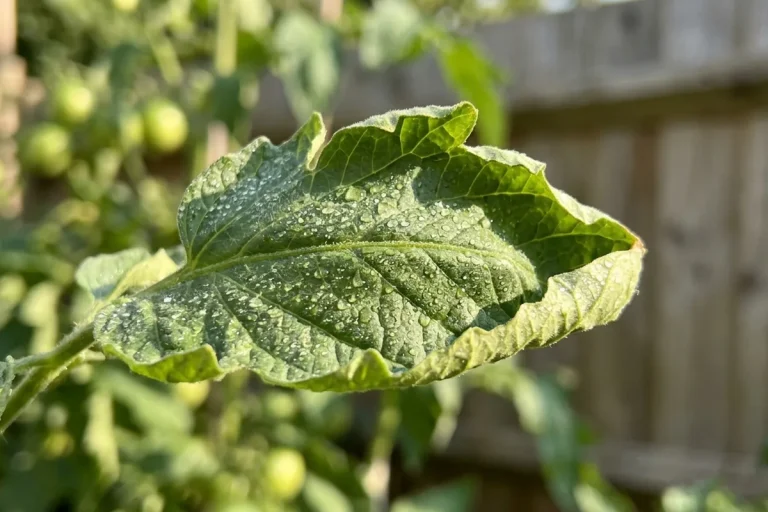


The problem usually appears as crisped fronds, brown edges and a plant that looks tired rather than lush, even though it sits in what should be a cool, shady corner. Often the compost feels dry just a day or two after watering, or the fronds nearest a fence or wall are worst.
The key steps that actually keep ferns moist
Shade alone does not guarantee moisture. Dry soil, tree roots and wind can strip water surprisingly fast, even in a north-facing border.
Focus on three things: the soil, the microclimate and how you water.
- Improve the soil: Work plenty of garden compost, leaf mould or well-rotted bark into the planting area. Ferns like moisture that lingers, not heavy, airless clay. If your soil cracks in summer, it needs more organic matter.
- Mulch thickly: After rain or a good soak, add a 5–8 cm mulch of leaf mould, composted bark or fine woodchip around the crowns, keeping it just away from the fronds. This slows evaporation and keeps the root zone cool.
- Water deeply, not lightly: When the top few centimetres are dry, water at the base until the soil is damp a hand’s depth down. If you push your fingers in and it’s still cool and moist, wait. This is the point where many people water again too soon or, just as often, not enough.
- Shelter from wind: Even in shade, a breezy side passage or exposed corner will dry fronds. A low fence panel, trellis or a few taller plants in front can cut the wind and help the fern hold its moisture.
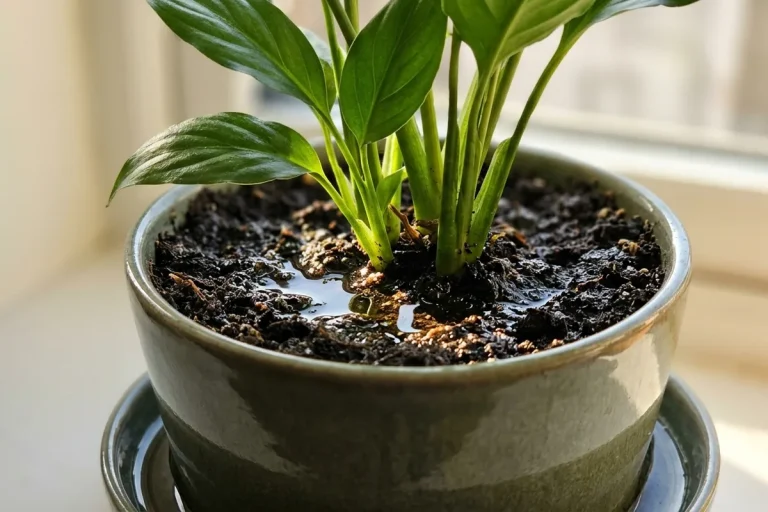
If your fern is in a pot, choose a deep container with good drainage holes, use peat-free compost with added leaf mould or bark, and stand it in a sheltered, shaded spot where the pot itself isn’t baking.
Small changes that make a big difference
Ferns hate big swings: soaking wet one week, bone dry the next. Try to keep conditions steady.
- Group plants together in shady areas so they create their own humid pocket.
- Avoid planting right under thirsty shrubs or trees where roots steal the moisture.
- In a dry spell, water in the evening, so less is lost to evaporation and more reaches the roots.
- If fronds are badly crisped, trim off the worst and let new growth come through once the roots are happy again.
For very dry, shady gardens, choose ferns that cope better with these conditions, such as Dryopteris (male fern) and Polystichum (shield ferns), and give fussier types the best, most sheltered spots.
When your fern is still struggling
If this is happening on your plant even after improving the soil and watering, look more closely at the pattern:
- Brown tips only: usually uneven watering or wind.
- Whole fronds crisping from the base: soil consistently too dry or roots competing with nearby plants.
- New fronds small and weak: plant may be too dry and also short of nutrients – a light feed with a general fertiliser in spring can help; always follow the packet.
Do not rush to move a fern in high summer. It is usually kinder to keep it watered and mulched, then lift and replant in a better, more sheltered position in autumn.
With better soil, a deep soak when needed and a bit of shelter, most ferns will recover and stay green through dry spells. Start with one bed or one pot, improve the soil and mulch it well, then watch how slowly it dries compared with the unmulched areas.
Reader note
The Flower Expert is an independent gardening publication. Your support helps us keep creating practical plant care guides for everyday UK readers.
This article was created with the assistance of AI and reviewed by an editor. It is intended as general gardening information, not personalised professional advice.
If you still have a question, or if something looks unclear or inaccurate, you can contact us through our contact form.
If you found this article helpful, please consider sharing it on social media or leaving a comment below with your own experience. It helps other readers too.