
When the forecast suddenly dips, it is not every plant you need to panic about – only the tender ones that hate a chill. If you are seeing drooping leaves on a pelargonium, a sad-looking basil on the patio or a dahlia that has flopped after a cold night, you are in the right place.
The tender plants to move first
Think about which plants are truly tender, then how easy they are to move. These are your priority candidates when a cold night is on the way:
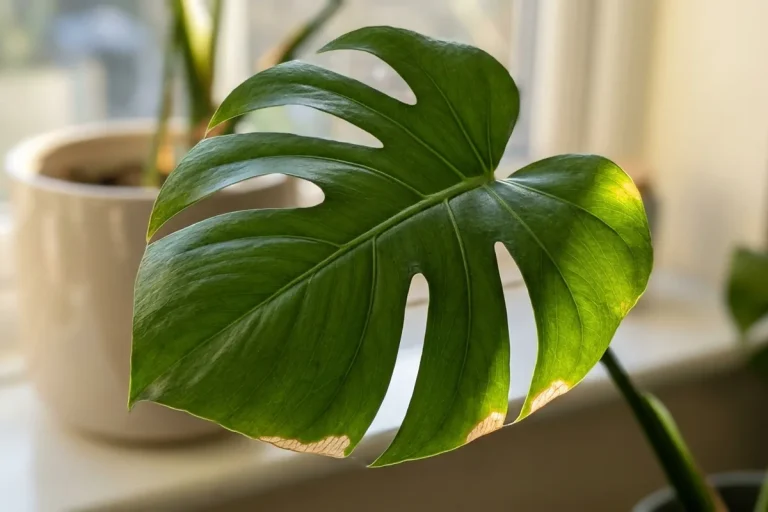
- Houseplants summering outside – peace lilies, orchids, spider plants, ferns, fiddle-leaf figs and any foliage plant in a decorative pot. They dislike cold, draughty nights and can sulk even at 5–7°C.
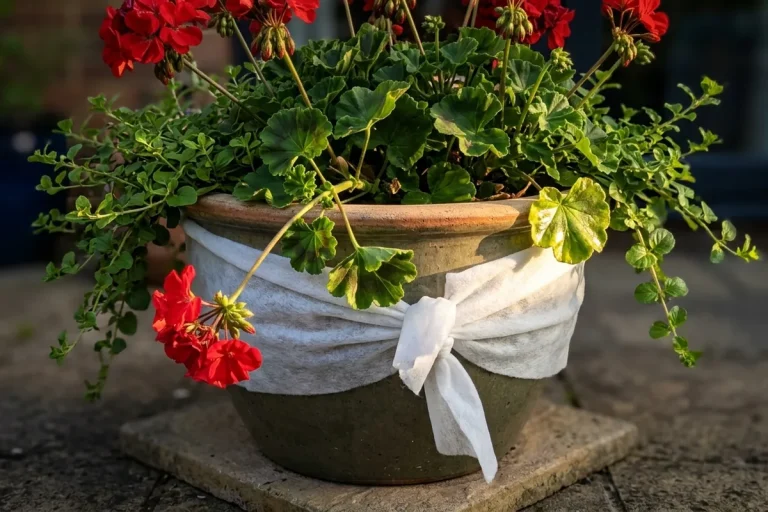
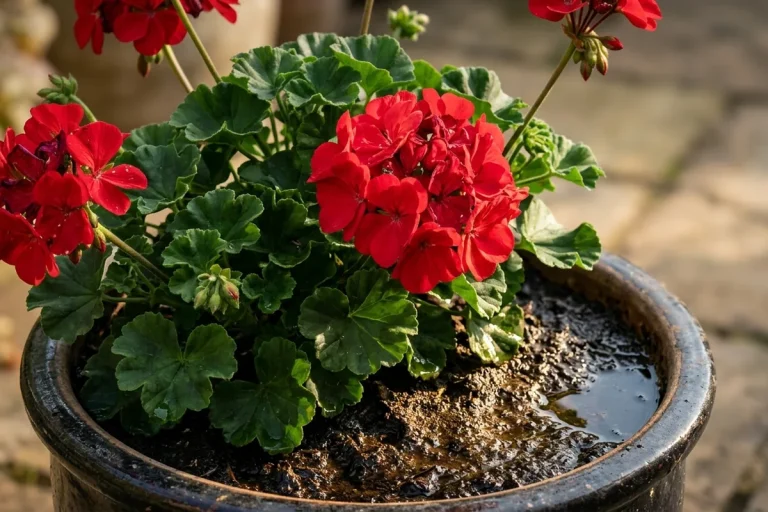
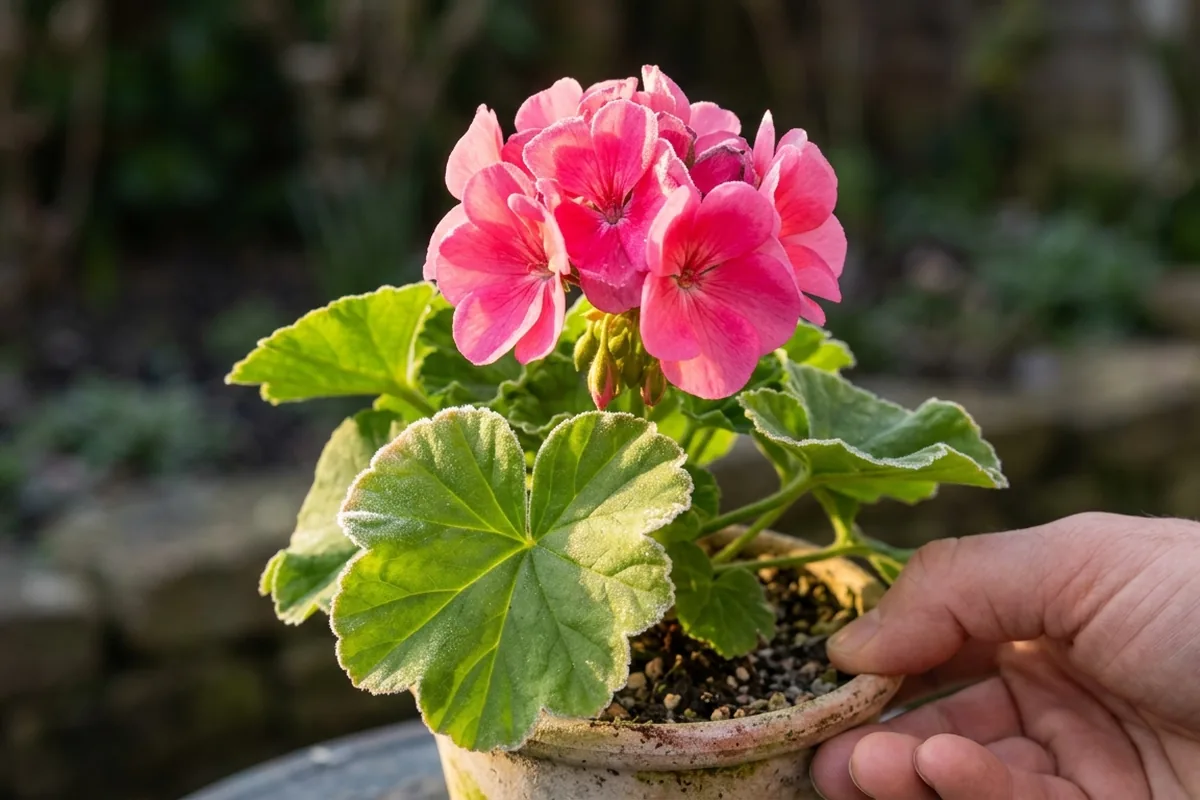
- Bedding from warmer climates – petunias, busy Lizzies, begonias, geraniums/pelargoniums. These can be badly checked by a sharp cold snap, especially in small pots or baskets.
- Tender edibles – tomatoes in pots, chillies, peppers, basil, courgettes and cucumbers in containers. Basil in particular blackens very easily.
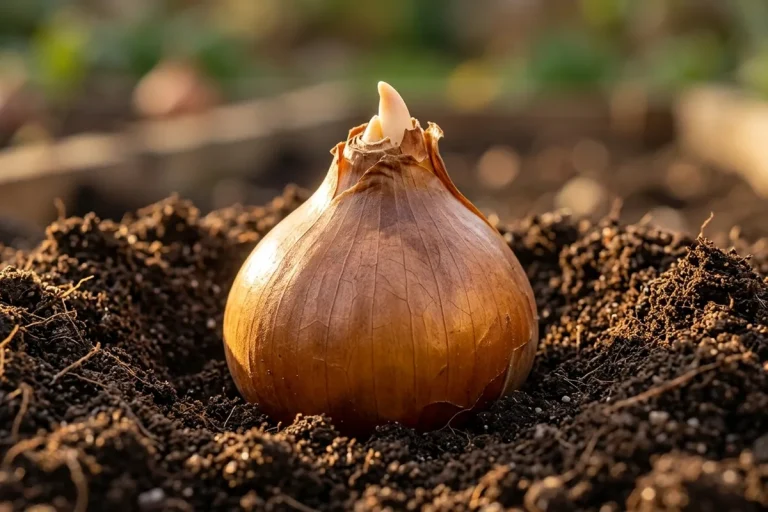
- Tender perennials and exotics – dahlias in pots, cannas, bananas, tree ferns in tubs, cordylines in containers, olives and citrus in pots.
- Newly planted or small pots – anything in a tiny pot or hanging basket cools down faster than a big border. If the compost feels cold and the pot is light, it will be first to feel damage.
If you only have time to grab a few, start with small pots and baskets, then anything obviously exotic or fleshy-leaved.
Quick checks before you start lugging pots
Before you rush outside with a torch, look at three things: temperature, position and plant type.
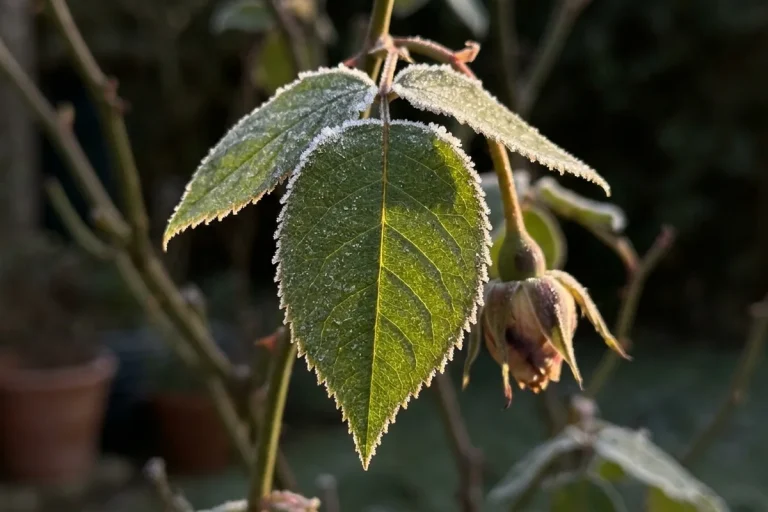
- Temperature: A ground frost usually threatens at around 0°C, but many tender plants are unhappy below about 5°C. If your weather app shows 3–4°C and clear skies, start moving the most precious ones.
- Position: A pot on an exposed balcony or open patio will feel the cold more than one tucked against a house wall. A bright but cold windowsill outdoors can be harsher than it looks.
- Plant type: Evergreen shrubs in the border usually cope; a basil plant in a thin plastic pot will not.
If you lift a pot and the compost is wet and the container feels icy, that plant is more at risk than one in a big, well-drained tub that holds its warmth.
Where to move them – and what can stay put
You do not need a heated greenhouse to help. Often, a small shift is enough:
- Move pots against the house wall, under a porch or into a sheltered corner.
- Bring the most tender ones indoors overnight – a cool room, unheated conservatory, hallway or utility is usually fine.
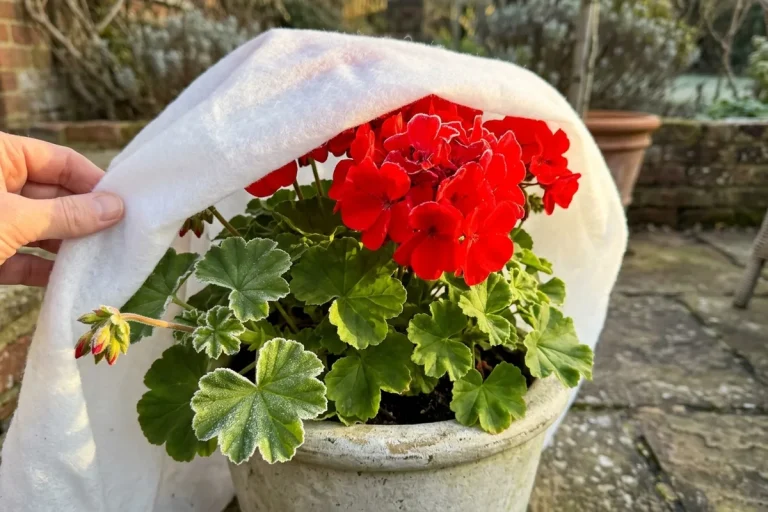
- A cold greenhouse or shed is still better than open sky; throw a layer of fleece over the most delicate plants inside.
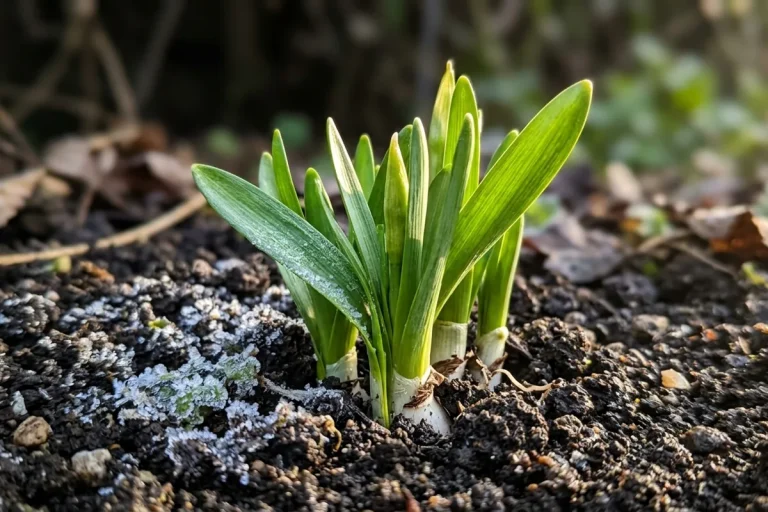
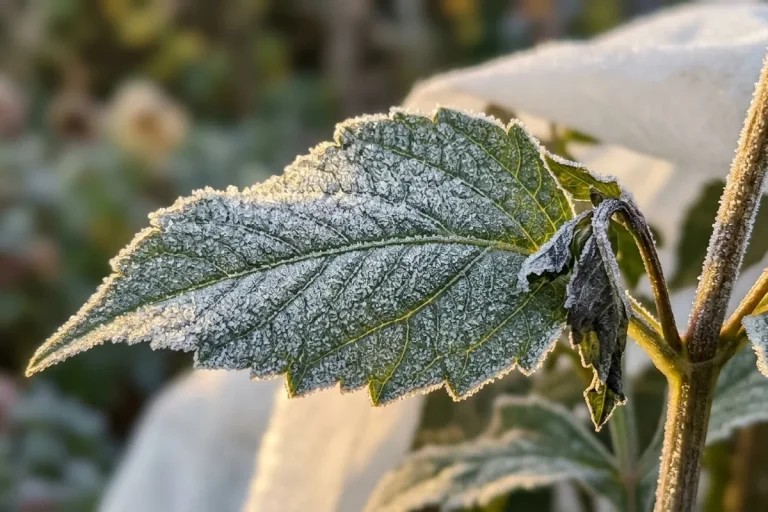
Border-planted dahlias, salvias and similar may get nipped on the top growth in an early cold snap. Often the roots survive if the soil is still reasonably warm, so focus your effort on plants in containers first.
If the leaves look worse after each cold night, stop leaving them “just one more evening” and move them earlier in the day so they can warm up gradually.
A simple rule for the next chilly spell: save the small, soft and potted first, then the exotics, and do not waste energy hauling hardy shrubs that will shrug off a cool night. One calm check of your patio before dark is usually enough to protect what really needs it.
Reader note
The Flower Expert is an independent gardening publication. Your support helps us keep creating practical plant care guides for everyday UK readers.
This article was created with the assistance of AI and reviewed by an editor. It is intended as general gardening information, not personalised professional advice.
If you still have a question, or if something looks unclear or inaccurate, you can contact us through our contact form.
If you found this article helpful, please consider sharing it on social media or leaving a comment below with your own experience. It helps other readers too.