
A small courtyard can feel like a dead end: high walls, a patch of paving, a drain cover and not much else. The space is tiny, but the aim is to make it feel full of life, not cluttered.
Start by thinking upwards, not outwards
In a courtyard, floor space is precious. The walls are your flowerbeds.
Use height to create layers:
- Wall planters and trellis: Fix a simple wooden trellis or wire grid to one wall and grow climbers such as clematis, star jasmine or a compact climbing rose. Underplant with wall-mounted troughs of trailing ivy, lobelia or tumbling violas.
- Tall, slim containers: Instead of wide tubs, choose tall pots that take up little floor space but give instant height. A narrow bay, bamboo in a pot (in a root barrier pot if possible) or a small ornamental grass can make the space feel greener without blocking movement.
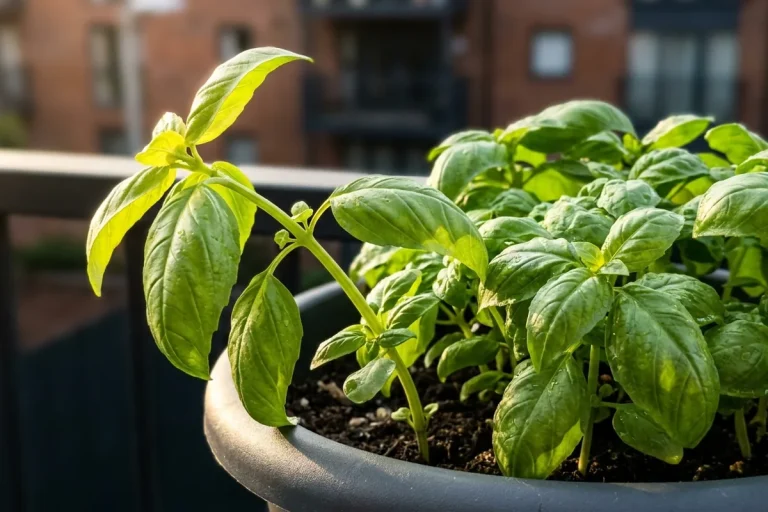
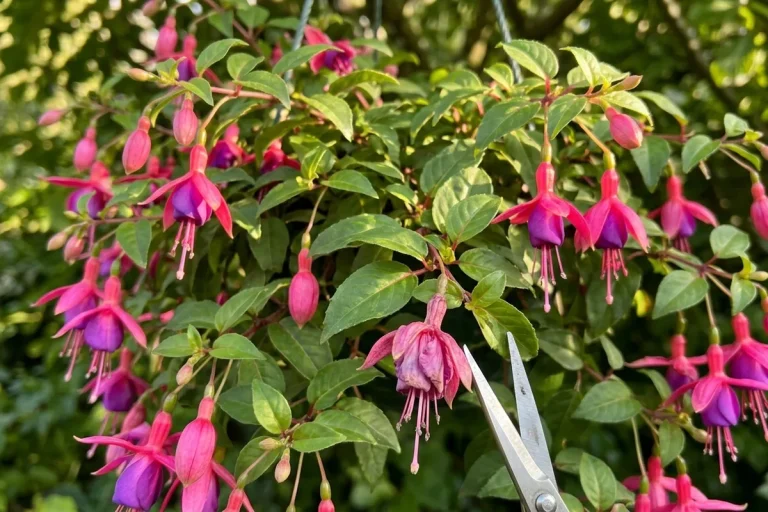
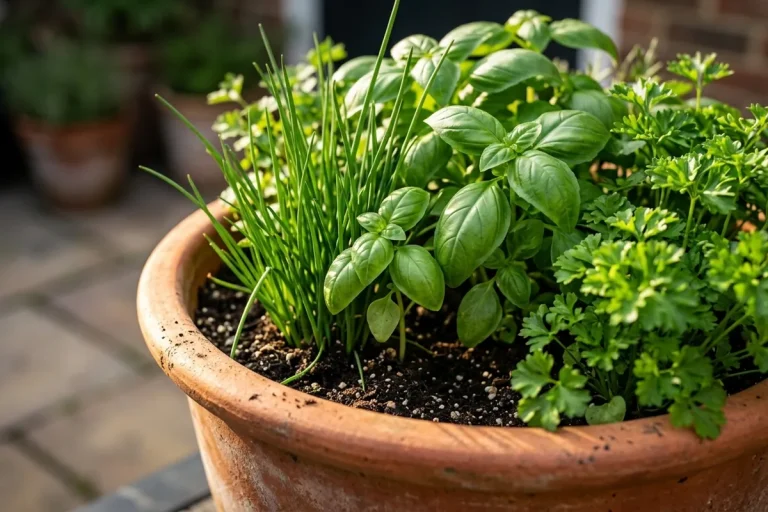
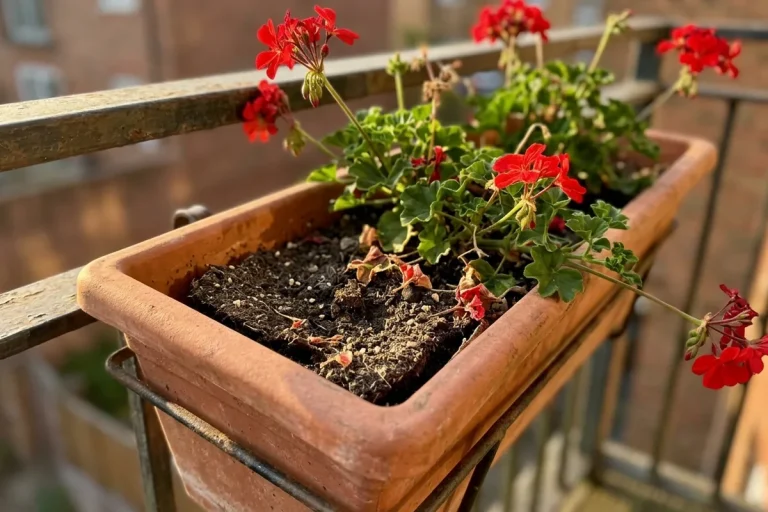
- Shelves and brackets: Sturdy outdoor shelves or brackets hold small pots of herbs, scented pelargoniums or trailing fuchsias. If you lift the pot and it still feels heavy, wait before watering – wall pots dry faster on the edges than in the middle.
This vertical planting draws the eye upwards so the courtyard feels more like a room, less like a well.
Use light, colour and surfaces to open the space
Courtyards often have shade, cold corners and odd light bouncing off neighbouring walls. Work with that.
Choose surfaces and colours that brighten and bounce light:
- Pale, matt backgrounds: Paint fences or brickwork in soft off-white, clay or pale grey-green. Dark colours can be beautiful, but in a tiny, enclosed space they often swallow light.
- A simple palette of plants: Too many colours can feel busy. Try one main leaf colour (fresh green or silvery) with one or two flower shades – for example, white and deep blue, or soft pink and burgundy.
- Mirrors with care: A weatherproof mirror on a side wall can make the space feel deeper, but avoid placing it where it reflects a bin or drainpipe. Always angle it slightly so birds do not fly straight towards it.
- Flooring that feels like a garden, not a car park: Add an outdoor rug, gravel strip or a row of low thyme or creeping campanula between paving slabs. Even a metre-wide strip of planting along one edge softens the whole space.
If the courtyard is very shaded, lean into it: ferns, hostas in pots, heucheras and hydrangeas will look lush where sun-lovers sulk.
Arrange pots and seating so the space feels generous
A tiny courtyard feels fuller when it has clear purpose: somewhere to sit, something scented, something to look at.
Think in groups, not scattered pots:
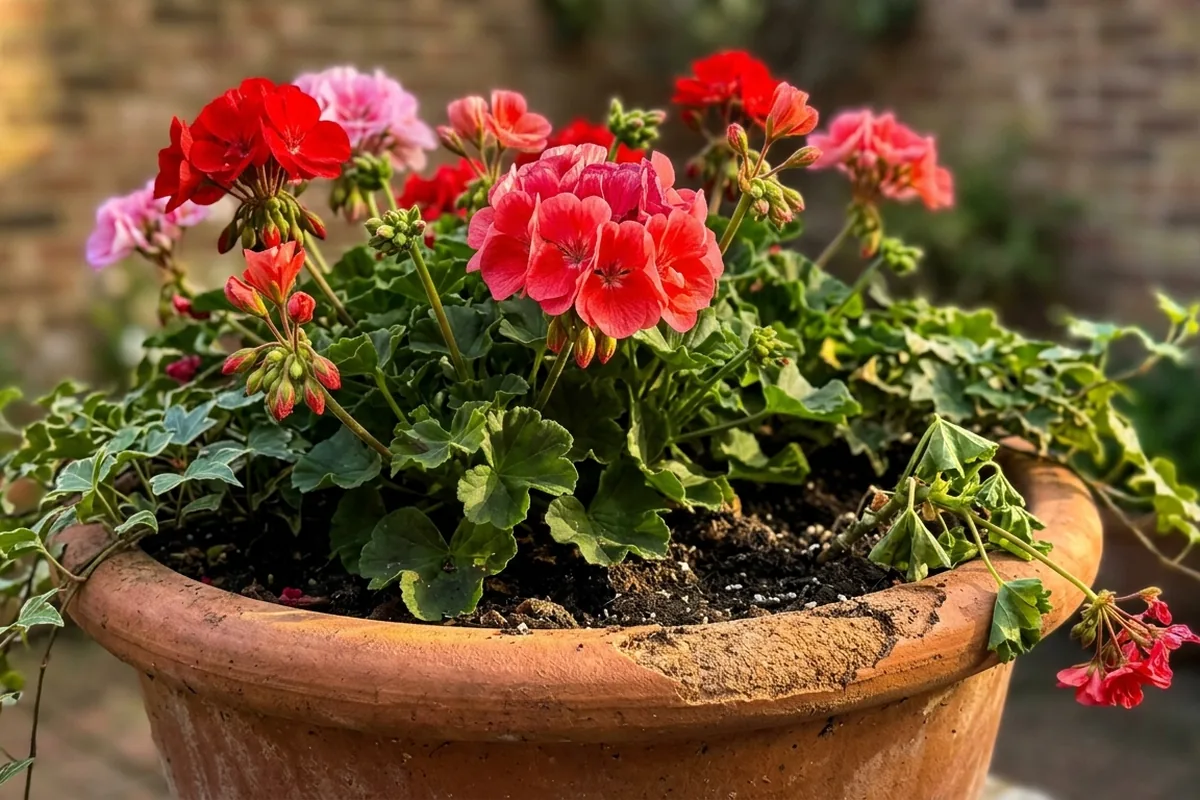
- Create one main planting corner. Cluster pots of different heights tight together rather than dotting them around. A large “anchor” pot, one medium shrub (like a dwarf acer), then smaller flowering pots around the base works well.
- Leave one clear area. This is the point where many people add “just one more pot” and suddenly there’s nowhere to stand. Keep a small square of paving open for a chair or bistro set.
- Choose furniture that folds or stacks. A small metal bistro set, a folding bench or a built-in ledge under a window lets you sit among the plants, then tuck things away when not needed.
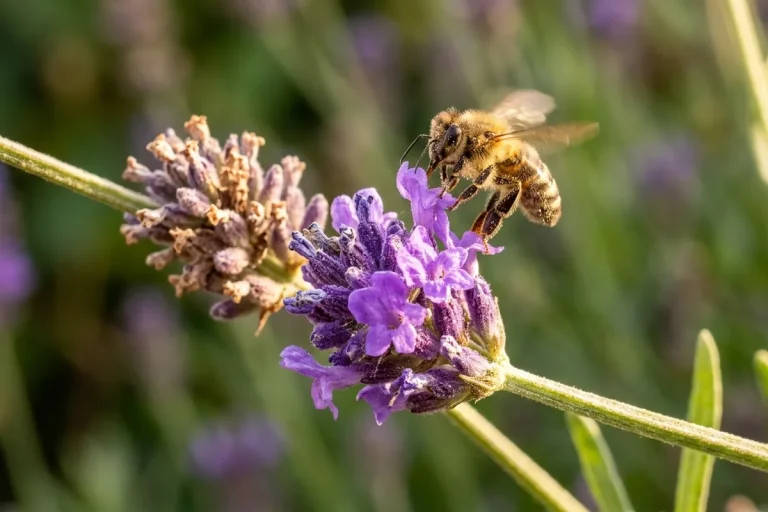
- Add scent at nose height. Put herbs, sweet peas in a tall pot, or scented roses where you naturally pause – by the back door, beside the chair, near the kitchen window.
Before you buy anything else, stand in the courtyard and check: do you have a green corner, a place to sit, and a clear route through? Once those three are in place, every extra pot has to earn its space.
A small courtyard will always be compact, but thoughtful layers, a calm colour palette and a few well-placed pots can make it feel richly planted rather than cramped. Start with one wall and one planting corner; once those feel right, you can gently add more.
Reader note
The Flower Expert is an independent gardening publication. Your support helps us keep creating practical plant care guides for everyday UK readers.
This article was created with the assistance of AI and reviewed by an editor. It is intended as general gardening information, not personalised professional advice.
If you still have a question, or if something looks unclear or inaccurate, you can contact us through our contact form.
If you found this article helpful, please consider sharing it on social media or leaving a comment below with your own experience. It helps other readers too.