
When rain arrives in sheets, patios flood, lawns puddle and gutters overflow into beds that simply cannot take any more water. If you have a patch that always turns boggy after a downpour, that’s exactly the spot that can become a simple rain garden.
Simple rain garden ideas that work in UK homes
A rain garden is not a pond. It is a shallow, free‑draining dip that temporarily holds water, then lets it soak away within a day or so. Done well, it takes pressure off drains and keeps water away from walls and paths.
Start by watching where the water goes in a heavy shower: off the shed roof, down a downpipe, across a sloping patio, or straight off a balcony. The wettest line is where a rain garden or mini feature will help most.
Good, easy ideas include:
- A shallow planted basin in a border
Dig a saucer‑shaped dip 10–20 cm deep, away from the house, and fill with free‑draining loam mixed with sharp sand and garden compost. Edge it slightly higher than the lawn so water flows in but does not bring mud back out.
- Redirecting a downpipe
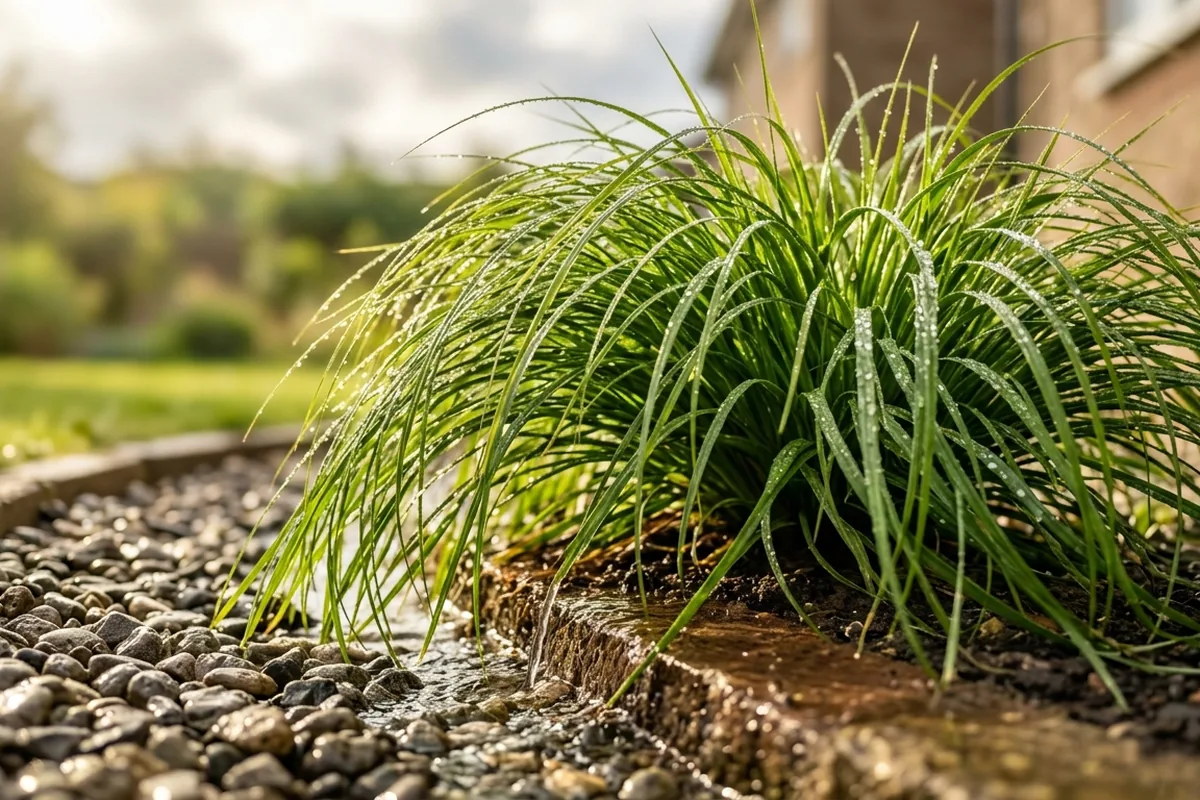
Fit a diverter to your downpipe and run a short gravel channel or decorative rill to your rain garden area. If the water gushes in one spot, spread it with a small bed of cobbles before it reaches the plants.
- Gravel pockets in a paved area
If a patio puddles, lift a few slabs in the lowest area and create a gravel‑filled soakaway with a narrow planting strip. You will often find that one lifted slab makes more difference than expected.
- Balcony or small yard solution
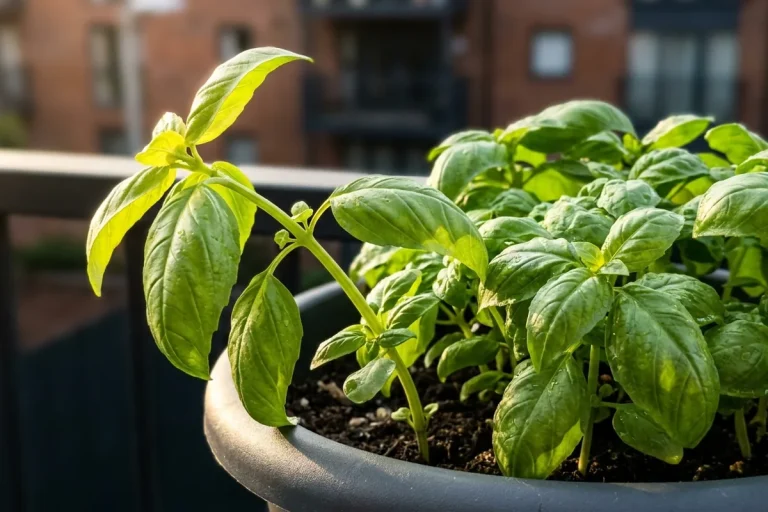
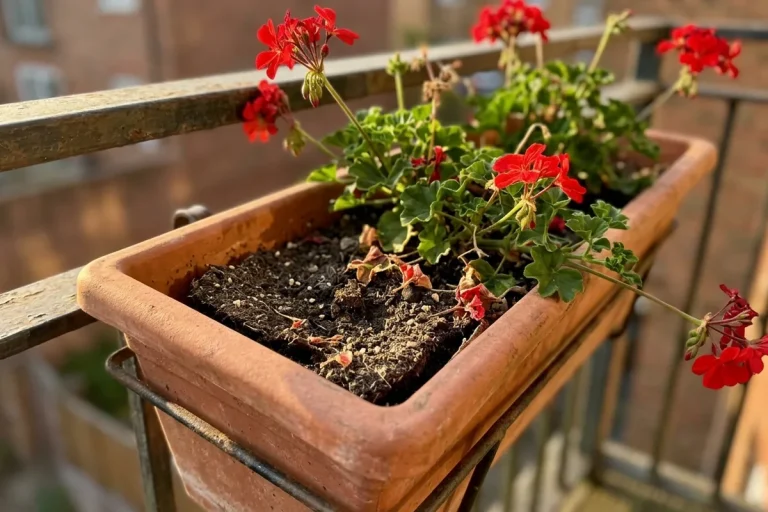
Use deep containers with a layer of coarse gravel at the base, then compost. Let rain from the balcony rail or a small water butt overflow into them, and choose plants that enjoy regular soaking but not permanent waterlogging.
If the area still holds water longer than 24–48 hours, improve the sub‑soil with more grit and organic matter before planting heavily.
Plants that enjoy a good soaking
Rain‑garden plants need to cope with wet roots after rain, then ordinary moisture the rest of the time.
For a sunny UK spot, think of:
- Iris sibirica, Astilbe, Lythrum salicaria (purple loosestrife)
- Carex and other sedges
- Rudbeckia and Helenium around the drier edges
For part shade:
- Hosta (watch for slugs)
- Ligularia
- Iris ensata
- Ferns such as Dryopteris
Place the most water‑tolerant plants in the centre of the dip, with tougher, slightly drier plants at the shoulders. The useful clue is not one leaf, but how the whole group responds after a week of wet weather.
Practical checks to keep it working
A rain garden is low‑maintenance, but not no‑maintenance.
- Check after a proper downpour. If the dip still looks like a pond the next afternoon, you need more depth or drainage material.
- Watch for silt build‑up. If mud washes in and forms a crust, lightly fork the surface and top up with compost and grit.
- Keep inlets clear. Leaves in a gravel channel or at the end of a downpipe quickly slow everything down. A two‑minute clear‑out after autumn storms makes a big difference.
- Protect buildings. Keep the rain garden at least 3 metres from the house if possible, and if in doubt, check with your local council or a builder before digging near foundations.
Before you rush to re‑landscape the whole garden, try one small rain‑garden feature in the wettest spot and watch what happens in the next heavy shower. A shallow dip, the right plants and somewhere for the water to pause can turn a problem puddle into a calm, useful part of the garden.
Reader note
The Flower Expert is an independent gardening publication. Your support helps us keep creating practical plant care guides for everyday UK readers.
This article was created with the assistance of AI and reviewed by an editor. It is intended as general gardening information, not personalised professional advice.
If you still have a question, or if something looks unclear or inaccurate, you can contact us through our contact form.
If you found this article helpful, please consider sharing it on social media or leaving a comment below with your own experience. It helps other readers too.