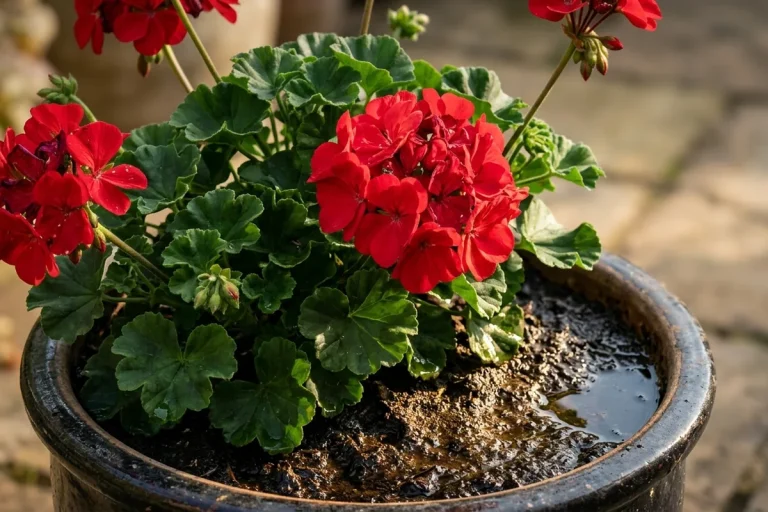

After a long, soggy winter, borders often look flat, compacted and lifeless, with puddles that linger and soil that clings to your boots. If this is what you see when you step onto the lawn edge, the soil needs gentle help before you start planting or sowing.
The first steps as soil starts to dry
Do not rush onto wet beds. If soil sticks in big clods to your boots or tools, it is too wet to work and you will compact it further. Wait until it breaks apart easily in your hand.
Start with three simple checks:
- Drainage: are there areas where water still sits the next day?
- Compaction: does the surface look smooth and capped, with few worms visible?
- Structure: when you dig a small spadeful, is it heavy and smeary, or crumbly and open?
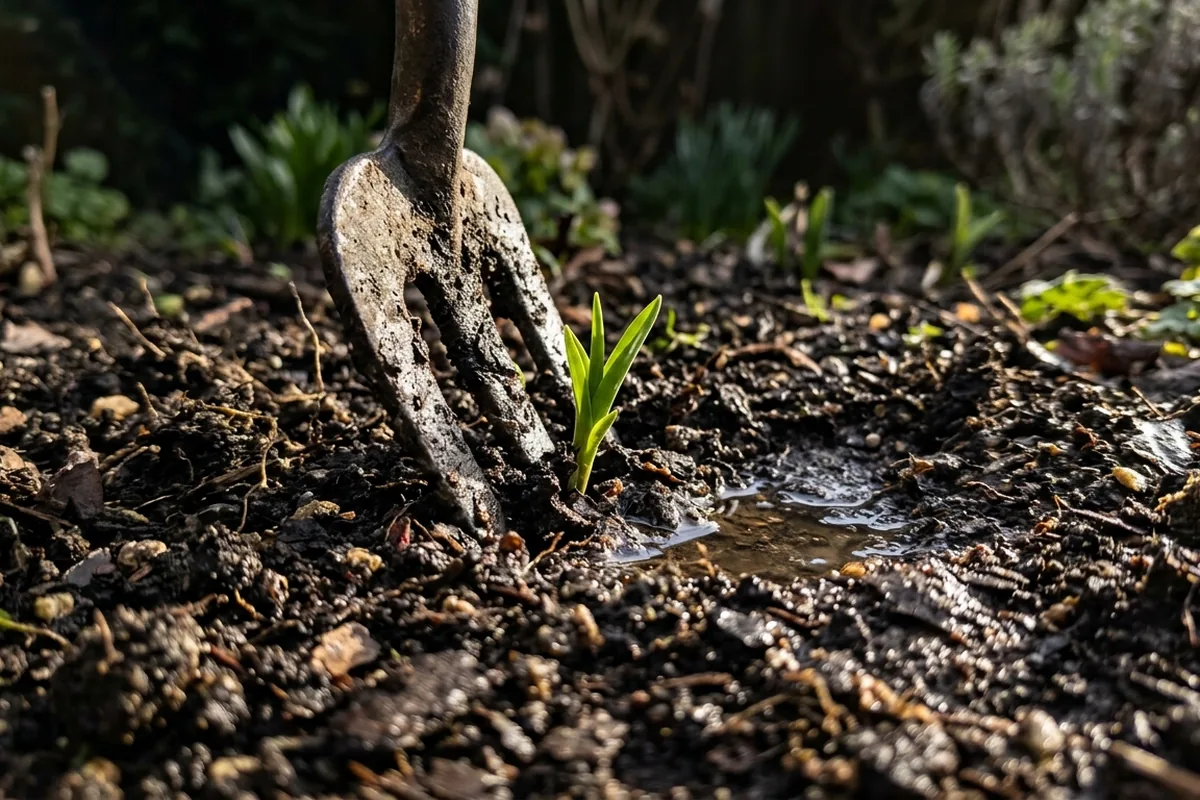
If the soil is very wet, use a garden fork, not a spade. Gently push it in and rock it back to open up the ground without turning big slabs over. Work in rows across the bed. You are trying to let air in, not double-dig the whole garden.
On clay, a wet winter often leaves a hard pan just under the surface. If your fork hits a resistant layer at the same depth all along the border, ease through it in places to allow water to drain, but avoid smashing the soil to a fine powder.
Adding organic matter without upsetting the soil
Once the surface has started to dry and you can crumble a handful, you can begin to improve structure.
Spread a 5–8 cm layer of well-rotted garden compost, leaf mould or bagged soil improver over the top. If you only have a little, concentrate on the areas where you plan to plant this spring.
Then choose how to incorporate it:
- On heavier soils, lightly fork the top 10–15 cm to blend compost with the existing soil.
- On lighter or already friable soils, simply mulch and leave; worms will pull it down.
If you lift a forkful and it looks streaky, with pure compost in one place and pure clay in another, mix just enough to soften that edge. Over-mixing can create a sticky, uniform mass, which is exactly what you are trying to avoid.
Avoid adding sharp sand to clay in large amounts unless advised by a local expert; the wrong proportions can make something closer to brick than good loam.
Getting beds ready for planting and sowing
For early sowings and delicate bedding, you need a fine, level surface over a more open, well-aerated base.
Rake the top few centimetres to break any surface crust and pick out stones and old roots. If the soil beneath is still lumpy, sow in shallow drills filled with sieved compost rather than straight into the raw ground. This gives seeds an easier start while the rest of the bed continues to settle.
In low spots where water collected all winter, consider raising the soil level slightly with extra compost or creating a low mound for fussier plants. If the same area puddles every year, it may be better used for moisture-loving plants and keep roses or lavender on higher, freer-draining ground.
For veg beds and cut-flower rows, mark your lines, then walk beside them, not on them. A narrow board to stand on spreads your weight; it is surprising how quickly one boot-sized path can turn into a compacted strip where roots struggle.
If this all feels a bit much, choose one border or veg bed to improve properly this year rather than skimming over everything. A well-prepared strip will show you the difference when summer growth starts.
A calm, steady tidy-up now means your soil will drain better, warm faster and support stronger roots through any dry summer spells. The next dry afternoon, take a fork, do a small test patch, and let the soil itself tell you how ready it is.
Reader note
The Flower Expert is an independent gardening publication. Your support helps us keep creating practical plant care guides for everyday UK readers.
This article was created with the assistance of AI and reviewed by an editor. It is intended as general gardening information, not personalised professional advice.
If you still have a question, or if something looks unclear or inaccurate, you can contact us through our contact form.
If you found this article helpful, please consider sharing it on social media or leaving a comment below with your own experience. It helps other readers too.