
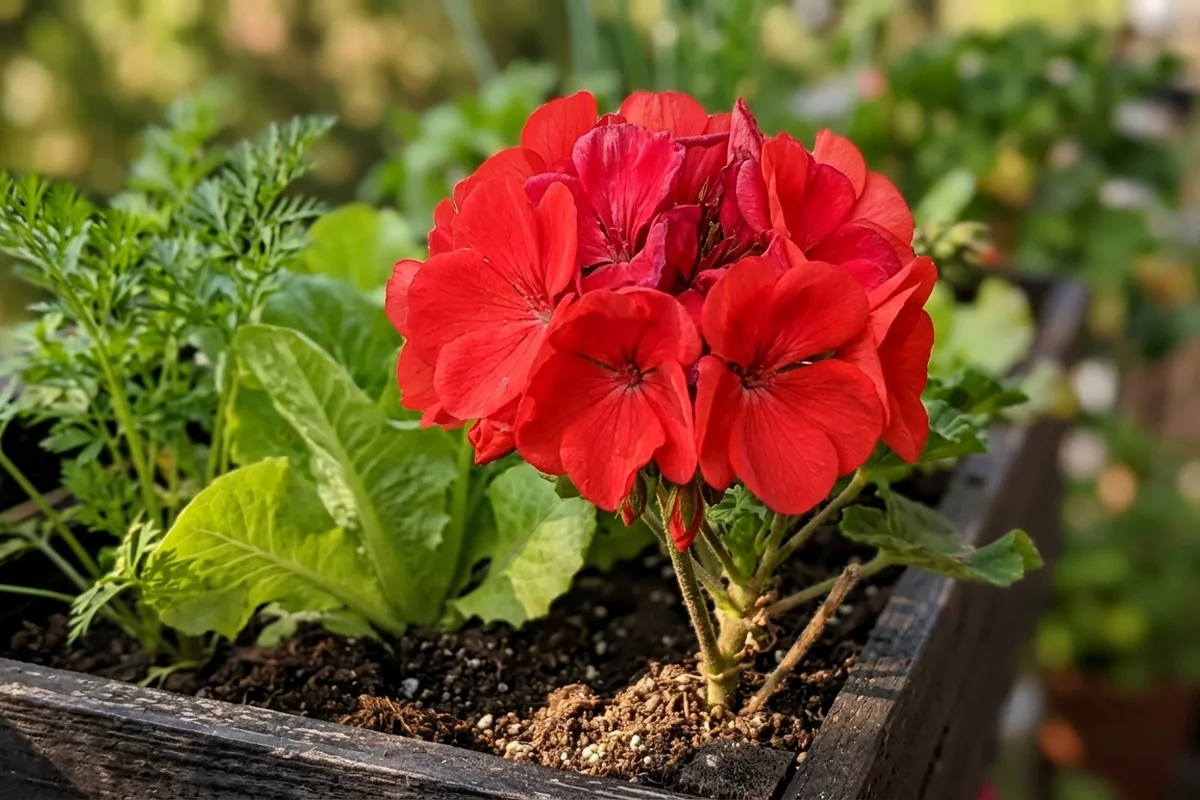
The easiest way to fit more into a small garden is to stop separating “veg” and “flowers” and let them share the same space. If your patio pots are crammed, the border is only a metre deep and the veg patch is more of a rectangle by the shed, this is exactly where mixed planting works best.
Simple ways to mix veg and flowers in tight spaces
Think in layers rather than separate beds. One container or border can hold several crops if they occupy different heights and root depths.
Good small-garden combinations include:
- Tall at the back: runner beans with sweet peas on the same wigwam; kale or purple sprouting broccoli with cosmos.
- Middle layer: dwarf French beans with marigolds; peppers with bushy basil; dwarf dahlias with lettuces.
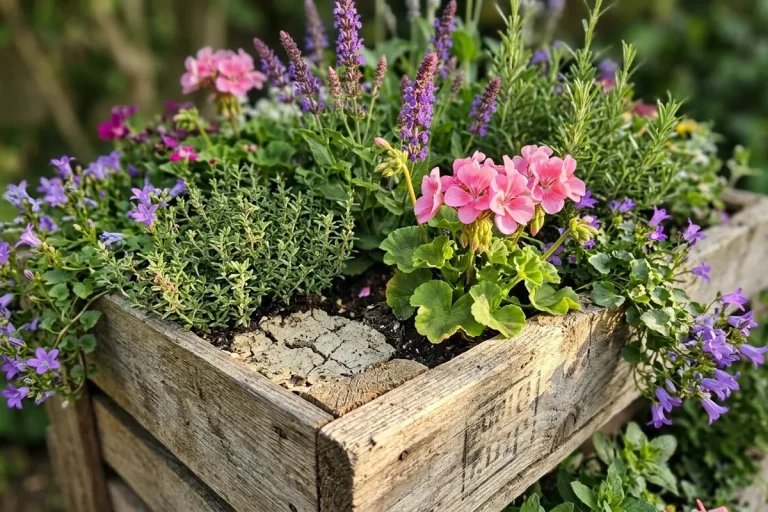
- Front / edge: cut-and-come-again salad leaves with violas; chives with strawberries; thyme and low-growing herbs along the front.
Keep it simple: 2–3 plants per pot or metre of border is usually enough. If you lift a container and it already feels heavy and crowded, do not add another plant.
How flowers help your vegetables (and the other way round)
Mixed planting is not just about looks. Done neatly, it can make a small garden more productive and easier to manage.
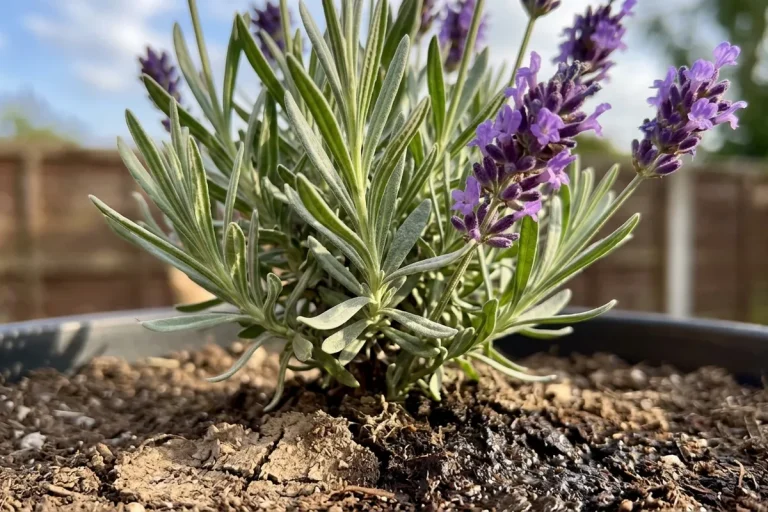
- Pollinators: Flowers such as calendula, cosmos, nasturtiums and lavender pull in bees and hoverflies, which helps tomatoes, beans, courgettes and strawberries set fruit.
- Pest distraction: Nasturtiums often attract blackfly away from beans. Sacrificing a few nasturtium leaves is easier than losing a whole crop.
- Living mulch: Low flowers or herbs around taller veg shade the compost, so pots do not dry out quite as fast in a hot spell.
- Clear structure: A wigwam of beans with sweet peas, or a row of sunflowers with courgettes in front, makes a small space feel intentional rather than cluttered.
If this is happening on your plot – flowers buzzing with insects while nearby veg finally start to bulk up – you are seeing the benefit of mixing them.
Planting, spacing and care in a shared bed or pot
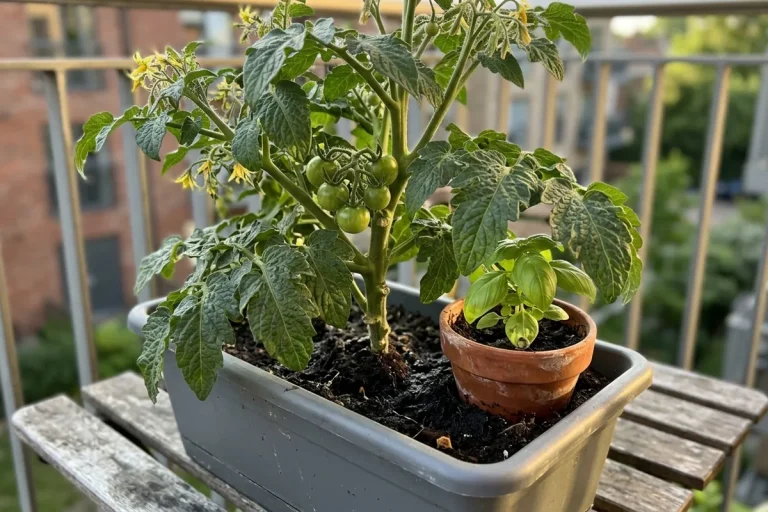
Start with the biggest root systems. In a container, plant your main crop (tomatoes, beans, courgettes, dwarf fruit trees) first, then tuck flowers and salads around them.
A few checks keep things healthy:
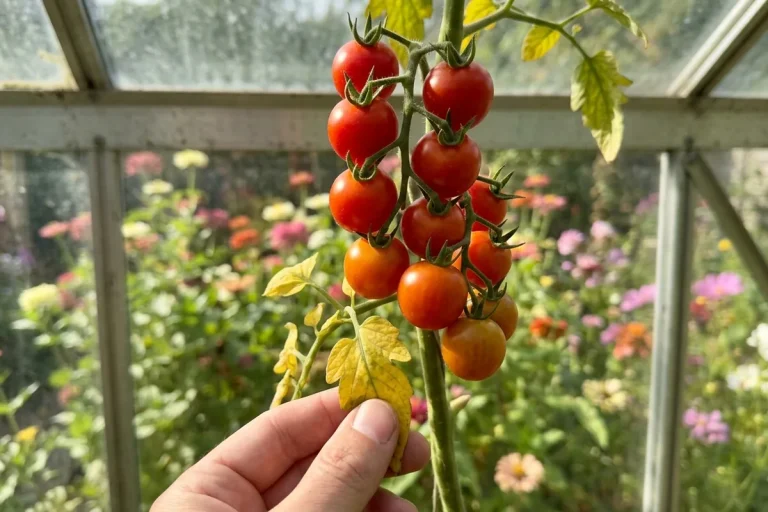
- Do not overcrowd. As a guide, one tomato per 30–40 cm pot, plus perhaps a ring of basil or marigolds. If leaves are already touching all round, you are at capacity.
- Watch the compost, not the calendar. Flowers and veg together can drink quickly. Push a finger 3–4 cm down; if it still feels damp and cool, wait. This is the point where many people water again too soon.
- Feed lightly but regularly. A tomato feed in liquid form, used at the rate on the label, usually suits both fruiting veg and many annual flowers in the same pot.
- Mind the light. Tall sunflowers or beans can throw a lot of shade. Check that lower plants still get several hours of bright light, especially salads and fruiting veg.
In borders, repeat the same pattern: taller crops at the back, flowers and herbs weaving through, salad leaves and low herbs at the front where you can reach them.
If the whole thing ever looks muddled, the useful clue is not one plant, but the overall pattern: are you still able to see soil between plants, and can air move through? If not, thin out the least productive or most mildewed plant first.
A small next step is to choose just one pot or one metre of border and replant it as a mixed patch this season. Once you see how much you can harvest and how good it can look, it becomes much easier to repeat across the rest of the garden.
Reader note
The Flower Expert is an independent gardening publication. Your support helps us keep creating practical plant care guides for everyday UK readers.
This article was created with the assistance of AI and reviewed by an editor. It is intended as general gardening information, not personalised professional advice.
If you still have a question, or if something looks unclear or inaccurate, you can contact us through our contact form.
If you found this article helpful, please consider sharing it on social media or leaving a comment below with your own experience. It helps other readers too.