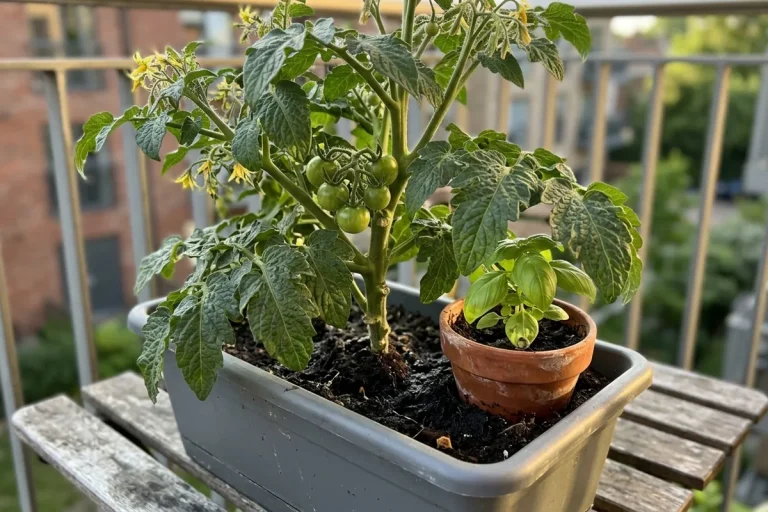

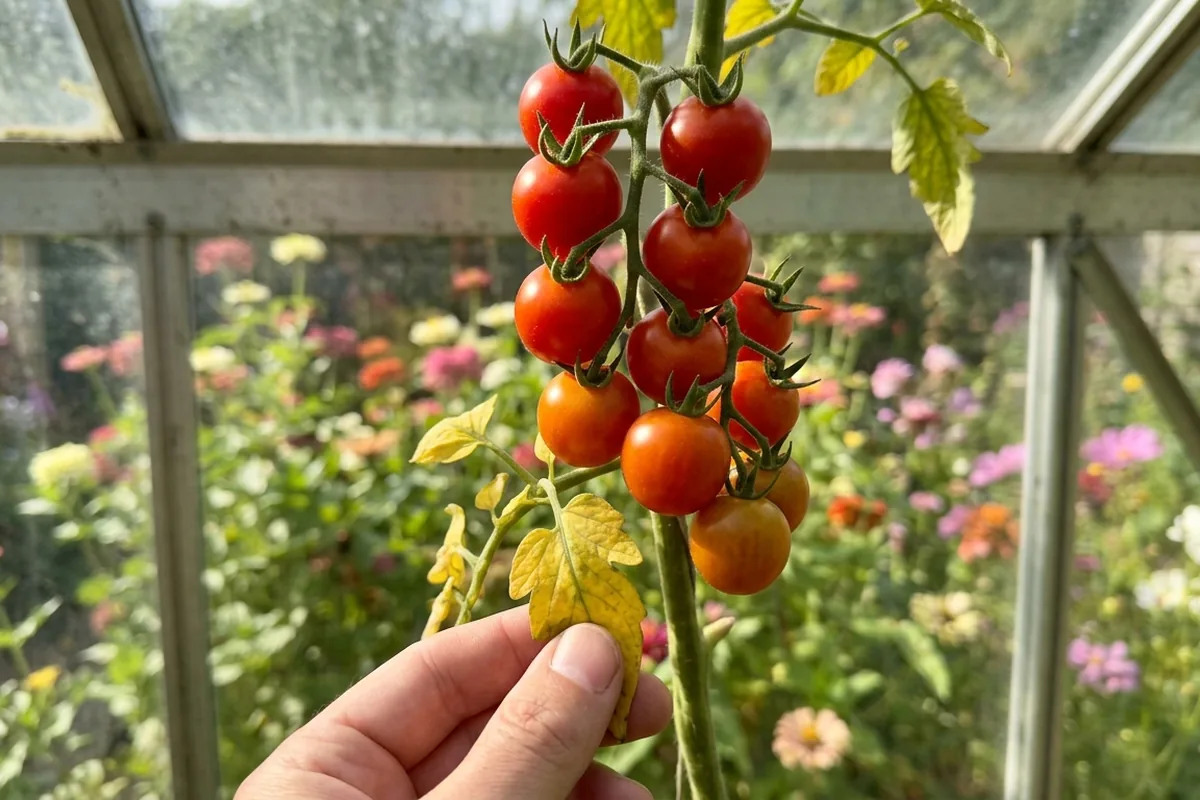
Tomatoes are greedy, sun-loving plants and in a small greenhouse they can easily take over. If you’re staring at a narrow path, a row of tall tomato stems and hardly any room for colour, you can still tuck flowers in – you just need to use the space differently.
The simple layout that actually works
Aim for tomatoes as the backbone, flowers in the gaps and at different heights. In a small UK greenhouse, this usually means:
- Tomatoes in the ground or large growbags along the sunniest side or at the back.
- Compact flowers in pots in front of them, or hung up, so they don’t steal root space.
- A clear path you can still walk down with a watering can without brushing wet leaves.
Good flower choices are those that cope with heat, help pollinators and stay compact:
- Marigolds (French or signet): classic with tomatoes, help attract beneficial insects.
- Basil and other small herbs: technically not flowers, but they do flower and the scent can confuse pests.
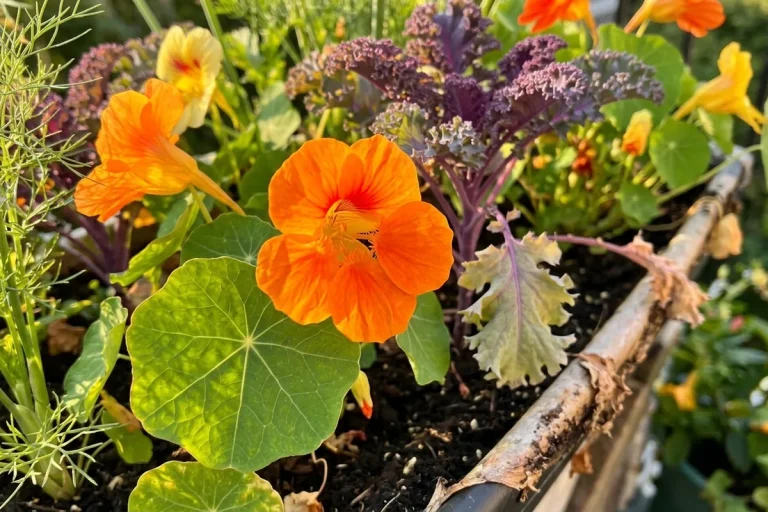
- Nasturtiums: trail from a pot or growbag corner; easy, colourful, loved by hoverflies.
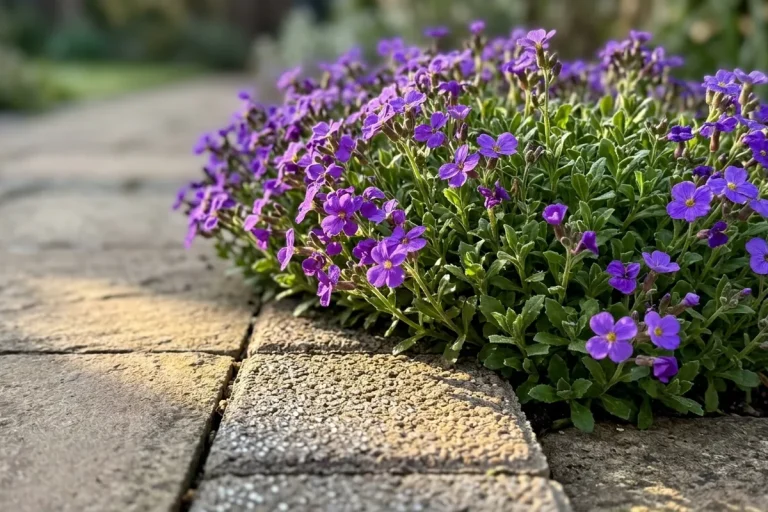
- Alyssum or dwarf cosmos: soft edging plants that do well in pots.
If your greenhouse is very tight, think upwards: hanging baskets or wall-mounted pots with trailing lobelia, petunias or nasturtiums keep the floor clear. If you lift a pot and it still feels heavy, wait before watering – hanging containers dry fast on the surface, but can stay wet in the middle.
Light, water and feeding when everything shares space
Tomatoes need full light, so do not let flowers shade their stems or fruit trusses. Keep taller flowers to the ends of the row, and shorter, airy ones in front.
Watering is where things often go wrong. Tomatoes like a steady, deep soak, while many flowers cope with a bit of unevenness. To keep both happy:
- Water tomatoes at the base, ideally in the morning, so foliage dries quickly.
- Group thirstier flower pots together so you can check them more often.
- Use saucers under flower pots, but do not leave them full the next morning – roots sitting in water encourage rot and fungus gnats.
Feed tomatoes with a high-potash tomato feed once trusses are forming, following the label. Flowers in separate pots can share this feed, but avoid overdoing it; very lush, soft growth in a hot greenhouse is more prone to whitefly and aphids.
A quick finger check in each pot tells you more than the surface of the compost, which often looks dry while it’s still damp just below.
Keeping pests down and flowers productive
One of the quiet advantages of mixing flowers with tomatoes is better insect life under glass. Marigolds, alyssum and open-centred flowers bring in hoverflies and other natural predators that help with whitefly and aphids.
To keep the whole mix healthy:
- Deadhead flowers regularly so they keep blooming instead of going to seed.
- Remove yellowing tomato leaves from the bottom of plants to improve airflow.
- On very hot days, damp down the floor or stand a tray of water and pebbles in the greenhouse to lift humidity slightly, but avoid spraying tomato foliage late in the day – that’s when blight and mould can get a foothold.
If the leaves on both tomatoes and flowers look worse after every “fix”, stop changing several things at once. Check light, water and ventilation one by one rather than chasing every yellow leaf.
Once your layout is set, the main work is simply keeping the path clear, watering thoughtfully and snipping off spent blooms. Start with one or two flower types this year; you can always add more once you see how much space your tomatoes really take.
Reader note
The Flower Expert is an independent gardening publication. Your support helps us keep creating practical plant care guides for everyday UK readers.
This article was created with the assistance of AI and reviewed by an editor. It is intended as general gardening information, not personalised professional advice.
If you still have a question, or if something looks unclear or inaccurate, you can contact us through our contact form.
If you found this article helpful, please consider sharing it on social media or leaving a comment below with your own experience. It helps other readers too.