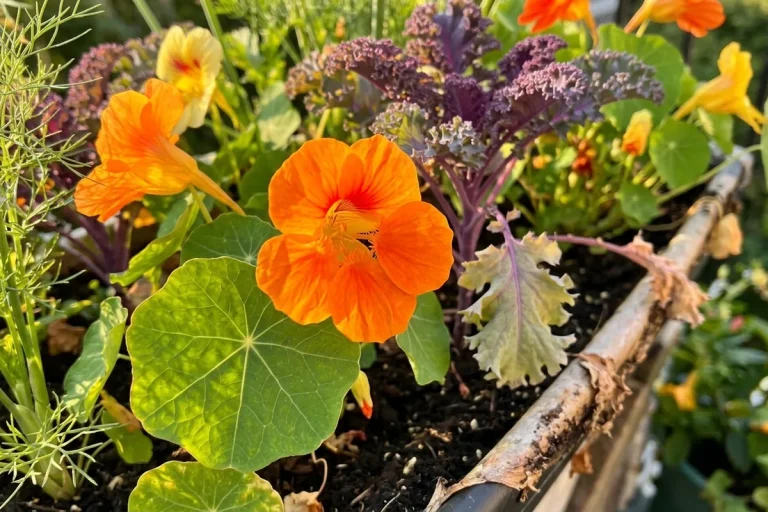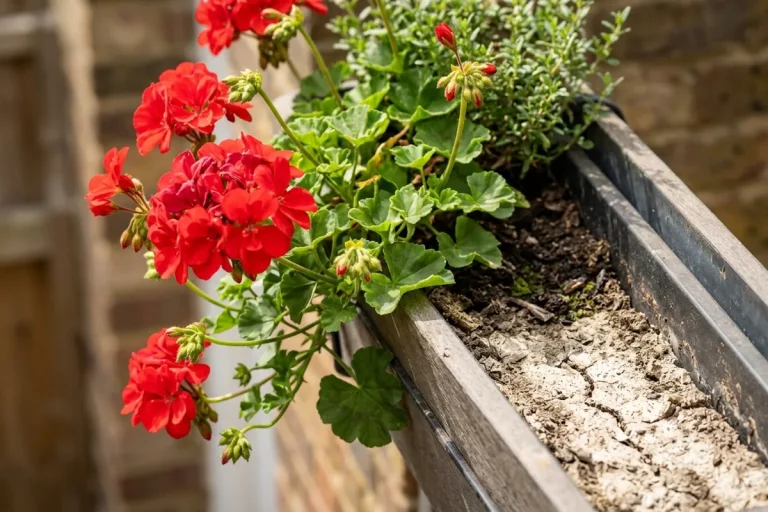

The easiest way to start a garden in a small space is with a few well-chosen containers. If you’re looking at a bare patio or balcony and wondering what will actually grow there, you’re in the right place.
First steps: space, pots and compost
Begin with the space you have.
Stand where your pots will go and notice:
- How many hours of direct sun hit the area in summer?
- Is it windy or fairly sheltered?
- Is there a wall or rail that gives shade for part of the day?
As a rough guide: 6+ hours of sun suits herbs, roses and most bedding. Morning sun or bright shade suits ferns, hostas and many foliage plants.
Choose fewer, larger pots rather than lots of tiny ones. Bigger containers:
- dry out more slowly
- give roots room to grow
- are more forgiving if you miss a watering
Look for drainage holes and use saucers only if you need to protect the surface. If the saucer is still holding water the next morning, tip it away.
Use a good peat-free multipurpose compost. For permanent shrubs or roses, a peat-free container or soil-based mix holds nutrients better. Avoid digging up soil from the ground – it compacts and drains poorly in pots.
What to plant: simple, reliable choices
For a first season, mix longer-lasting structure with easy colour.
Good, no-fuss starters for UK patios and balconies:
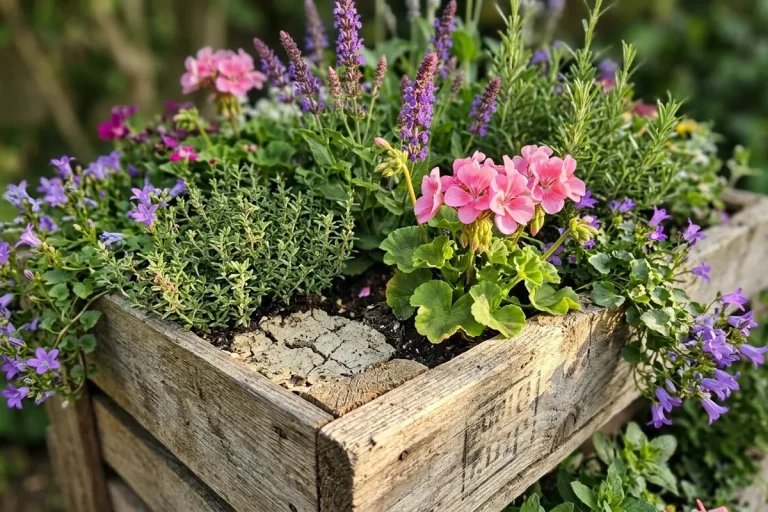
- Compact shrubs: dwarf lavender, small roses, hebe, skimmia, box alternatives.
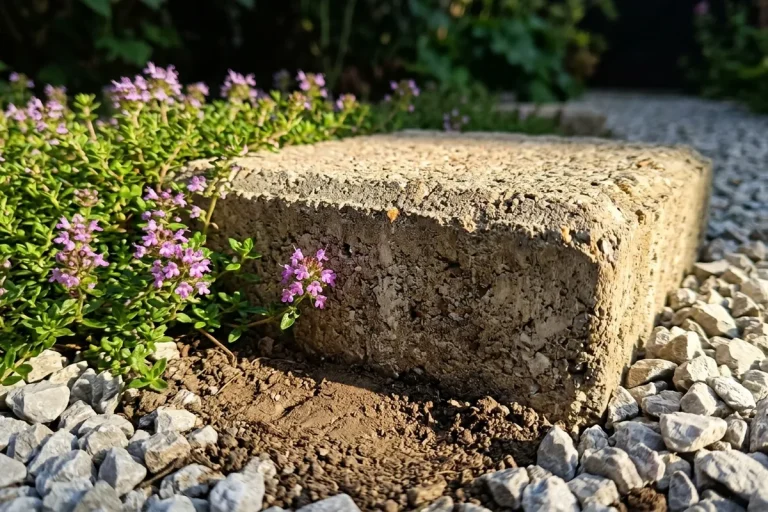
- Herbs: rosemary, thyme, chives, mint (in its own pot), parsley in part shade.
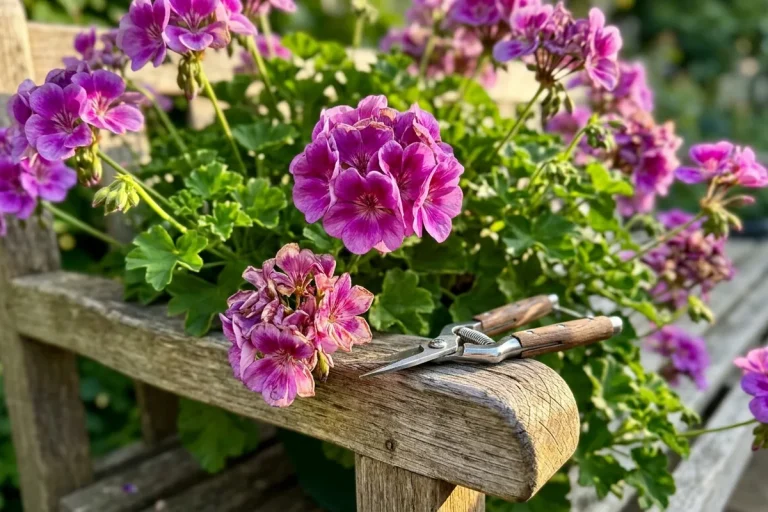
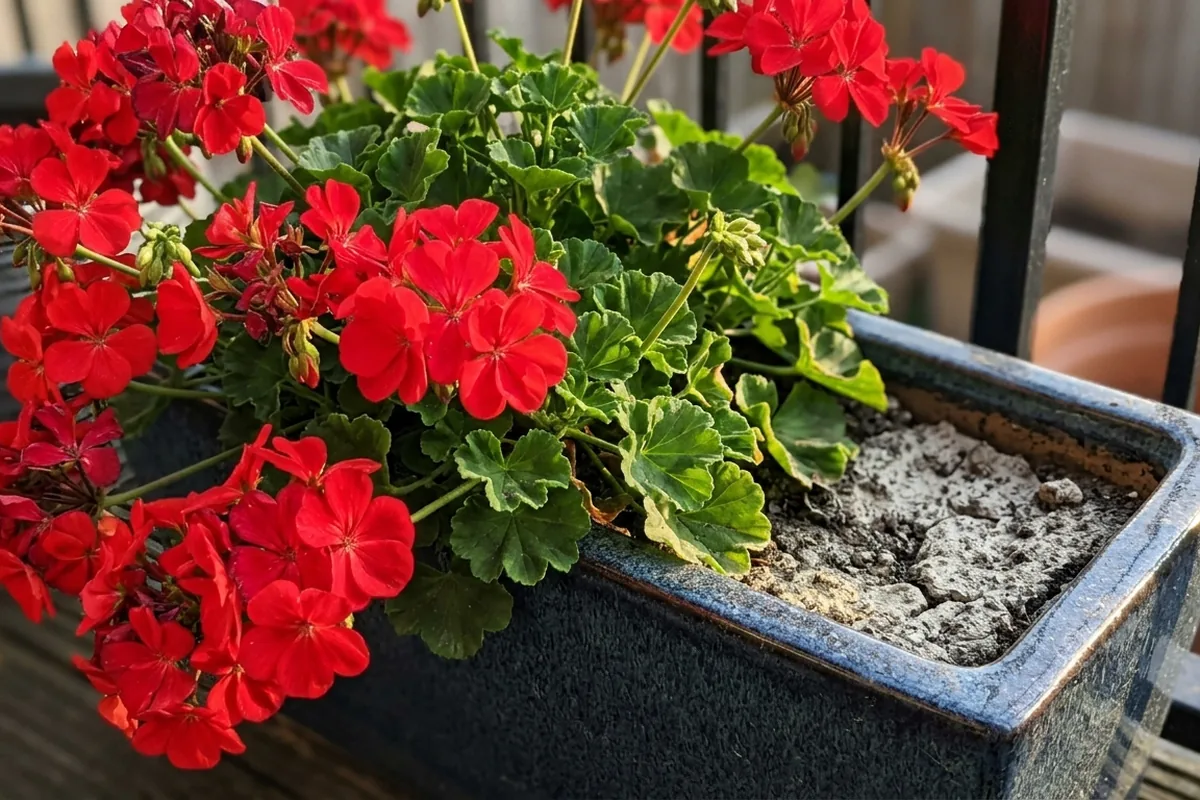
- Seasonal colour: pelargoniums, petunias, violas, begonias, nemesia.
- Foliage and shade: ferns, heuchera, hosta (watch for slugs on ground-floor patios).
If your balcony is windy, look for sturdy, low plants and group pots together so they shelter each other. A pot that keeps blowing over is a sign to pick something shorter or heavier.
When planting, check the top of the rootball sits a couple of centimetres below the rim so you have space to water. If roots are circling tightly, gently tease a few free so they grow into the new compost.
Watering, feeding and simple care
Most container problems start with watering. Compost may look dry on top but still be damp underneath. Before you water again, push a finger 3–4 cm down into the compost:
- If it feels cool and damp, wait.
- If it’s dry and the pot feels surprisingly light, water thoroughly.
Water until you see it run from the drainage holes, then let the pot drain. This is the point where many people water again too soon; let the top couple of centimetres dry between waterings, especially in cooler weather.
In a dry summer spell, patio pots in full sun may need watering once a day, while shaded balconies might need far less. A quick lift of the pot tells you more than the calendar.
Feed from late spring to early autumn with a balanced liquid fertiliser every couple of weeks, following the label. Flowering plants in containers are hungry; pale leaves and fewer flowers often mean they need food, not more water.
Turn pots every few weeks so plants don’t lean too strongly towards the light, and tidy spent flowers to keep bedding and roses blooming.
A small start is enough: one large pot of herbs by the back door or a trough of violas on the balcony rail will teach you how your particular space behaves, and you can add more once you’ve seen what thrives there.
Reader note
The Flower Expert is an independent gardening publication. Your support helps us keep creating practical plant care guides for everyday UK readers.
This article was created with the assistance of AI and reviewed by an editor. It is intended as general gardening information, not personalised professional advice.
If you still have a question, or if something looks unclear or inaccurate, you can contact us through our contact form.
If you found this article helpful, please consider sharing it on social media or leaving a comment below with your own experience. It helps other readers too.