
If you’re looking at bare soil in pots or borders and wondering what you can plant now, you’re not alone. Timing makes the difference between flowers that romp away and plants that sulk or rot. This month‑by‑month outline is for typical UK conditions – always adjust a little for your own garden, balcony or windowsill.
Month‑by‑month: what to plant when
January – cold but not empty
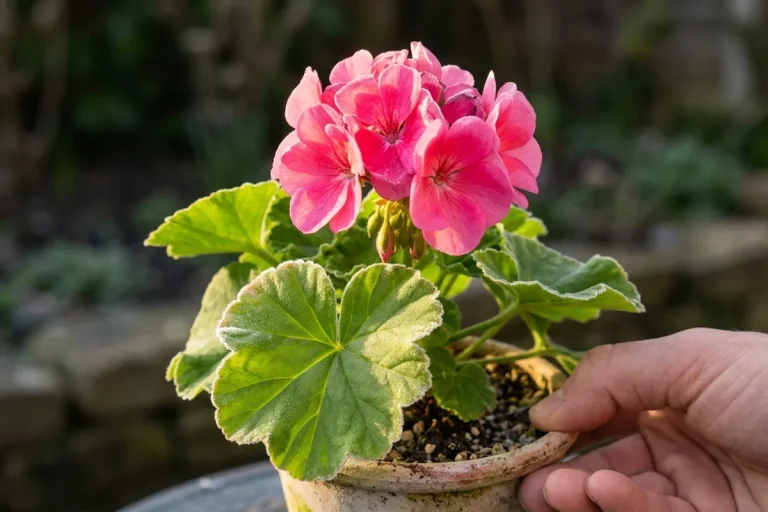
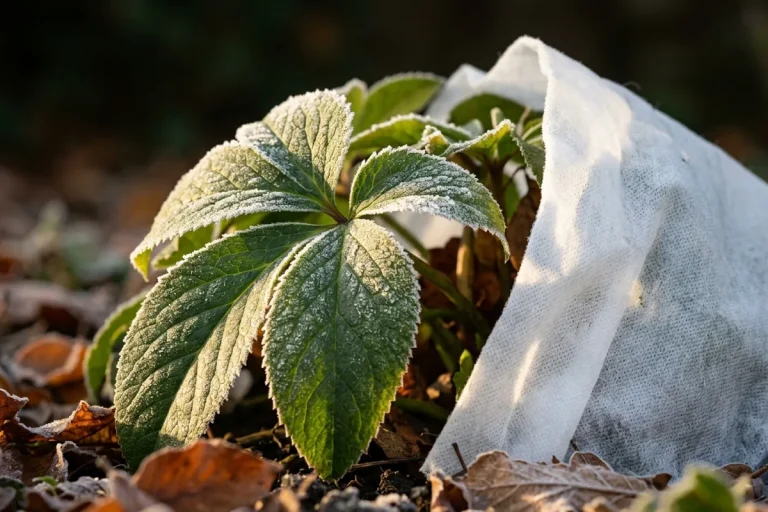
Indoors, you can start sweet peas in pots in a cool, bright spot, and sow geraniums (pelargoniums) and begonias with gentle heat. Outside, plant potted hellebores and winter pansies whenever the ground isn’t frozen.
February – a gentle start
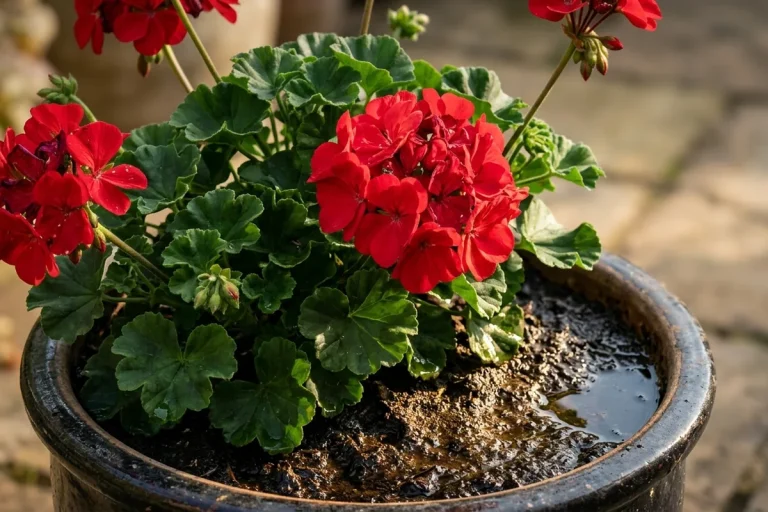
Sow hardy annuals under cover: cornflowers, larkspur, calendula, nigella. Plant snowdrops in the green as they finish flowering. If you lift the pot and it still feels heavy, wait before watering – cold, wet compost is a common killer now.
March – main seed‑sowing begins
Outdoors, sow hardy annuals in prepared ground: cornflowers, poppies, calendula, nigella, eschscholzia. Indoors or in a greenhouse, start half‑hardy annuals such as cosmos, zinnias, marigolds, nicotiana in trays.
April – bulbs and bedding
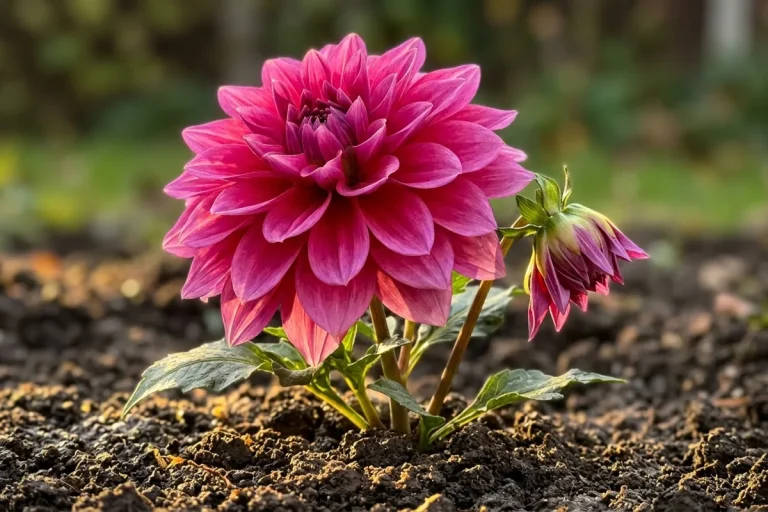
Plant summer‑flowering bulbs: dahlias (in pots or under cover), lilies, gladioli, acidanthera. Direct sow more hardy annuals to fill gaps. Patio pots can take pansies, violas and primroses for instant colour.
May – after last frost
This is when many people rush. Wait until frost has genuinely passed in your area before planting out cosmos, petunias, marigolds, busy Lizzies, lobelia. Plant out dahlias and tender salvias. Fill hanging baskets with trailing petunias, verbena, bacopa.
June – plug plants and gaps
Ideal for quick‑growing annuals: cosmos, nasturtiums, sunflowers. Tuck small bedding plants into any bare soil. A quick finger check tells you more than the surface of the compost – water deeply when the top few centimetres are dry.
July – heat lovers
Sow a last round of fast annuals like calendula and nasturtiums for late colour. Plant agapanthus, hardy fuchsias and penstemons in borders or large pots, watering well in dry spells.
August – think ahead
Plant autumn containers with heathers, ornamental grasses, violas. Order spring bulbs. You can still plant perennials such as echinacea, rudbeckia, asters while the soil is warm.
September – bulb time
Plant most spring bulbs: daffodils, crocus, hyacinths, grape hyacinths. In borders, add hardy chrysanthemums and asters for late flowers.
October – tulips and structure
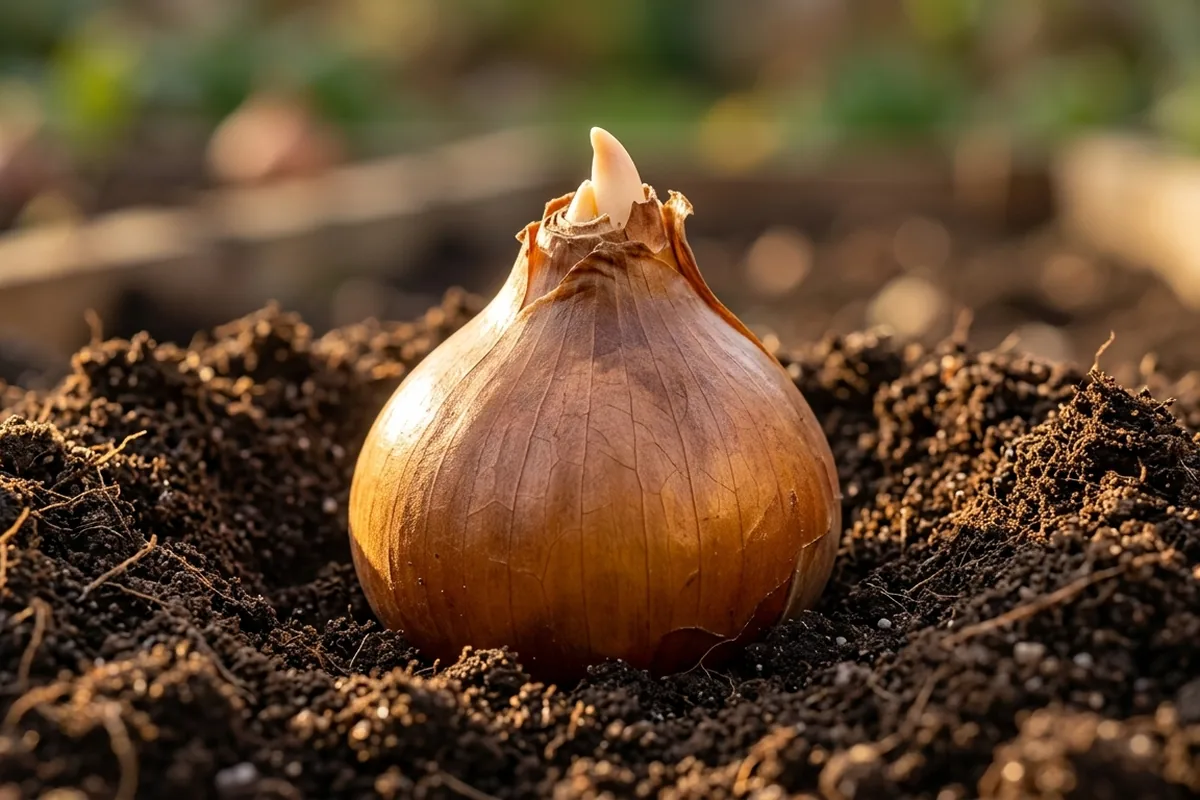
Plant tulips now the soil is cooler. Add winter pansies, violas and cyclamen to pots. Check bulbs sit about two to three times their own depth; a bulb too close to the surface often dries out.
November – calm but not done
You can still plant tulips and potted shrubs or roses for future flowers. Winter bedding can go in on milder days, especially in sheltered city gardens.
December – small indoor starts
Sow a few chillies or early sweet peas in a cool, bright room if you like a head start. Outside, leave the soil alone if it’s frozen or sodden; this is the point where many people over‑work wet beds and create compaction.
Simple checks that keep things alive
- Check the soil, not the calendar: if borders are waterlogged or frozen, delay planting.
- Watch pots on patios and balconies: they dry faster than borders in a dry, windy spell.
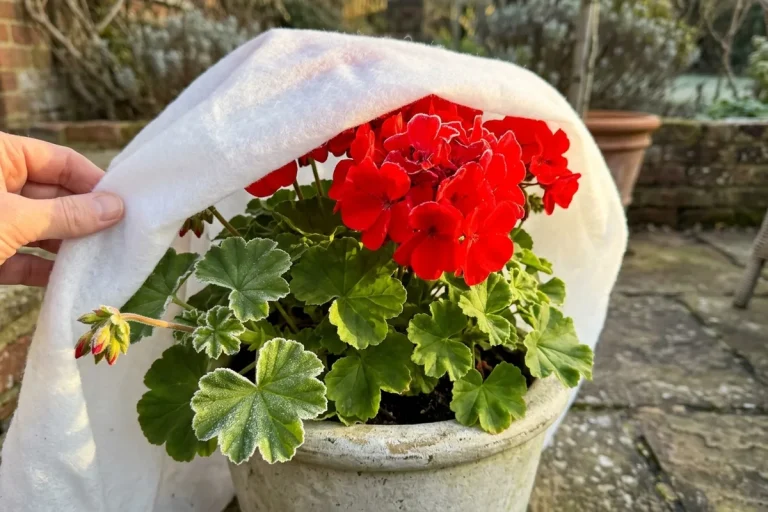
- Mind late frosts: keep tender bedding and half‑hardy annuals under cover until nights are reliably mild.
- Space plants properly: crowded bedding stays damp and diseases spread more easily.
- Label and note: a small label with month and variety helps you repeat what worked.
Putting the calendar to use
You do not need to follow every month perfectly. Choose one or two things that suit your space – perhaps hardy annuals in March and bulbs in September – and build from there. A simple note in your mobile calendar for “bulbs in September” or “half‑hardy annuals indoors in April” is often all it takes to keep colour rolling through the year.
Reader note
The Flower Expert is an independent gardening publication. Your support helps us keep creating practical plant care guides for everyday UK readers.
This article was created with the assistance of AI and reviewed by an editor. It is intended as general gardening information, not personalised professional advice.
If you still have a question, or if something looks unclear or inaccurate, you can contact us through our contact form.
If you found this article helpful, please consider sharing it on social media or leaving a comment below with your own experience. It helps other readers too.