
A more sustainable garden usually starts with what you already have: old pots, broken slabs, leftover timber, even a cracked washing-up bowl. If you’re looking at a slightly tired patio or a corner full of “useful one day” bits, this is exactly the moment to turn them into something greener and more beautiful.
Simple recycled ideas that actually work
Begin by choosing one small area – a balcony corner, a step by the back door, or a bare patch by the shed – and work just there. It keeps the project realistic and uses fewer new materials.
Some easy wins:
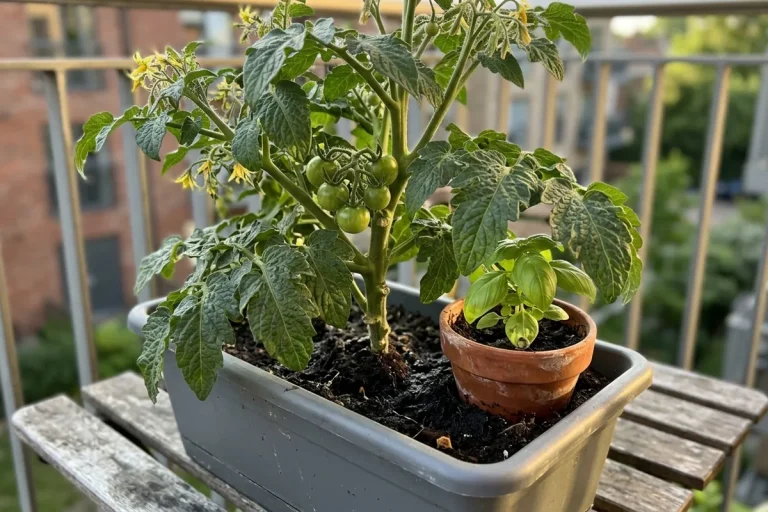
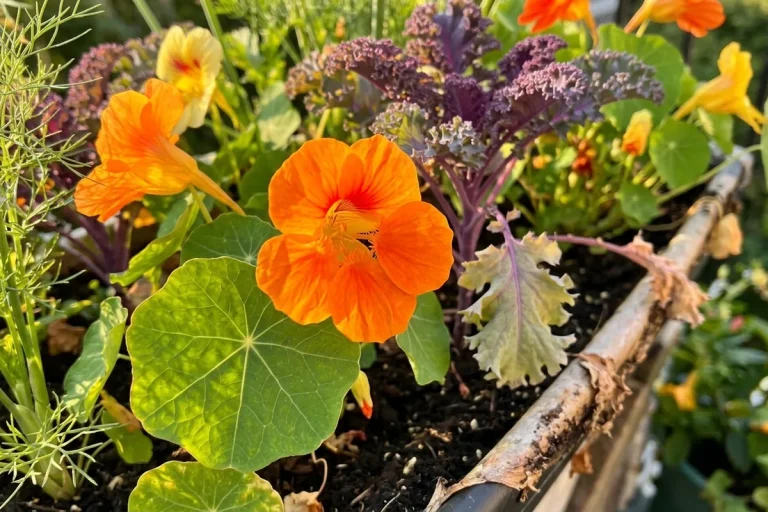
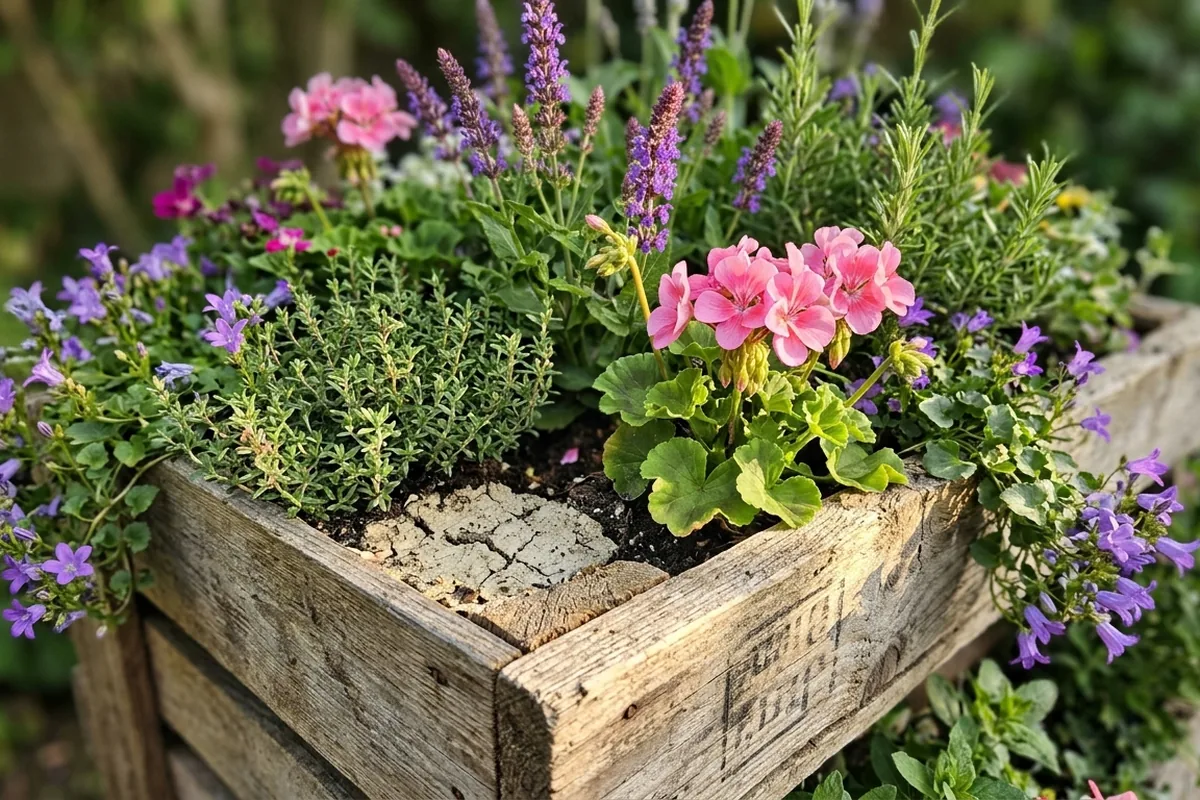
- Reused containers: Buckets, tins, wooden crates and old ceramic bowls can all be turned into planters. Drill drainage holes, add a layer of crocks or broken pot at the base, then peat‑free compost. If the container feels oddly heavy after watering, check there’s a way for excess water to escape.
- Broken pots as assets: Use broken terracotta pieces as mulch around herbs or alpines in a sunny spot. They help keep compost from splashing, warm up in the sun and give a Mediterranean feel.
- Pallet planters: A single pallet can become a vertical herb garden. Sand any rough edges, line the back with hessian or an old compost sack (pierced for drainage), then fill pockets with compost and plant trailing thyme, strawberries or hardy violas.
- Home-made plant supports: Old bamboo canes, pruned branches, even an abandoned clothes airer can support sweet peas, beans or tall perennials. Tie with natural twine rather than plastic ties so it all breaks down more easily later.
Using natural materials to shape the space
Natural, locally available materials usually sit more quietly in a UK garden and age well outdoors.
- Log or branch edging: Short sections of pruned branches pushed into the soil make gentle edging for a bed or path. They slowly rot down, feeding the soil as they go.
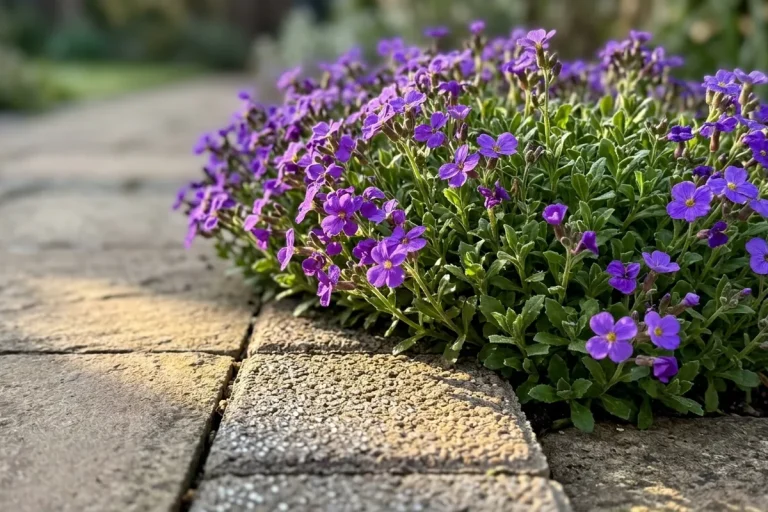
- Stone and rubble paths: A mix of leftover slabs, bricks and stones can form an informal path. Lay them on a compacted layer of sharp sand, leaving gaps for thyme, chamomile or low creeping plants to knit between.
- Mulch from your own garden: Shredded prunings, fallen leaves and grass clippings (in thin layers) all make useful mulch. Spread around shrubs and perennials to lock in moisture and reduce weeding. If the mulch is touching stems and they start to look damp or mouldy, pull it back a little.
- Mini wildlife corners: A simple pile of logs, hollow stems and stones in a quiet corner gives shelter to insects and small creatures, which in turn support healthier flowers and fewer pests.
Keeping it low-waste and low-effort
The most sustainable gardens are the ones you can keep going without feeling overwhelmed.
Use what’s already on site before buying anything new. Check the shed for half‑used bags of gravel, spare pots or old wire. Many people rush to the garden centre, then find they had most of what they needed all along.
Aim for fewer, better containers rather than dozens that dry out too fast. A larger recycled tub on a patio will usually hold moisture better than several tiny pots, especially in a dry summer spell.
When you do buy, look for peat‑free compost, FSC‑certified timber and long‑lasting tools. If you’re unsure, a quick chat at your local garden centre or a look at RHS advice online can help you choose.
Start with one recycled planter, one natural mulch, or one small wildlife corner. Once you see that work, it’s much easier to build a garden that feels gentler on the planet and calmer to live with.
Reader note
The Flower Expert is an independent gardening publication. Your support helps us keep creating practical plant care guides for everyday UK readers.
This article was created with the assistance of AI and reviewed by an editor. It is intended as general gardening information, not personalised professional advice.
If you still have a question, or if something looks unclear or inaccurate, you can contact us through our contact form.
If you found this article helpful, please consider sharing it on social media or leaving a comment below with your own experience. It helps other readers too.