
A calm, minimalist garden starts with taking things away as much as adding them. If your outdoor space currently feels busy, with pots in every corner and too many different plants, the aim is to create a layout where your eye can rest and you can breathe out the moment you step outside.
Simple structure: the backbone of a calm garden
Minimalist gardens rely on clear lines and simple shapes. Before you buy anything new, stand outside and look at what you already have: fences, paths, a shed, a balcony rail, a single tree. These are your anchors.
Focus on:
- One clear route through the space, even if it’s just a stepping-stone path across a small lawn or gravel.
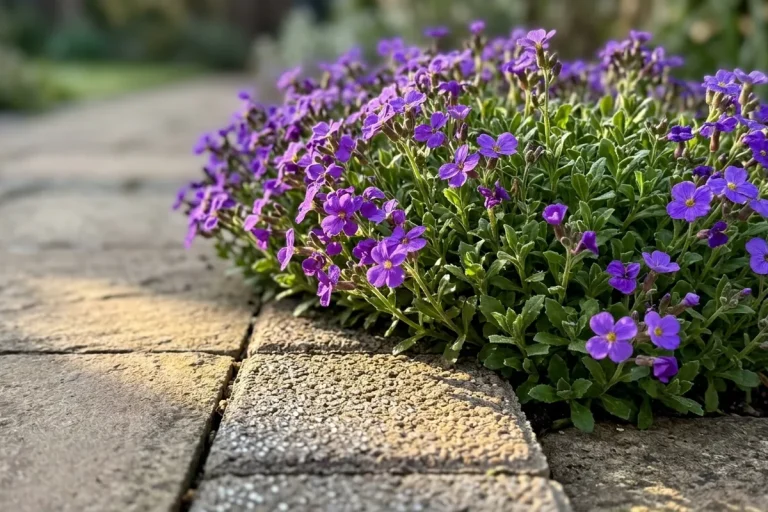
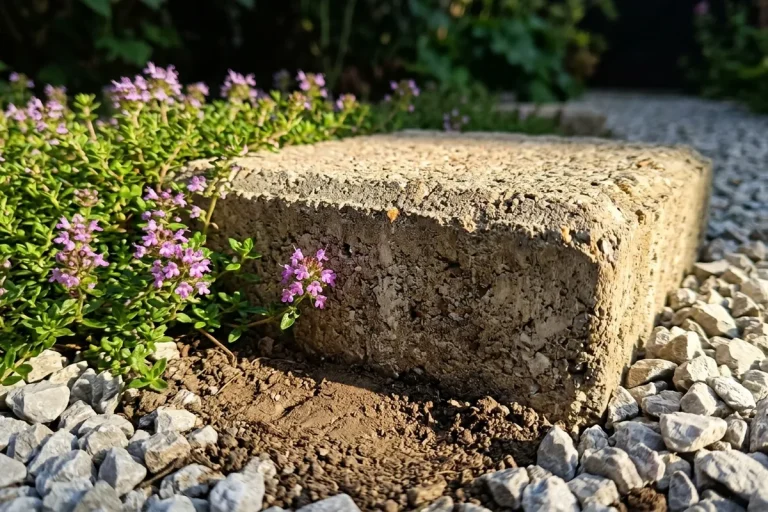
- Defined edges: straight borders, a neat curve, or a single rectangle of planting look calmer than wobbly, irregular outlines.
- Fewer, larger features: one generous bench, a single water bowl, or a wide pot is more restful than lots of little ornaments.
If you have a patio full of mismatched containers, group them into one or two clusters and remove the rest. A single strong group of pots by the back door often feels more intentional than ten scattered around.
Planting the minimalist way
Minimalist does not mean bare. It means controlled variety. The useful clue is not one plant, but the pattern across the whole space.
Choose:
- A limited palette: perhaps greens and whites, or greens with soft purples. This keeps the space calm even when plants are in full flower.
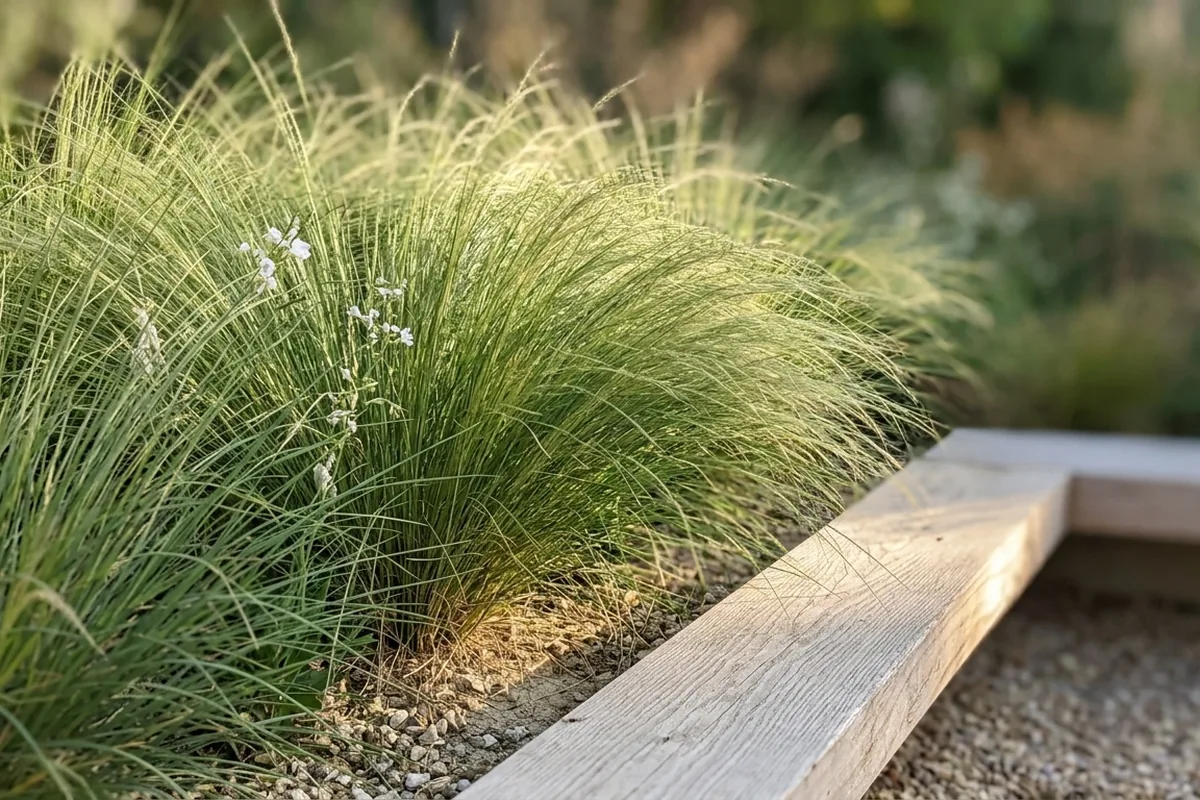
- Repeating plants: the same grass or lavender repeated along a border instantly looks organised.
- Good foliage first, flowers second: evergreen shrubs, clipped box balls, pittosporum, ferns or ornamental grasses give structure all year, with flowers woven in more sparingly.
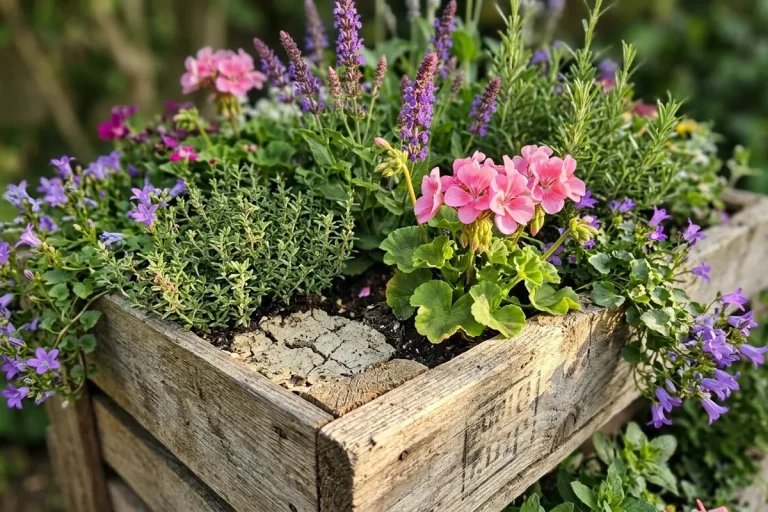
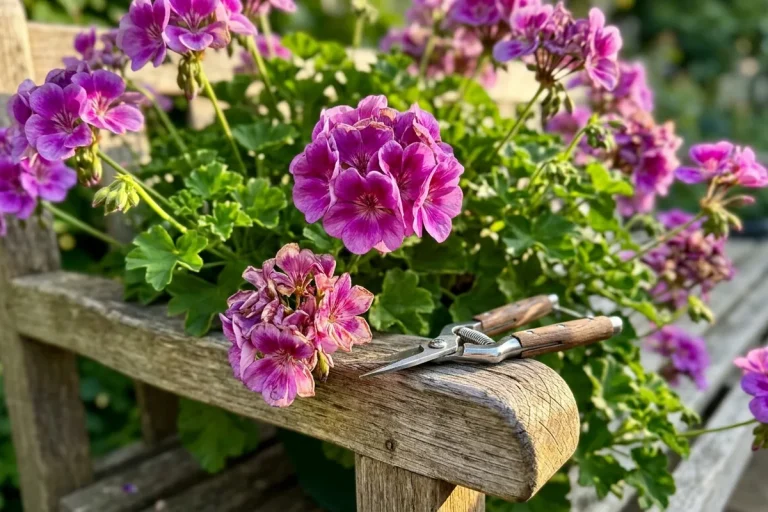
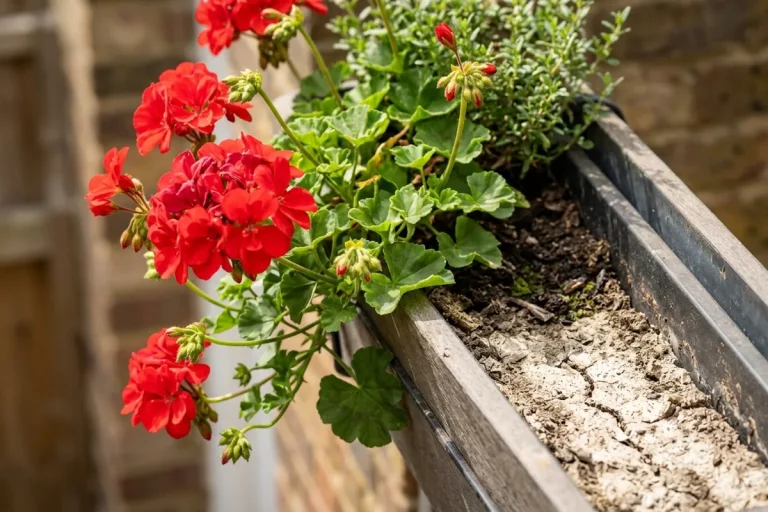
For small spaces or balconies, three medium-sized pots each planted with one type of plant (for example, all white geraniums, or all rosemary) usually feels calmer than mixed “pick and mix” containers. If a pot looks fussy, remove one or two plant types and let the strongest one dominate.
Surfaces, colour and quiet details
Hard landscaping does a lot of the visual work in minimalist gardens. Neutral surfaces – pale gravel, grey paving, simple decking – allow the plants to stand out without shouting.
Keep to one or two materials where you can. A patio that mixes old bricks, concrete slabs and coloured gravel will always look busier than it needs to. If replacing everything is not realistic, choose the surface you like best and quietly let that become the main one over time.
Colour-wise, think of:
- One main accent (perhaps terracotta pots or black metal) repeated.
- Cushions, lanterns and furniture in similar tones so nothing fights for attention.
- Warm, soft lighting rather than bright spots – a single solar lantern or a short string of lights along a fence is often enough.
Before you add anything new, ask: “Does this earn its place?” If you lift a pot and the area instantly feels more open, that’s your answer.
A minimalist garden is never “finished”, but it is simpler to live with. Tidy edges, repeated plants and a restrained colour palette mean less visual noise and fewer decisions every time you step outside. Start with one corner, remove what you don’t need, and build a calm space from there.
Reader note
The Flower Expert is an independent gardening publication. Your support helps us keep creating practical plant care guides for everyday UK readers.
This article was created with the assistance of AI and reviewed by an editor. It is intended as general gardening information, not personalised professional advice.
If you still have a question, or if something looks unclear or inaccurate, you can contact us through our contact form.
If you found this article helpful, please consider sharing it on social media or leaving a comment below with your own experience. It helps other readers too.