
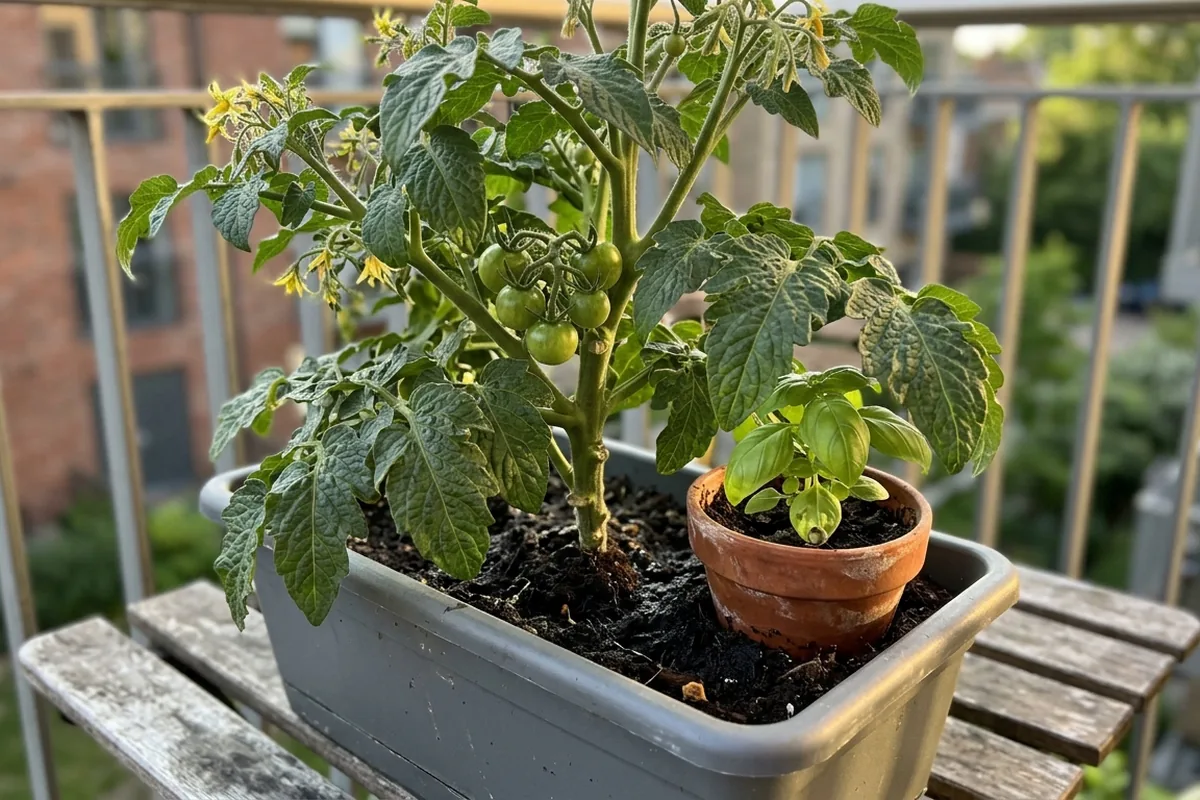
When you’ve only got a tiny patio table or a narrow balcony ledge, growing veg can feel impossible. Pots on the floor get in the way, and anything big is awkward to water. Tabletop gardening solves this neatly: veg at arm’s reach, less bending, and easier slug control.
If your outdoor space is mostly table, folding chairs and a few rails, this is exactly the set-up these ideas are for.
Simple tabletop veg set-ups that actually work
The trick is to keep it shallow, light and easy to move. You’re aiming for quick crops with small roots, not full-size cabbages.
Good tabletop containers include:
- Seed trays or cat-litter trays with holes added for drainage – ideal for cut-and-come-again salads.
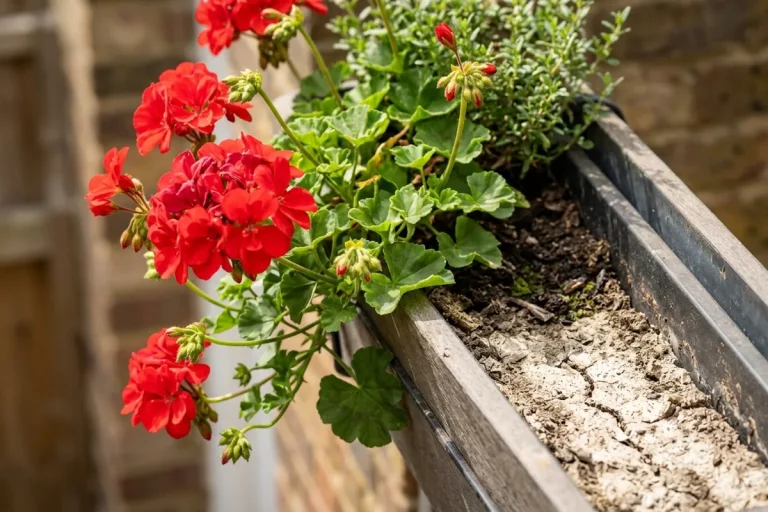
- Window boxes laid along the centre of a table.
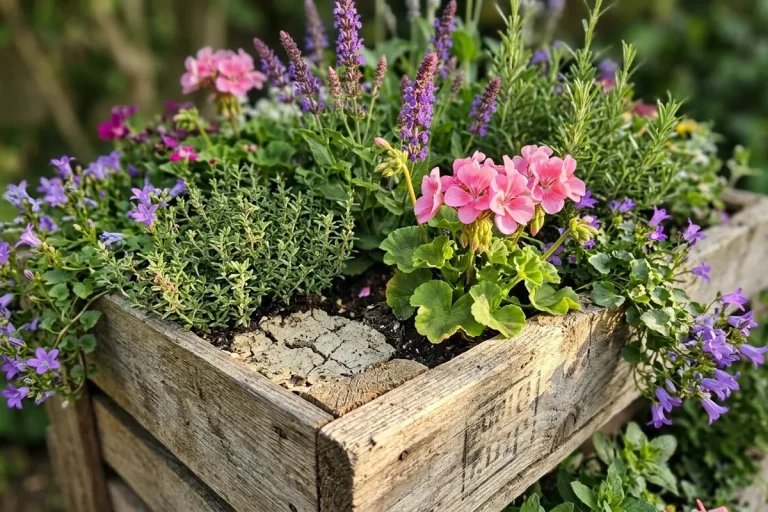
- Shallow wooden crates lined with compost bags (pierce plenty of drainage holes).
- Stacked pots in a tray, so you can turn the whole group to follow the light.
Fill with a multi-purpose compost mixed with about a third peat-free soil improver or garden compost if you have it. This helps hold moisture without becoming heavy and waterlogged.
Choose veg that stay compact and are happy in 10–20 cm of compost:
- Salad leaves and rocket
- Radishes
- Baby beetroot (for leaves and small roots)
- Spring onions
- Dwarf French beans in individual pots
- Herbs such as chives, parsley, coriander and thyme
If you lift a tray and it feels unexpectedly heavy, wait before watering again. Tabletop containers can look dry on top but be quite damp just below the surface.
Making the most of light, shade and height
Patios and balconies often have good light but awkward angles. The aim is to keep leaves in bright conditions while protecting roots from baking.
- On a sunny balcony, place trays towards the back of the table and give them a bit of shade at the hottest part of the day – a parasol, a small crate or even another pot can cast just enough shadow.
- On a shaded patio, go for leafy crops that tolerate lower light: mixed salads, spinach, chard, mint and parsley usually cope well.
- Avoid pots pressed against a hot brick wall; compost dries out faster and roots overheat.
Use height to your advantage. A simple wooden crate or upturned pot can raise a tray closer to the light on a gloomy balcony. Just make sure it’s steady – if a pot wobbles when you nudge the table, adjust before it topples in a breeze.
A few creative ideas to squeeze in more veg
Once you have the basics, you can layer in some more playful touches:
- Centrepiece salad trough: A long, low planter down the middle of the table, sown thickly with mixed salad. Snip leaves as you eat outside; re-sow a strip every couple of weeks in spring and early summer.
- Bean and pea wigwams in pots: Three dwarf French beans or mangetout peas in a medium pot with short canes tied at the top. Stand one pot at each table corner for a soft green frame.
- Rail-hung herb pots: On balconies with railings, hang two or three small herb pots at elbow height. Keep the table surface for trays and shallow crops.
- Microgreen trays indoors, harden off outside: Start trays of microgreens on a bright windowsill, then move them to the tabletop on mild days. They’re ready to cut in 2–3 weeks and don’t need deep compost.
- Succession sowing corner: Keep one small tray or pot free. As soon as you pull a row of radishes or finish a salad tray, re-sow this “spare” so something new is always on the way.
Feed lightly with a liquid vegetable fertiliser every couple of weeks once plants are growing strongly, following the label. On a small table, overfeeding can scorch leaves, so err on the weaker side.
Before you buy anything new, look at the table or balcony you already have and plan one shallow tray and one pot you can start this weekend. Once those are growing well, it’s much easier to see where the next little crop can fit.
Reader note
The Flower Expert is an independent gardening publication. Your support helps us keep creating practical plant care guides for everyday UK readers.
This article was created with the assistance of AI and reviewed by an editor. It is intended as general gardening information, not personalised professional advice.
If you still have a question, or if something looks unclear or inaccurate, you can contact us through our contact form.
If you found this article helpful, please consider sharing it on social media or leaving a comment below with your own experience. It helps other readers too.