
Early spring can feel uncertain: bulbs are just showing, borders look flat, and the weather can’t decide what it’s doing. This in‑between time is when the most useful work happens. If you sort the basics now, plants respond quickly once the warmth arrives.
The key jobs to tackle first
Focus on jobs that set roots, soil and structure up before growth really starts. In early spring, aim to:
- Clear and tidy
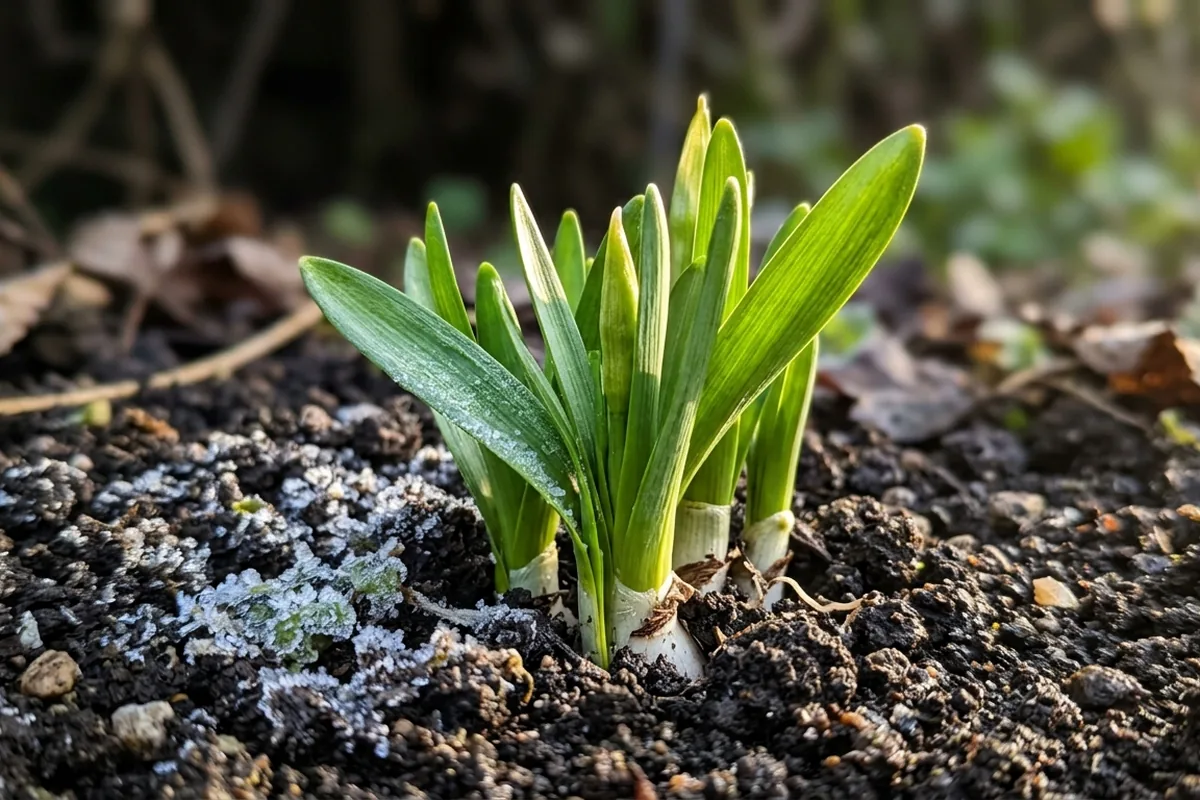
Remove dead stems, old annuals and soggy leaves from borders and pots. Lift aside any piles of wet leaves that are sitting against stems – they can harbour slugs and grey mould. If you uncover new shoots, just tuck a little compost or mulch around them for protection.
- Weed while it’s easy
Cool, damp soil means weeds pull out with their roots. This is the moment to gently lever out dandelions and creeping buttercup before they get established. If the soil is sticking to your tools, it’s too wet – wait a day or two.
- Feed and mulch
Sprinkle a balanced slow‑release fertiliser around roses, shrubs and perennials, then add a 3–5 cm layer of garden compost or well‑rotted manure. Keep mulch a small gap away from woody stems so they don’t sit damp. A quick finger check in the border will tell you if the soil underneath is still cold and wet – mulching helps it warm more evenly.
- Check pots and drainage
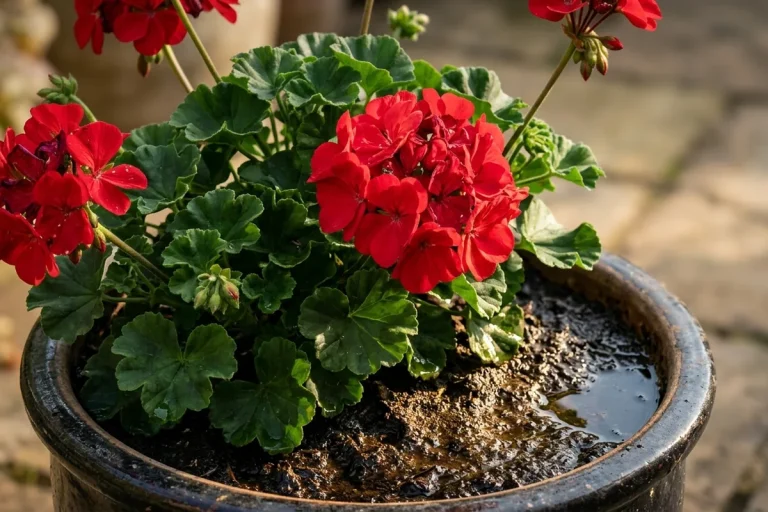
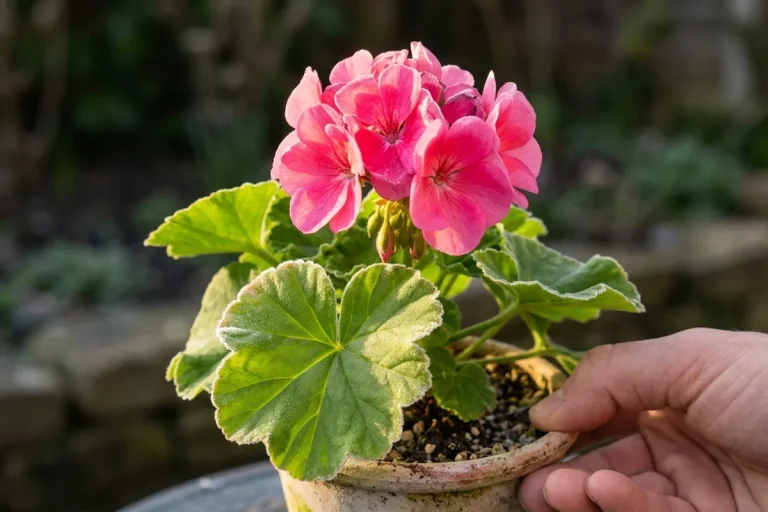
Look at patio containers, window boxes and hanging baskets. If a saucer is still holding water the next morning, empty it and raise the pot slightly on feet. Replace the top few centimetres of tired compost and add slow‑release feed.
This is the point where many people rush to plant summer bedding. Wait until the risk of frost has passed; use this time to prepare instead.
Preparing beds, borders and lawns
Once the worst of winter wet has passed and the soil is just crumbly on the surface:
- Lightly fork over compacted areas, especially where you’ve walked on beds all winter. Do not dig deeply around established perennials – just loosen the top layer and work in compost.
- Edge lawns neatly with a half‑moon edger or a sharp spade. A clean edge instantly makes a flat, wintry border look intentional.
- Rake out dead grass and moss from the lawn on a dry day. If the lawn squelches when you walk on it, leave it; working wet turf does more harm than good.
- Check any new hedges or trees planted in autumn. Firm gently around the base where winter frost has lifted soil, and straighten any leaning stakes after wind.
If the compost in beds looks dry on top but feels cool and damp a few centimetres down, do not rush to water – spring rain usually catches up.
Sowing, planting and protecting before the warm spell
Use this cooler spell to get ahead without gambling tender plants:
- Sow hardy seeds such as sweet peas, larkspur, cornflowers and hardy veg (broad beans, peas, spinach). Start them in modules or trays in a cold greenhouse, porch or bright windowsill that isn’t directly above a radiator.
- Plant summer‑flowering bulbs like lilies, gladioli and crocosmia once the soil is workable. If a bulb sits too close to the surface, add a little extra compost over the top – they prefer a decent depth in our stop‑start springs.
- Divide overcrowded perennials – hostas, daylilies, hardy geraniums – while new growth is just emerging. Replant divisions straight away and water once, then let spring rain do the rest.
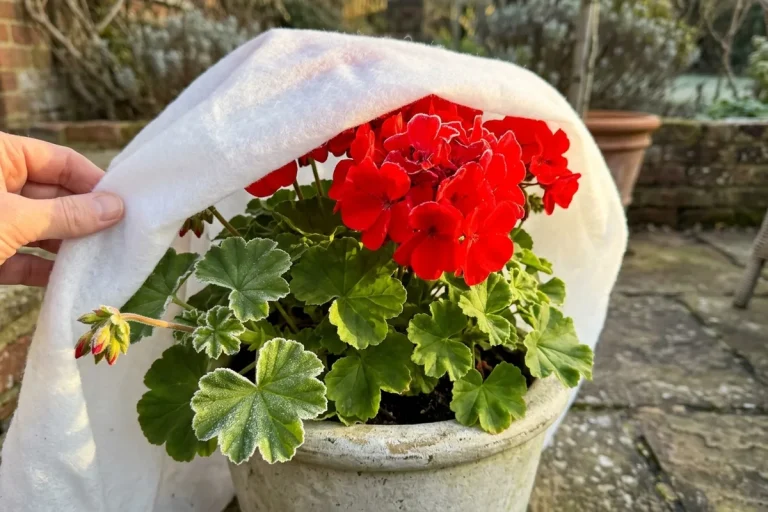
- Check protection for half‑hardy plants. Fleece over early potatoes, wallflowers or young dahlias if a late frost is forecast. A bright but cold UK windowsill can still nip tender seedlings, so pull them back from the glass at night.
If the leaves on anything newly planted look worse after every “fix”, stop changing several things at once. Check one basic: is the soil soggy, dry, or just cool? Adjust that first and give the plant a week.
A couple of focused afternoons now – clearing, feeding, mulching and simple sowing – will mean far less firefighting once the weather suddenly turns warm and everything takes off at once. Choose one area, tackle those basics, and your garden will be ready to respond the moment spring finally commits.
Reader note
The Flower Expert is an independent gardening publication. Your support helps us keep creating practical plant care guides for everyday UK readers.
This article was created with the assistance of AI and reviewed by an editor. It is intended as general gardening information, not personalised professional advice.
If you still have a question, or if something looks unclear or inaccurate, you can contact us through our contact form.
If you found this article helpful, please consider sharing it on social media or leaving a comment below with your own experience. It helps other readers too.