
The last few seasons have swung from soggy springs to scorching weeks and back to gales again. If your border looks flattened after every storm, or patio pots give up after one dry spell, it’s time to lean on plants that cope better with the chaos.
If the soil is cracked one week and waterlogged the next, climate-resilient plants will bend, regrow and flower on through, rather than sulking or rotting off.
Reliable plants that cope with wild UK weather
These are good, tough choices for most UK gardens and balconies. They won’t ignore the weather entirely, but they usually recover fast and keep looking decent.
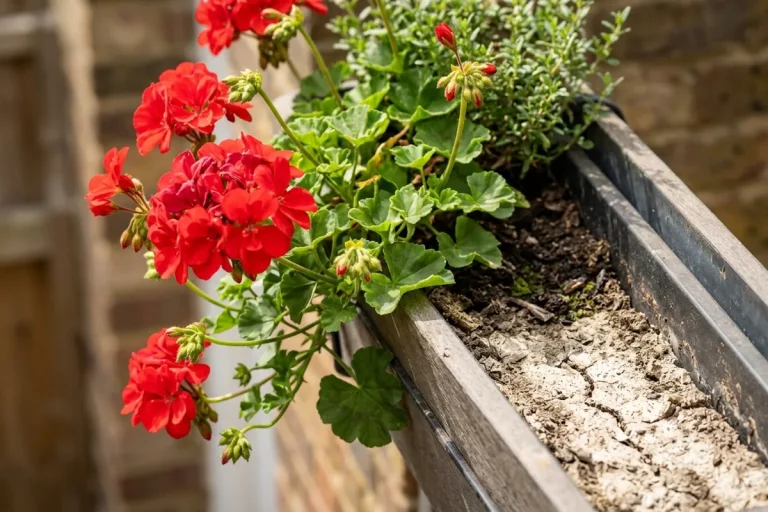
- Hardy geraniums (cranesbills)
Low, spreading, and very forgiving. They handle wet winters, brief drought, and being blown about. Great under roses or in wilder borders.
- Sedum / Hylotelephium (ice plants)
Fleshy leaves store water, so they shrug off dry spells and thin, stony soil. Too much winter wet is the main thing to avoid – good drainage is key.
- Achillea (yarrow)
Flat flower heads, loved by pollinators. Stands up to wind, sun and poor soil, and often keeps going in dry summers when fussier perennials fade.
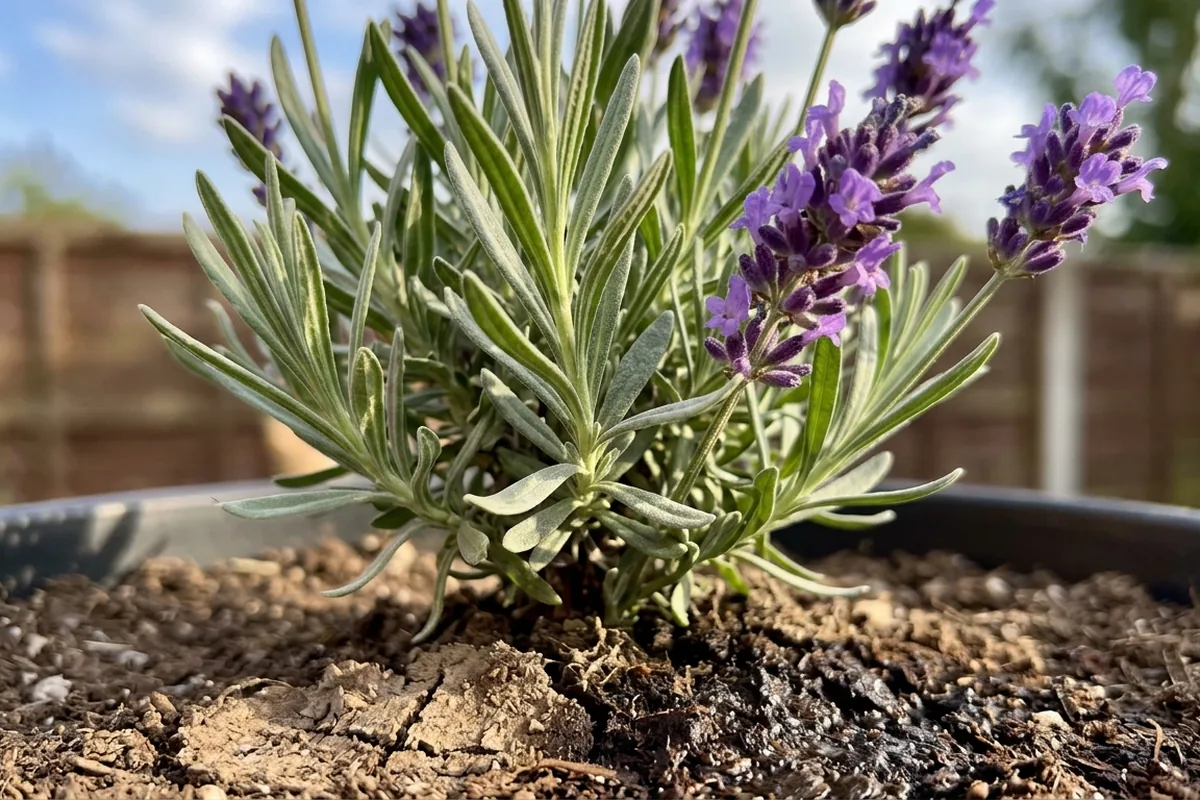
- Lavender and rosemary
Sun-lovers that prefer to dry out between rainstorms. They dislike heavy, waterlogged clay, so raise them in a pot or a gritty bed if your soil holds water.
- Cornus (dogwood) and willow
For wetter spots that flood or stay damp, these shrubs tolerate soggy winters and bouncing back after cutting hard. Their stems bring winter colour when everything else looks tired.
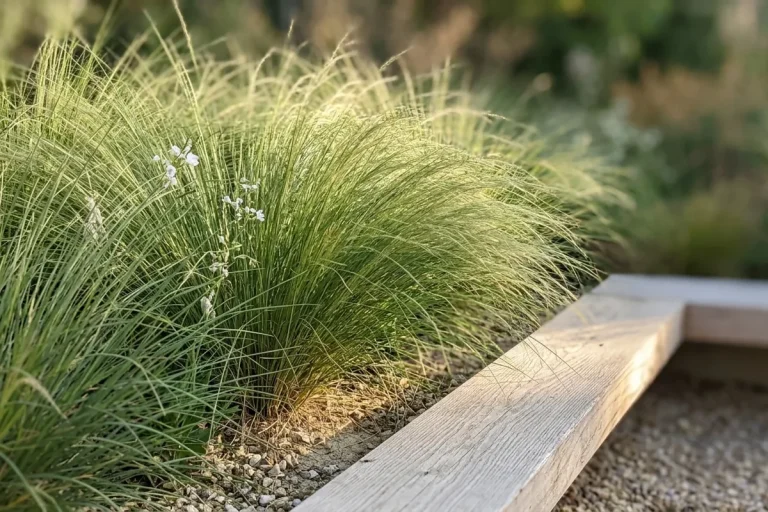
- Grasses such as Calamagrostis, Miscanthus and Stipa
Flexible stems move with wind rather than snapping. Good in exposed gardens and coastal spots, and they cope well with both rain and short droughts once established.
If you lift a pot after heavy rain and it still feels heavy days later, choose plants from the wetter-soil group. If it’s light and dry by the next afternoon, favour drought-tolerant types.
How to plant for extremes, not averages
Climate resilience is not only the plant; it’s where and how you plant it.
- Improve structure, not just feed.
Adding garden compost or well-rotted manure helps clay drain and sand hold moisture. This makes nearly every plant more resilient.
- Prioritise roots.
Water new plants deeply in the first season so roots go down, not just sideways. A quick finger check into the soil tells you more than a dry-looking surface.
- Mix deep and shallow roots.
Combining shrubs, perennials and ground cover means they draw water from different levels, so the whole planting is steadier through swings in weather.
- Allow some movement.
Staking every tall stem tightly can make breakage worse in gales. Use looser ties or choose naturally sturdy varieties instead.
Pots, balconies and small spaces
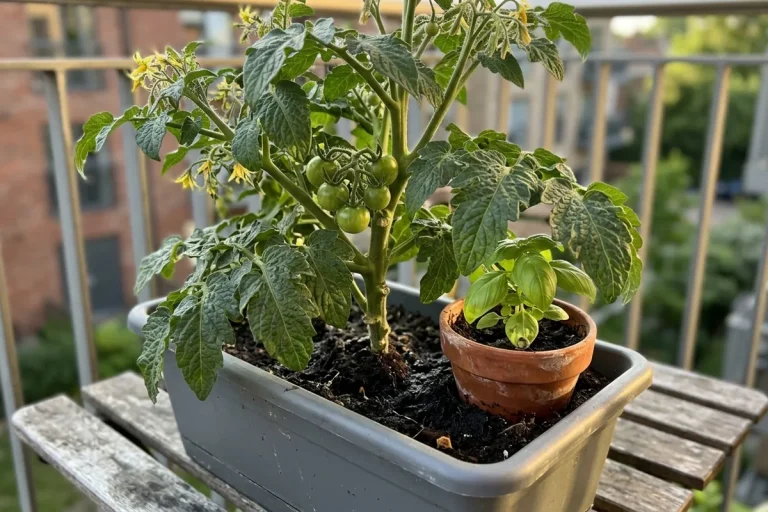
Containers suffer most in erratic weather: they dry fast in sun, then sit in puddles after a storm.
Choose chunky, forgiving plants such as:
- compact grasses
- hardy geraniums
- dwarf cornus
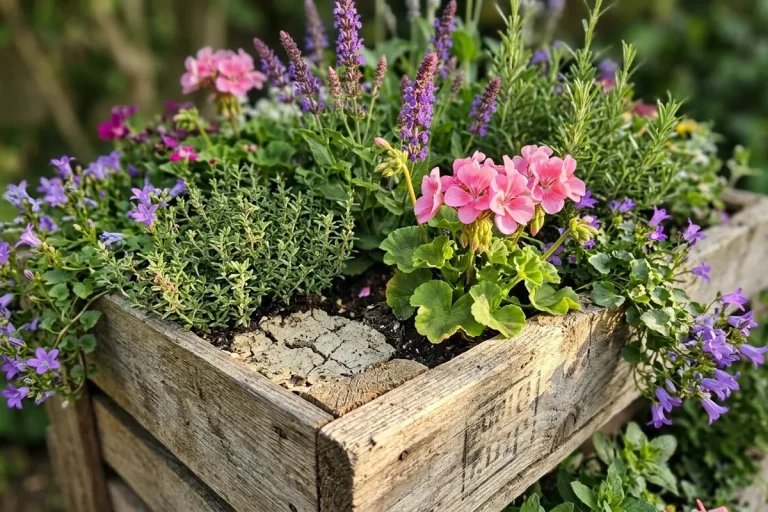
- small rosemary or lavender in gritty compost
Use a peat-free, loam-based compost for weight and water-holding, and add extra drainage holes if saucers are still full the next morning. Before you water again, lift the pot: if it still feels surprisingly heavy, wait.
A small adjustment now – tougher plants, better soil and kinder positioning – will leave your garden looking calmer and more alive, even when the forecast can’t make up its mind. Start with one bed or a couple of pots and build your climate-resilient corner from there.
Reader note
The Flower Expert is an independent gardening publication. Your support helps us keep creating practical plant care guides for everyday UK readers.
This article was created with the assistance of AI and reviewed by an editor. It is intended as general gardening information, not personalised professional advice.
If you still have a question, or if something looks unclear or inaccurate, you can contact us through our contact form.
If you found this article helpful, please consider sharing it on social media or leaving a comment below with your own experience. It helps other readers too.