
When borders look bare in winter and pots seem to vanish into the background, a few well–chosen evergreens make the whole garden feel cared for. If your beds are lively in June but flat and grey by February, it’s evergreen structure and foliage colour you’re missing.
Reliable evergreen plants that earn their space
These are the workhorses that keep things colourful and tidy for twelve months, not just in summer.
- Skimmia japonica – Compact, neat shrubs with glossy leaves, red berries (on female plants) and scented spring flowers. Ideal for shady front gardens and winter pots. If you have leaves but no berries, you may need a male and female plant.
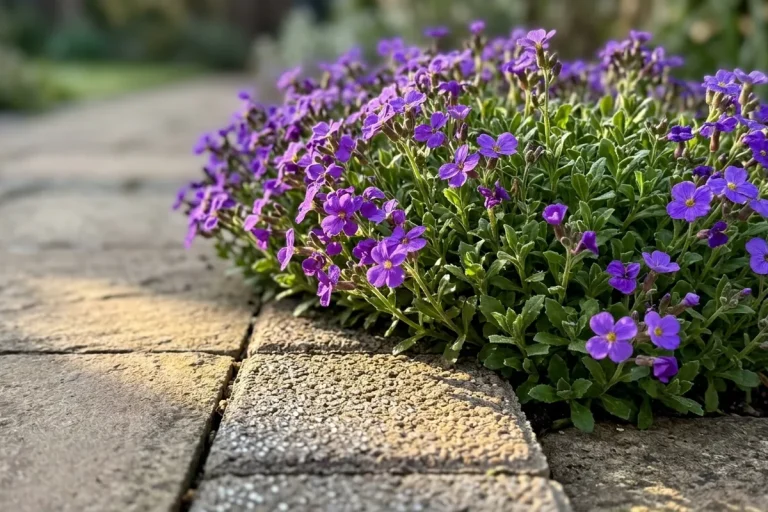
- Heuchera and Heucherella – Semi-evergreen in colder spots, but in most UK gardens they hold leaf all year. Choose foliage in rich plum, lime, marmalade orange or silver. Excellent for edging a path or brightening a dull patio pot.
- Euonymus fortunei – Small, tough shrubs with green and gold or green and white variegation. Good where you want a low, bright splash that doesn’t mind a bit of neglect. If a stem reverts to plain green, cut that stem right out.
- Pieris ‘Forest Flame’ – New growth in spring is bright red, fading to cream and green. Loves acidic soil and light shade. In a neutral or chalky garden, grow it in a pot with ericaceous compost.
- Evergreen ferns – Polystichum and Dryopteris types keep their fronds through winter, especially in sheltered, shady corners. If fronds look tatty after a hard frost, simply cut them back as new ones unfurl.
If you lift a pot of any of these and it still feels surprisingly heavy, wait to water; most evergreens dislike sitting in cold, wet compost.
Shrubs for structure and winter flowers
Once the backbone is in, you can tuck in seasonal colour around it.
- Sarcococca (sweet box) – Low, glossy evergreen with tiny, powerfully scented white flowers in midwinter. Perfect near a doorway or path where you’ll actually notice it on a cold day.
- Camellias – Shiny leaves and bold late winter to spring flowers in pink, red or white. They like acidic soil, morning light and shelter from harsh wind. Avoid strong early sun on frosty mornings, which can brown the buds.
- Choisya (Mexican orange blossom) – Rounded, bright green or golden foliage with white, orange-scented flowers in late spring, often again in autumn. A good choice if you want one shrub to fill a space and look cheerful year-round.
- Mahonia – Architectural, spiky foliage with yellow winter flowers followed by berries. Useful at the back of a shady border where little else performs.
Before you plant, check how tall and wide each shrub will be in 5–10 years; cramped evergreens quickly lose their neat shape.
Small spaces, pots and balconies
Evergreens are especially valuable where you only have a patio or balcony, as pots can look very empty in winter.
Good options include:
- Dwarf conifers – Slow-growing, tidy and available in blues, golds and fresh greens. Choose named dwarf varieties so they don’t outgrow the container.
- Herbs like rosemary and bay – Both are evergreen and useful in the kitchen. Give them sharp drainage and full sun; a saucer still holding water the next morning is a warning sign.
- Hebe – Compact, colourful foliage and summer flowers that attract pollinators. Many stay neat in pots for years if you trim lightly after flowering.
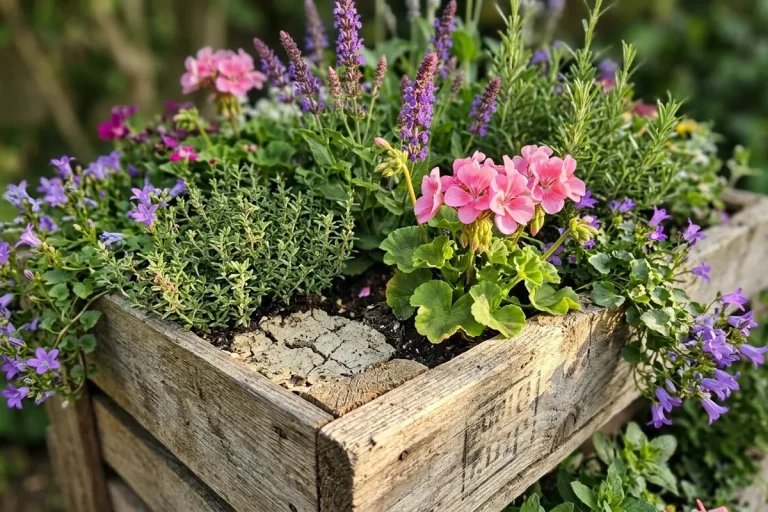
Mix these with seasonal bedding – violas, cyclamen, spring bulbs – so the evergreen framework is always there, but the colour shifts through the year.
Start by choosing one spot that looks bare in winter and add just one or two of these evergreens. Living with them for a season makes it much easier to see where you’d like the next splash of year-round colour.
Reader note
The Flower Expert is an independent gardening publication. Your support helps us keep creating practical plant care guides for everyday UK readers.
This article was created with the assistance of AI and reviewed by an editor. It is intended as general gardening information, not personalised professional advice.
If you still have a question, or if something looks unclear or inaccurate, you can contact us through our contact form.
If you found this article helpful, please consider sharing it on social media or leaving a comment below with your own experience. It helps other readers too.